
Drainage & Water Control in Southern Oregon (Runoff, Groundwater, and Where the Water Should Go)
Water problems rarely start “in the basement.” They start outside — at the roofline, the downspouts, and the ground right next to the home.
This page is meant to help you identify what kind of water problem you actually have (runoff vs groundwater vs plumbing), understand what a legitimate fix looks like, and avoid paying for the wrong system.
If you’d rather not guess, you can request a local evaluation below.
Request a Local Evaluation
Note: This website is a homeowner resource. The goal is to help you choose the right approach and avoid getting upsold into the wrong method.
Red Flags
- “French drain fixes everything” with no mention of runoff paths or discharge point
- No discussion of where water exits (daylight, storm line, dry well, etc.)
- Suggesting a drain without addressing downspouts first
- No plan for grading when surface water is clearly the cause
- Vague pricing with no scope: length, depth, rock, fabric, outlets, restoration
- Upselling big excavation before basic diagnosis
- Promising “it will never be wet again” (drainage is about risk reduction + control)
Drainage and Water Control (What a Quality Plan Usually Includes)
A real fix isn’t just installing a pipe — it’s controlling water from the roofline to the discharge without creating new problems.
A solid plan typically includes:
- Identifying the likely water source (runoff vs groundwater vs plumbing)
- Addressing roof runoff first (gutters, downspouts, extensions, buried line flow verification)
- A surface plan when appropriate (grading, swales, berms, hardscape pitch corrections)
- A subsurface plan, when appropriate (French drain, footing drain considerations, cleanouts)
- A clear discharge plan (daylight outlet, dry well sizing, storm connection where allowed)
- Realistic expectations: what improves immediately vs what changes after storms
If your downspouts are part of the issue: Downspout Drainage (Where the Water Should Go)
What a Legitimate Quote Should Include
Look for these scope details:
- Which problem areas are included (front corner only vs full perimeter)
- Linear footage, depth, materials (pipe type, fabric, rock type/size)
- Number of catch basins and cleanouts
- Discharge location + how it’s protected (pop-up, grate, emitter, daylight protection)
- Restoration scope (soil, sod/seed, gravel, hauling, protecting landscaping)
- Constraints and exclusions (utilities, access limitations, irrigation lines, hardscape)
A fair quote explains why that approach fits your water problem, not just what it costs.

Request a Local Evaluation
If you’d rather not guess, you can request a local evaluation below. A few photos (and one short note about when you see water) usually make the next step obvious.
No pressure: This is just to get you pointed in the right direction. If it’s a simple downspout fix, you’ll be informed of that as well.
Helpful photos: The problem area (wide shot), Downspout discharge area(s), Any pooling against the foundation, Slope/grade shot looking along the side of the home, Crawlspace / basement area if relevant (only if safe and easy)
After you submit: You’ll get a follow-up based on what you shared and what’s appropriate for your property. If you didn’t upload photos, you can send one later.
Typical next step: You’ll get a reply with what approach makes the most sense for your property and issue, plus what to watch out for when comparing quotes.
Recommended Reading (So You Don’t Get Upsold)


FAQs
-
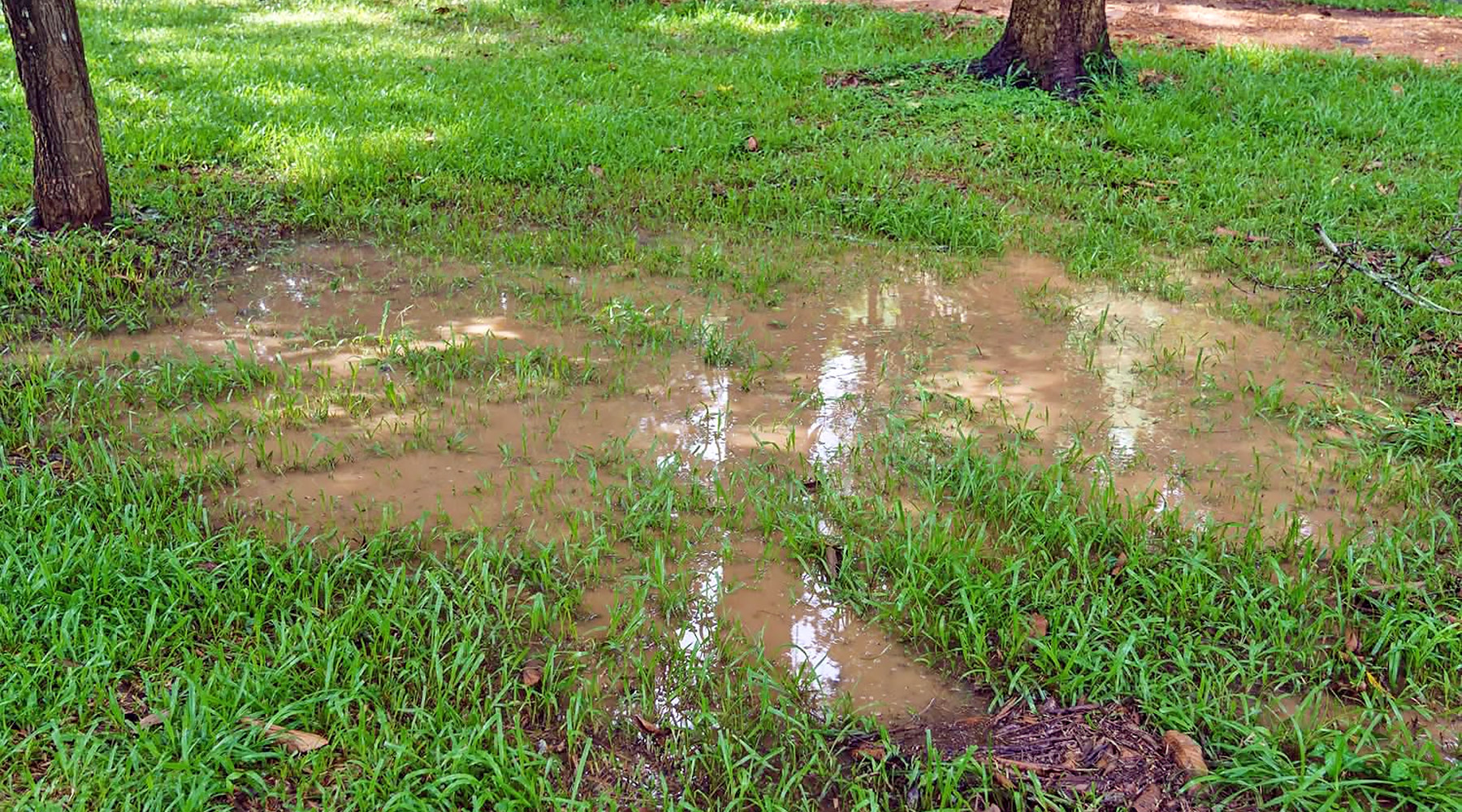
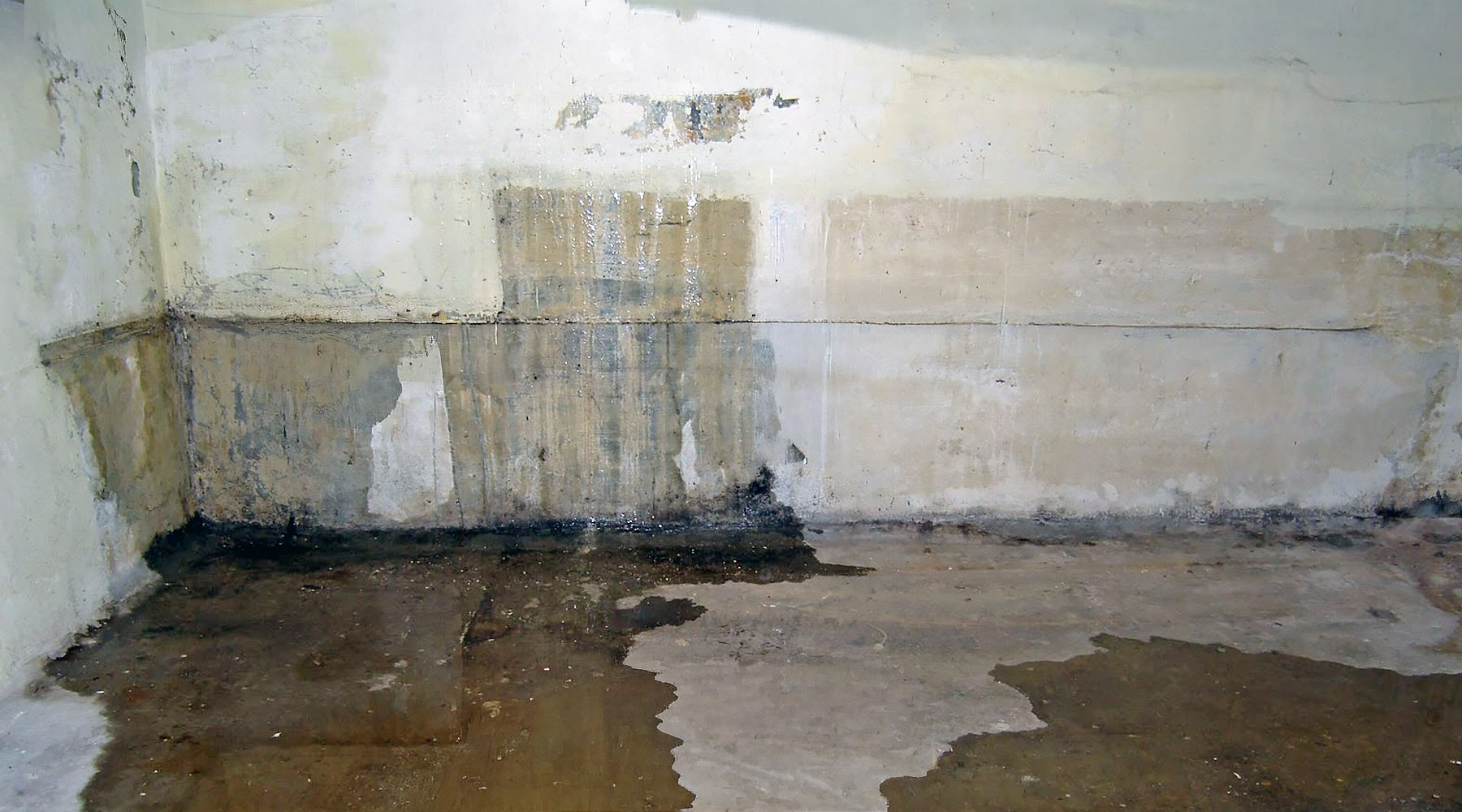
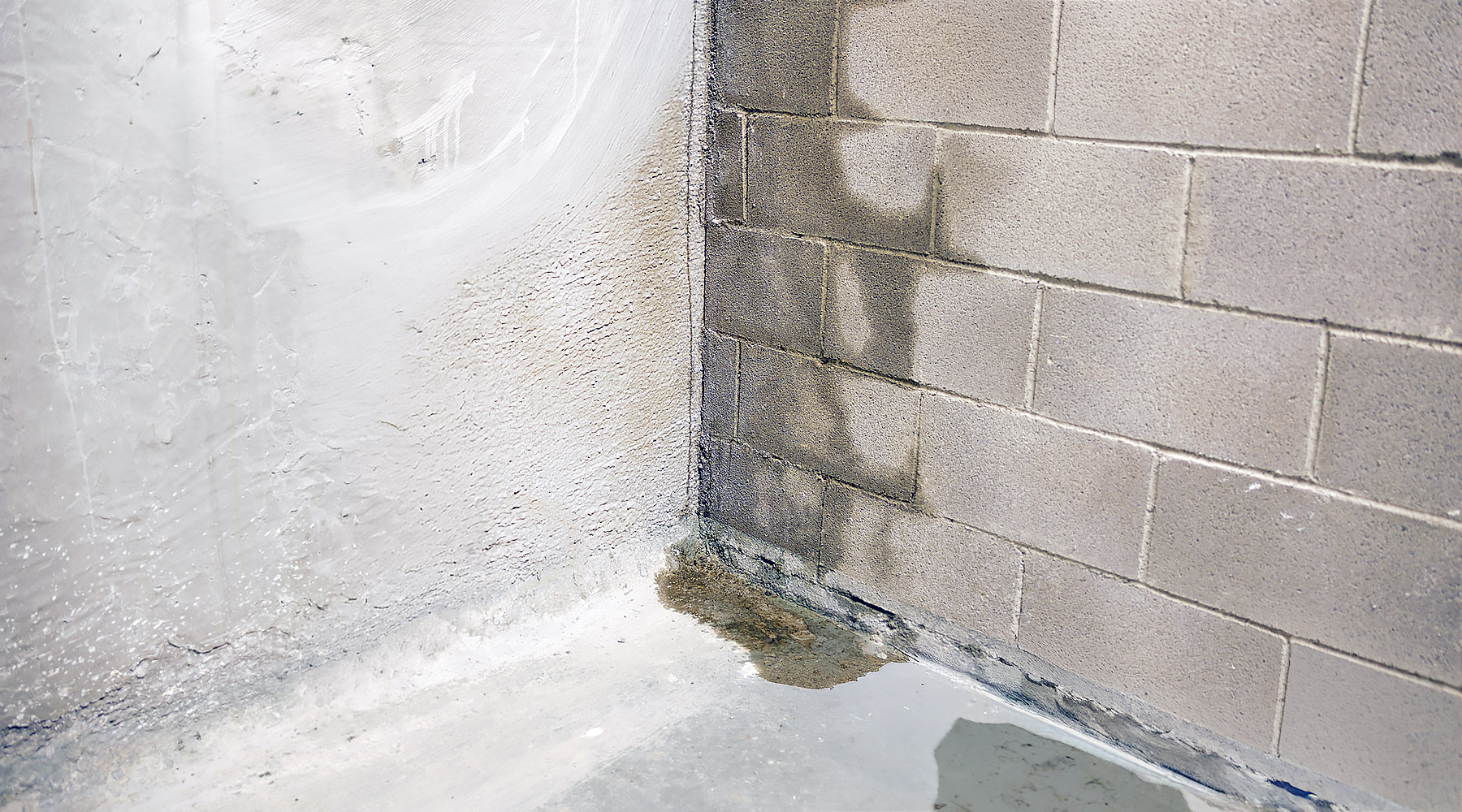
Runoff is surface water that shows up during storms and follows slope. Groundwater is subsurface moisture that can linger long after rain and often shows up as persistent dampness, seepage, or saturated soil near the foundation.
-
No. Many foundation water issues are solved by improving roof runoff control (gutters/downspouts) and fixing grade so water can’t sit against the home. French drains are useful when subsurface water is the real driver — and when there’s a clear discharge plan.
-
Yes — a surprising number of “drainage” issues are simply downspouts dumping too close to the house, clogged buried lines, or outlets that can’t discharge. Fixing roof runoff is often the cheapest high-impact step.
-
Not always. It can be grading, compacted soil, clay-heavy soil, blocked outlets, irrigation leaks, or groundwater. The key is when it happens and how long it lingers after storms.
-
Sometimes. They work best when the soil can infiltrate, and the well is sized correctly for roof runoff volume. They fail when soil can’t absorb water fast enough, when the well is undersized, or when the system can’t discharge during long wet stretches.
-
If water shows up during dry weather, appears in one consistent spot, or you notice a higher water bill, it’s worth ruling out plumbing or drain leaks before investing in drainage work.
Final Field Note
Most water problems don’t become expensive because water exists — they become expensive because water is concentrated in the wrong place for too long. The safest plan is simple: control roof runoff, confirm discharge, then use grading or drains only where they’re actually needed.