
Roof Moss(Causes, Risks, and What Actually Works)
Moss is common on Oregon roofs, but the “right fix” depends on your roof’s condition, how shaded it is, and how thick the growth has become. This topic hub helps you figure out whether what you’re seeing is mostly cosmetic, a real wear-and-tear risk, or something that needs attention sooner.
This hub helps you figure out what the moss means, what a roof-safe fix looks like, and which guide to follow—without getting pushed into the wrong method.
Need Local Help?
Note: Some linked articles are currently Southern Oregon-specific. As regional coverage expands statewide, we’ll add Oregon-wide versions where it makes sense.
Recommended Reading
If you only read a few things, start with these.
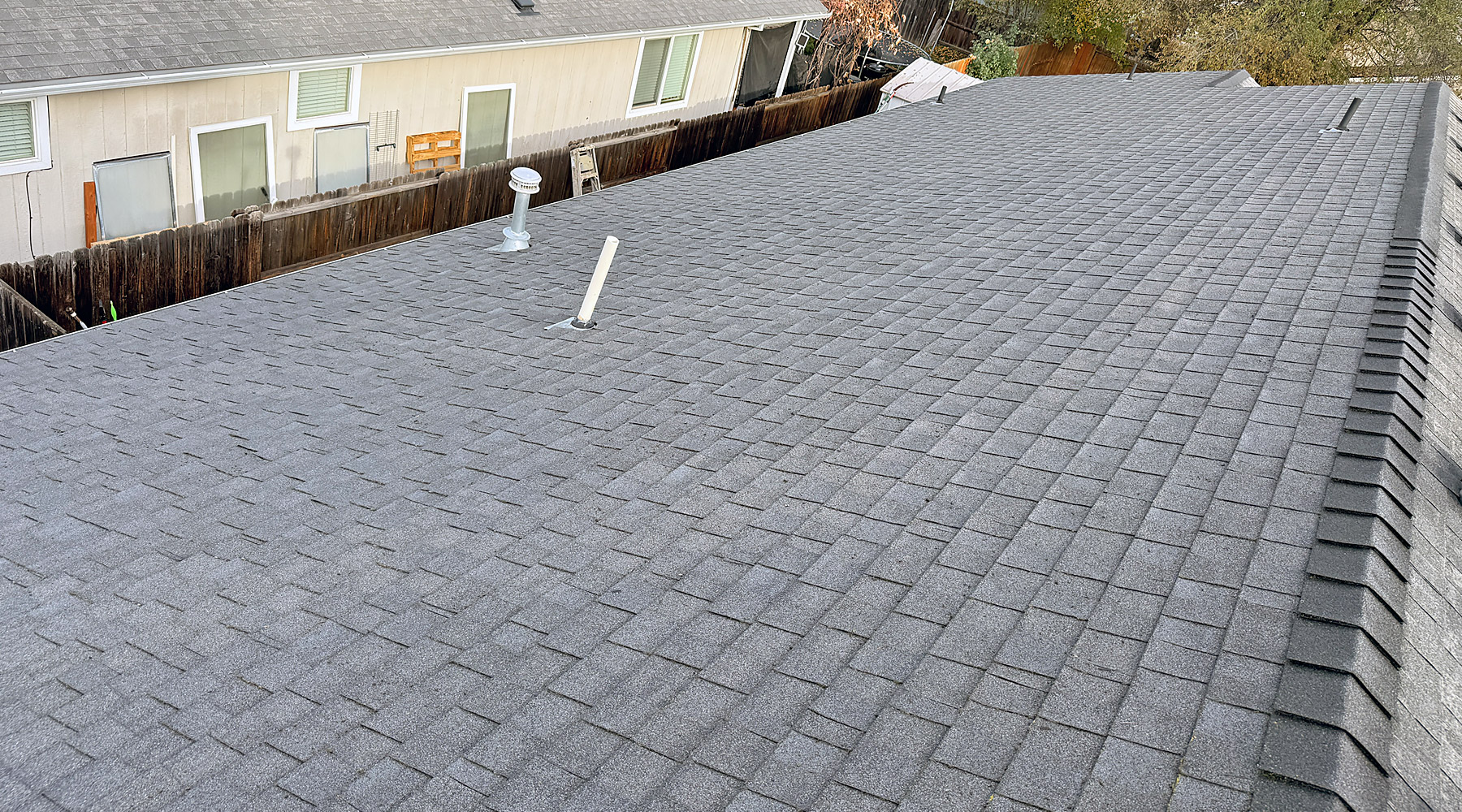


What Causes Roof Moss (and Why it’s Worse Under Trees)
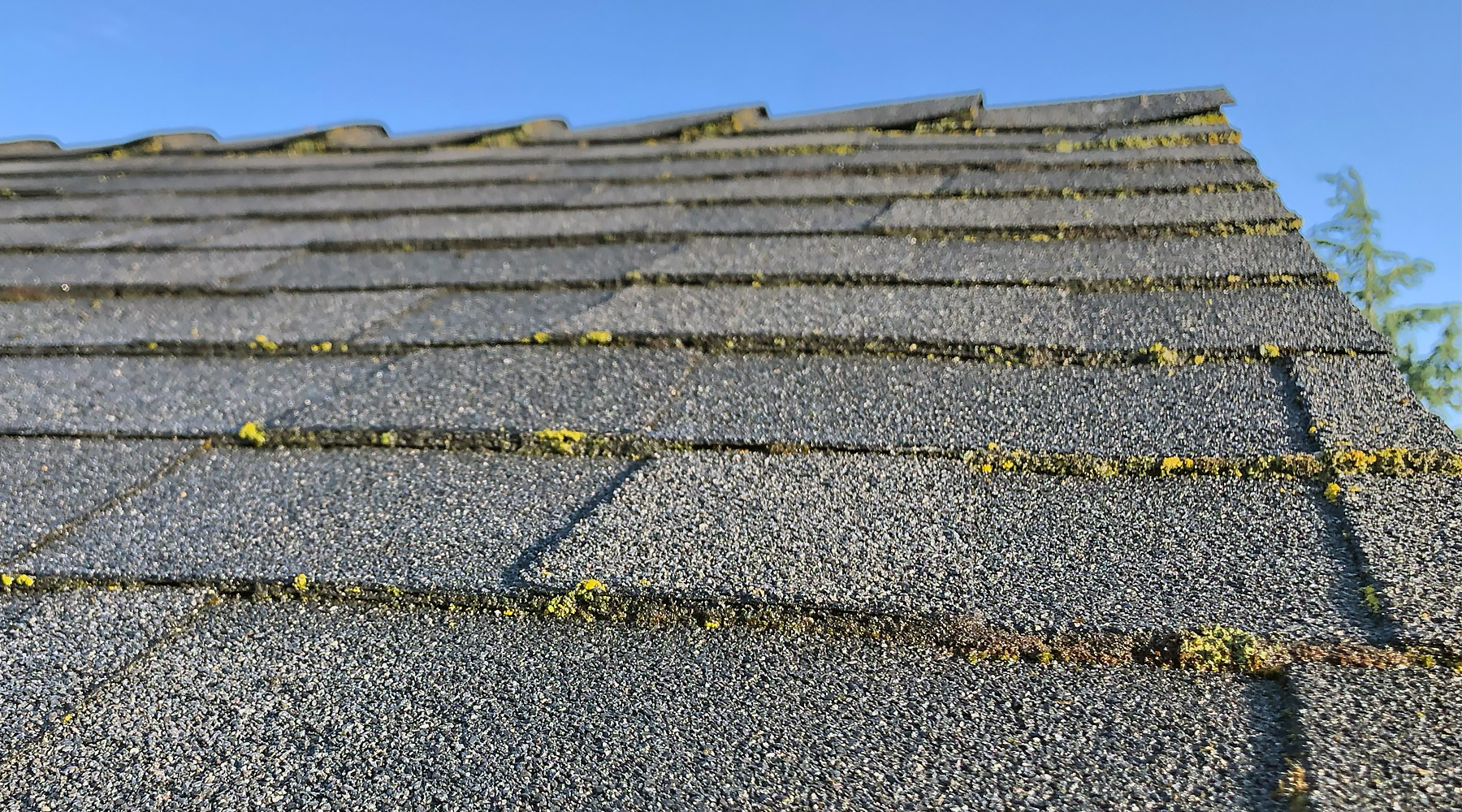
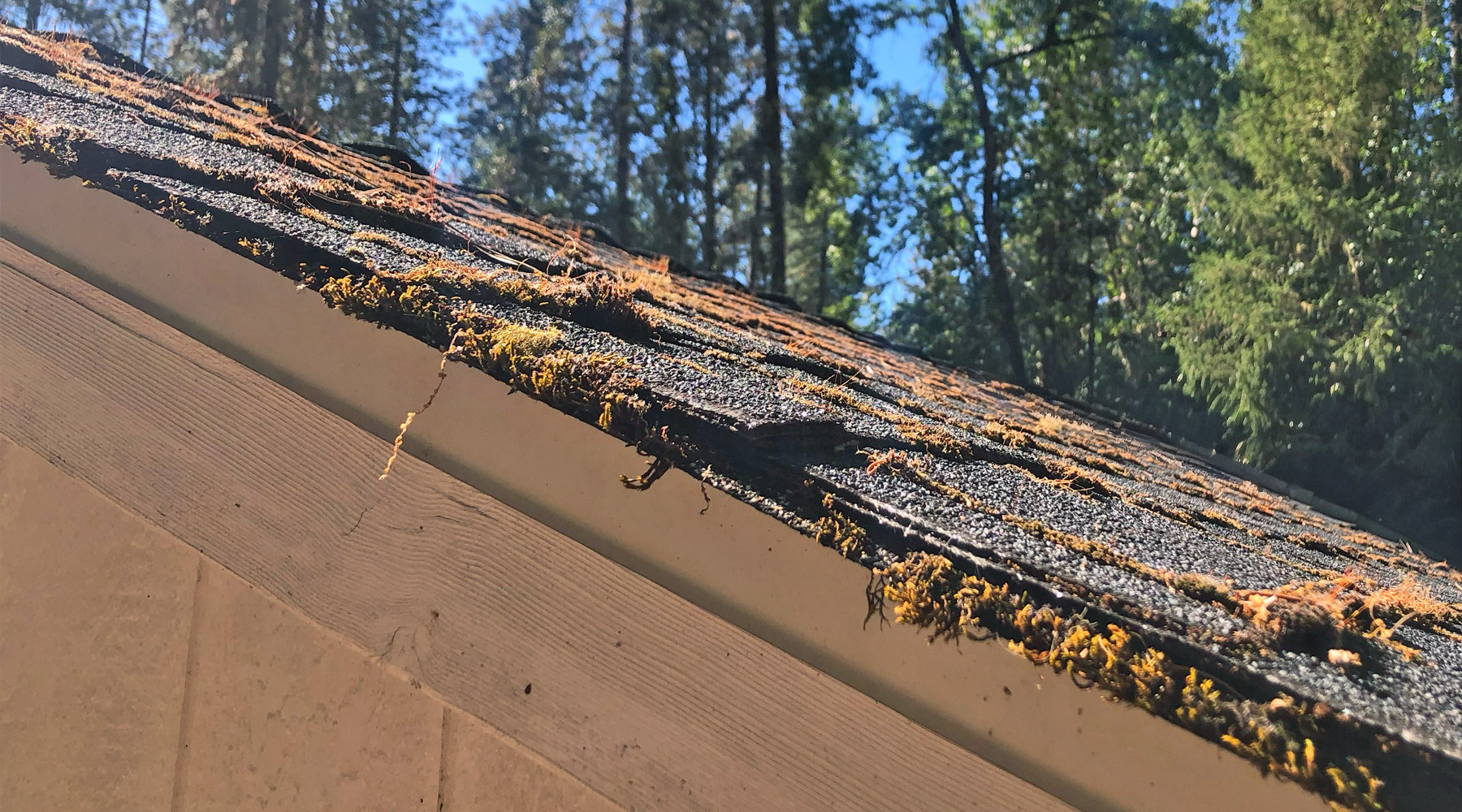
Moss thrives when three things overlap:
- Shade (north slopes, trees, chimneys, close neighbors)
- Moisture retention (slow-drying roofs after rain or overnight dew)
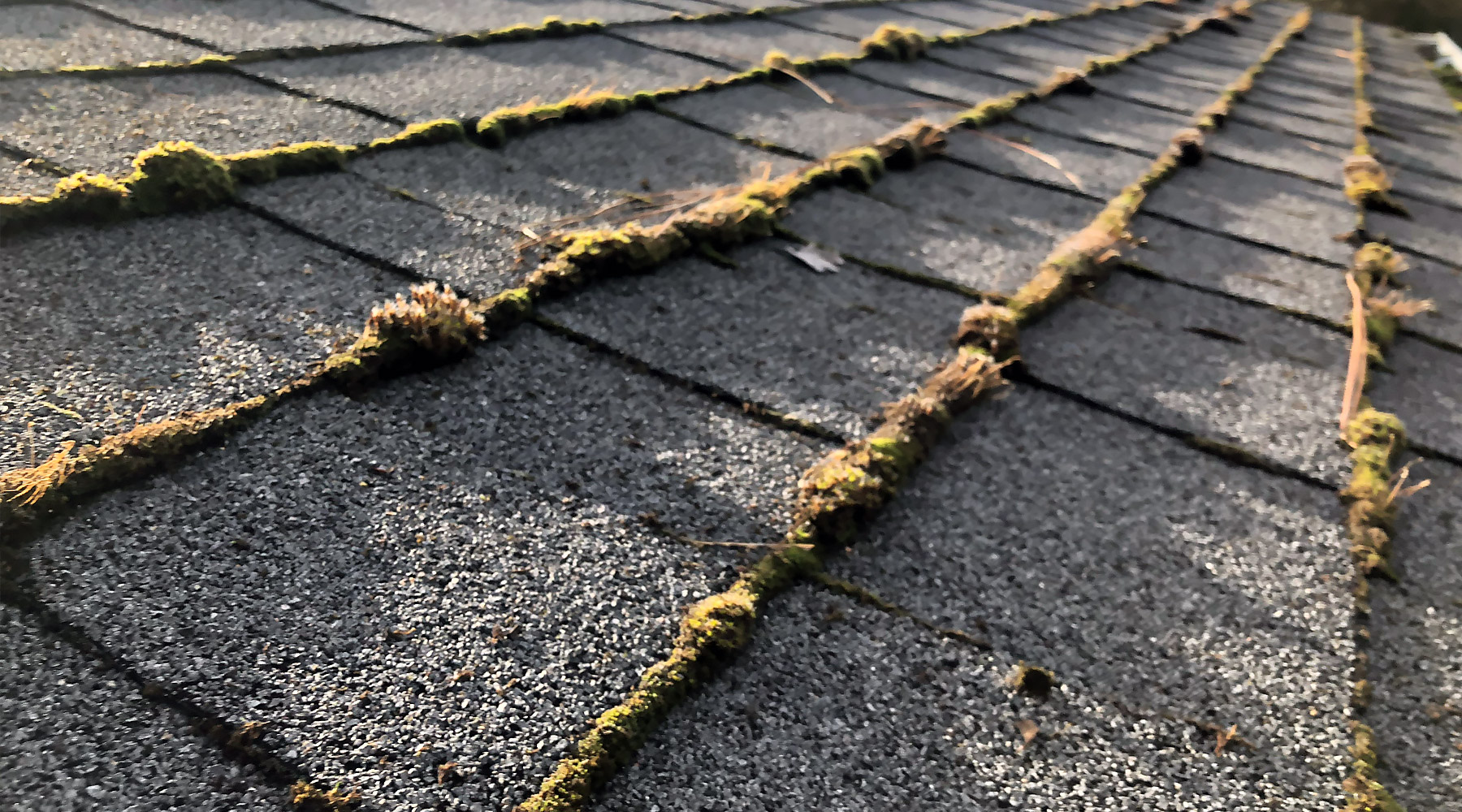
- Organic debris (needles/leaves that hold water in valleys and transitions)
That’s why some roofs stay clean for years while a neighbor’s roof under a canopy grows moss quickly.
If you want the deeper explanation (and what conditions accelerate it), see: Why Roof Moss Grows So Fast in Southern Oregon
Roof-Safe Removal (What “Good Work” Should Look Like)
A roof-safe approach is less about “spotless today” and more about protecting shingles while reducing regrowth.
In general, good work includes:
- a quick condition check (valleys, flashing lines, brittle shingles, edge lifting)
- debris control (especially in valleys and transitions)
- a method that minimizes granule loss
- clear expectations about what improves immediately vs after rain
- a prevention/maintenance plan when it fits the roof’s conditions
If you’re comparing options, start here: Roof Cleaning Method Comparison (Soft Wash vs Pressure Washing vs Manual Removal)
And if you’re trying to separate real risk from common fear-based claims: Does Roof Moss Damage Shingles?

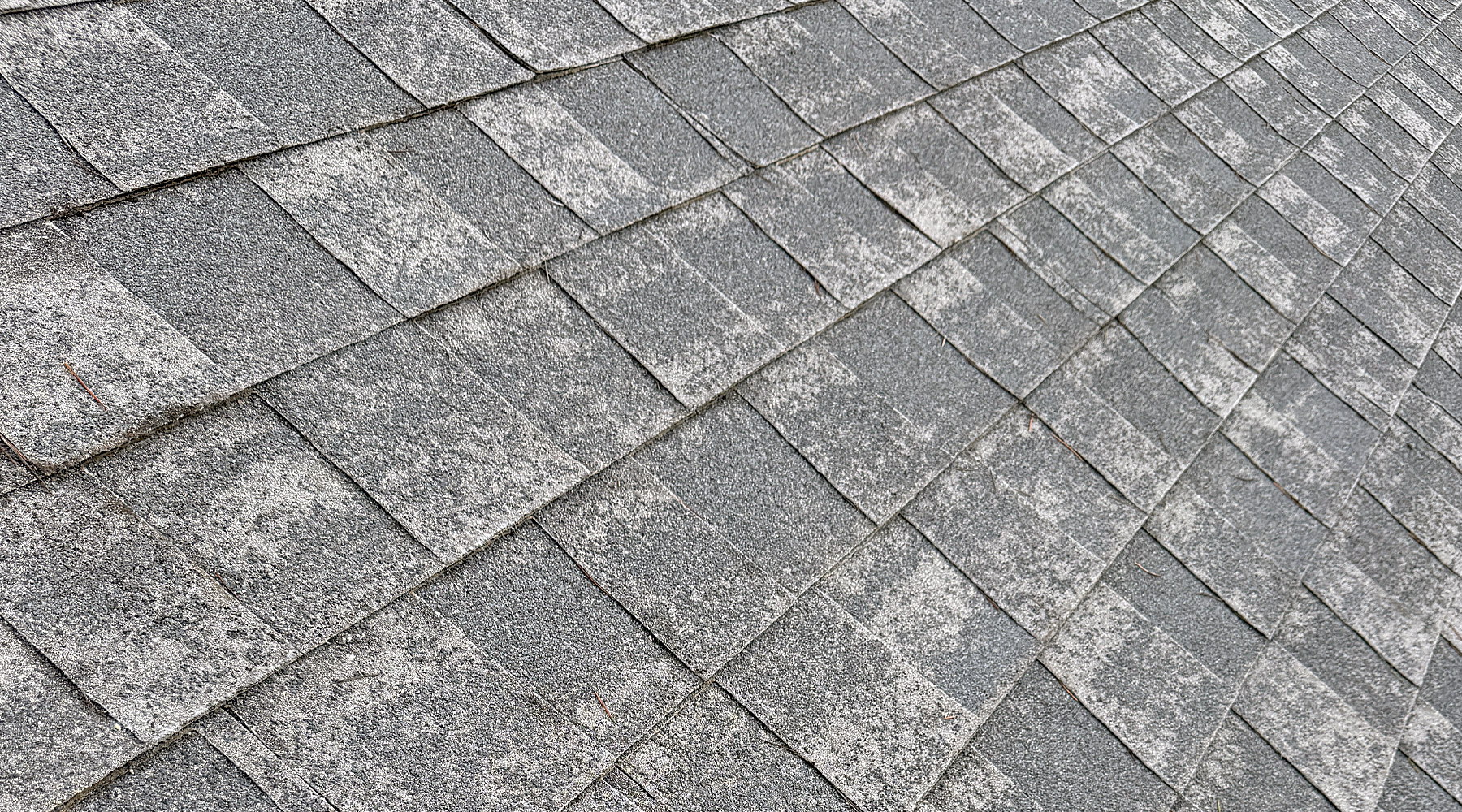
Prevention (What Makes Moss Come Back Slower)
There’s no “never again” solution under a tree canopy, but you can reduce how fast it returns:
- keep valleys and transitions clear (debris is fuel)
- improve drying time where you can (strategic trimming)
- use zinc/copper strips only when the roof layout and runoff patterns support it
- set a maintenance cadence based on shade exposure
Strips can help in the right setup — and disappoint in the wrong one. This explains when each is worth it: Zinc vs Copper Strips for Moss Prevention
And if you want realistic timing expectations: How Long Does Moss Treatment Last?
Don’t Pacick (If Your Roof Was Flagged by Insurance)
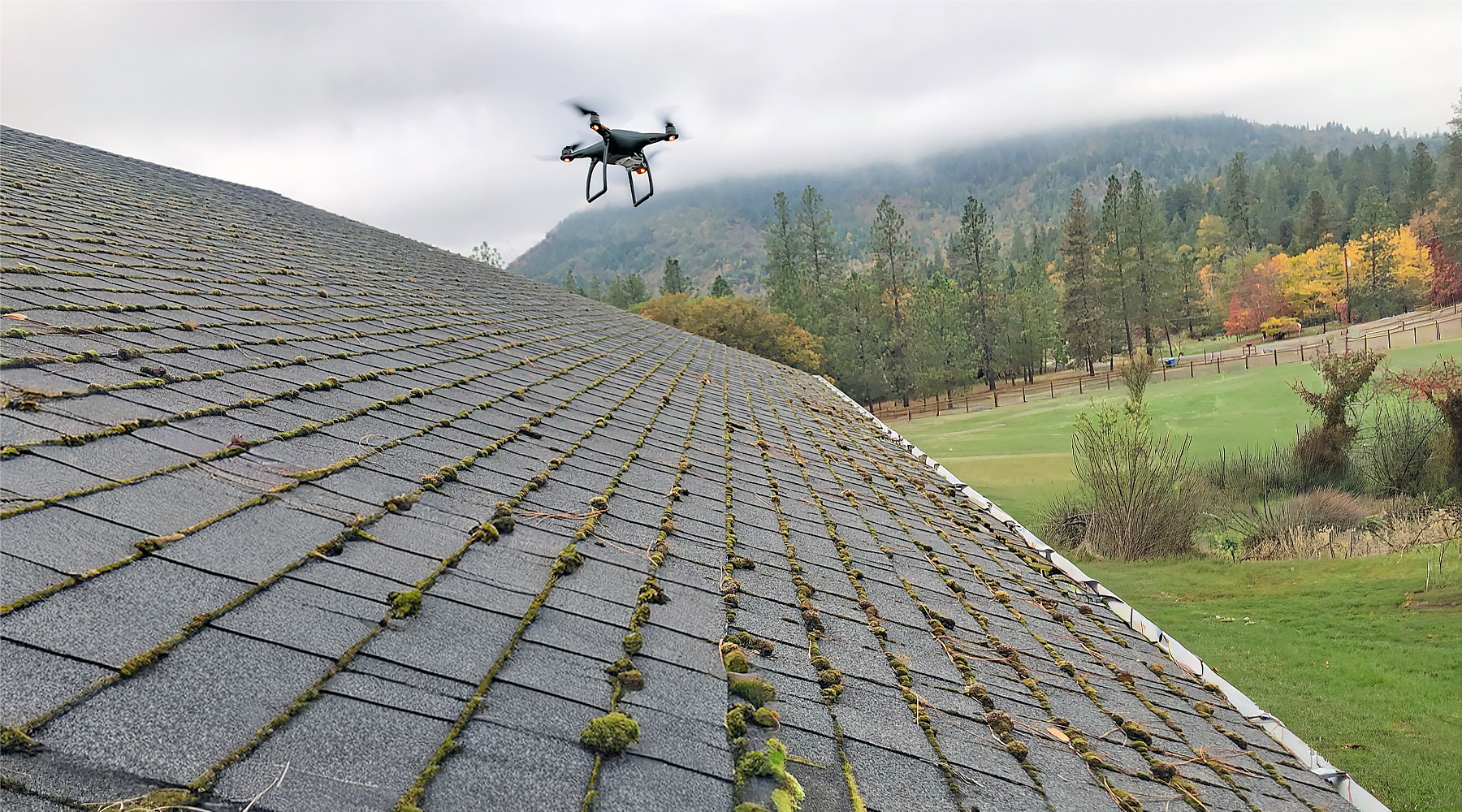
Being flagged doesn’t always mean your roof is “failed.” It often indicates that moss was detected and that the insurer wants proof it’s being addressed.
The best approach is:
- document condition (photos)
- choose a roof-safe method (avoid visible damage)
- keep the invoice/method notes for proof
Start here: Drone Roof Inspections: Why Insurers Are Flagging Mossy Roofs
Find Local Help (in Oregon)
If you’d rather not guess, these pages explain what to ask and how to avoid damage-prone methods:
FAQs
-
Not always. Light moss can be mostly cosmetic. The bigger concern is thick growth in valleys or along shingle edges where it traps moisture and debris.
-
Yes — but method matters. Aggressive pressure washing and harsh scraping are the most common ways shingles lose granules early.
-
As a default method, it’s usually a red flag. There are safer ways to reduce moss without stripping protective granules.
-
It depends on shade, debris, and drying time. Under trees, results can fade faster unless underlying conditions are improved.
-
They can, when installed correctly and when runoff patterns support them — but they’re not magic, especially under heavy canopy.
-
Usually because the roof stays shaded and slow-drying, and valleys collect debris that holds moisture.