How Much Does a French Drain Cost in Southern Oregon (What Actually Impacts Price)
Key Takeaways
-
Most professionally installed French drains in the Medford-area market are often quoted around $25–$39 per linear foot for common residential setups.
-
Exterior “yard/curtain” drains are usually priced lower than deep perimeter or interior systems, which require more labor and restoration.
-
The price isn’t random—it’s driven by digging conditions and design: depth, rock/soil, access, and where the water can discharge.
-
A “cheap install” can cost more later if the slope is wrong, the outlet clogs, or the system silts in—because the water problem doesn’t go away.
-
The best value is a drain + a quick site-level plan: what water you’re intercepting (surface vs seepage), where it’s going, and what gets restored afterward.
Southern Oregon drainage pricing can feel all over the map—especially if you’re comparing a shallow yard drain to a deeper system that has to move water around hardscape, through rock, or away from a foundation.
The truth is, French drain cost usually comes down to a few specific variables: how hard it is to dig, how deep it needs to go, and how cleanly you can discharge the water. Once those are clear, the price range tightens up fast.
If you’re building your water-control budget, it helps to separate routine maintenance costs (like gutters) from true drainage work. If you’re tracking multiple water issues around the property, start with the Drainage and Water Control guide so you can match the fix to the problem.
Typical French Drain Price Ranges in Southern Oregon
Most homeowners want a straight answer first, so here’s the honest version:
- Common Medford-area professional install range (often referenced locally): $25–$39 per linear foot
- Outdoor/exterior French drain range (broader benchmark): $10–$65 per linear foot
- Yard/curtain drain benchmark (installed average range): $10–$35 per linear foot
- Interior/basement drain systems: often $40–$85+ per foot (with total project costs commonly much higher)
These ranges are benchmarks — on-site conditions (rock, depth, restoration) are what determine where your project lands.
Instead of giving one number that won’t match your property, here’s a better way to think about it:
- Lower-cost jobs are typically shorter runs, shallow depth, easy access, and a simple daylight outlet.
- Mid-range jobs usually involve moderate depth, multiple tie-ins (like downspouts/area drains), or some restoration.
- High-cost jobs often mean rocky digging, tight equipment access, hardscape removal, deep perimeter work, or a dry well/sump solution because discharge is limited.
What Actually Impacts the Cost of a French Drain?
Pricing usually follows a few consistent variables. The biggest differences between quotes typically show up in excavation difficulty and discharge design—not the pipe itself.
1) Drain Type and Purpose
A “French drain” can mean a few different systems in the real world:
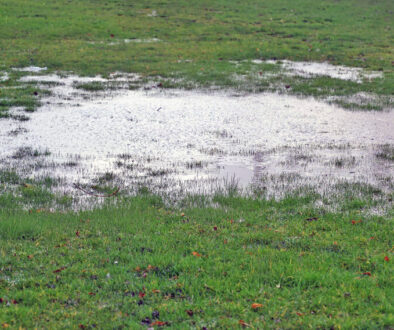
- Yard/curtain drain to intercept soggy lawn seepage
- Deep perimeter drain to control water near a foundation
- Interior drain/sump when water is coming in through the slab or crawlspace area
These are not priced the same. Benchmarks often show yard drains on the lower end, with deep perimeter and interior systems higher.
2) Trench Depth and Grade Requirements
Depth is one of the fastest ways to change cost. Deeper trenching means:
- more digging time
- more spoil handling
- more gravel backfill
- more restoration
Also, French drains need a consistent slope to move water by gravity, which can require a longer run (or a different discharge plan) on flatter properties.
3) Soil, Rock, and Digging Conditions
In Southern Oregon, this is where quotes can separate quickly:
- clay-heavy soils that hold water
- cobble/rock that slows trenching
- hillside lots where access is limited
If excavation is slow, the install gets expensive—because the labor and equipment time pile up.
4) Length, Layout, and Tie-Ins
Linear feet matter, but layout matters just as much. Costs rise when you have:
- multiple collection points (downspouts, yard inlets, area drains)
- branch lines tying into a main line
- routing around patios, fences, landscaping, or utilities
5) Where the Water Can Discharge
This is the part many homeowners don’t consider until the end.
Common discharge options:
- Daylight outlet (often simplest if the property slopes)
- Dry well (adds excavation and materials)
- Approved storm tie-in (varies by site and local rules)
Field note: discharge rules can change what’s “allowed” on paper versus what’s smart in practice. If you’re inside city limits, it’s worth skimming Medford’s Stormwater Program before anyone proposes tying into a storm
If there’s no good place to daylight the line, a dry well can be the next step — but it changes the budget because you’re now building a storage/soakaway component, not just a trench.
6) Restoration Work After the Trench
Installing the drain is one thing—putting everything back is another. Restoration can include:
- sod/seed/topsoil
- bark/rock replacement
- irrigation repairs
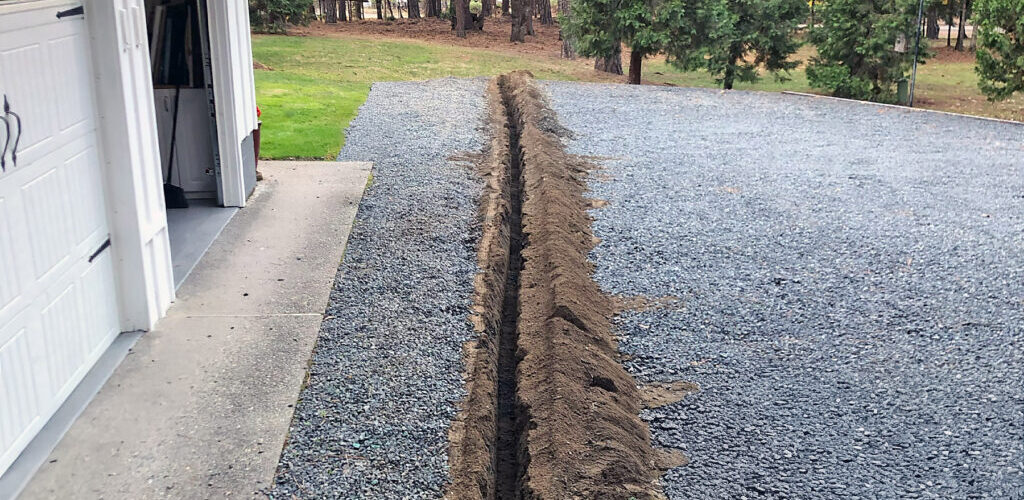
- concrete/asphalt cutting and patching (major cost driver)
7) Hardscape and Access Constraints
If the best route crosses:
- driveways
- sidewalks
- patios
- retaining wall zones
…you’re paying for removal, protection, and repair—not just drainage pipe.
Cost by French Drain Type
Not every “French drain” you hear quoted is the same system. On a site visit, this is one of the first things to clarify—what kind of water you’re dealing with (surface runoff vs. subsurface seepage) and where it needs to go. Once the drain type is clear, the price range usually tightens up fast.
Exterior Yard or “Curtain” Drain
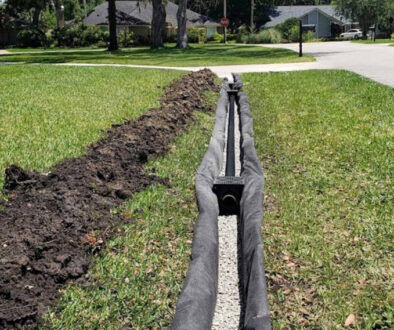
This is the common yard solution: a trench with gravel and a perforated pipe that intercepts water moving through the soil and redirects it away.
- Often benchmarked at around $10–$35 per foot installed in many cost guides
- Can push higher when rock, depth, access, and restoration stack up
Best for: soggy lawns, hillside seepage, persistent pooling in one zone.
If you want a quick visual on what contractors mean when they say “French drain,” This Old House has a straightforward overview of the basic layout (trench, rock, pipe, fabric, and slope). See the French drain installation overview.
And if you’re deciding whether a French drain is the right tool for your situation, the quick breakdown here helps: French Drains in Southern Oregon (Pros and Cons).
Deep Exterior Perimeter Drain
This is closer to foundation-depth work and often costs more due to excavation depth and careful routing.
- Deep/perimeter systems are commonly benchmarked higher (often $30–$90 per foot in broader guides).
Best for: persistent foundation-adjacent moisture patterns where a shallow curtain drain won’t intercept the source.
Interior Drain and Sump Setup
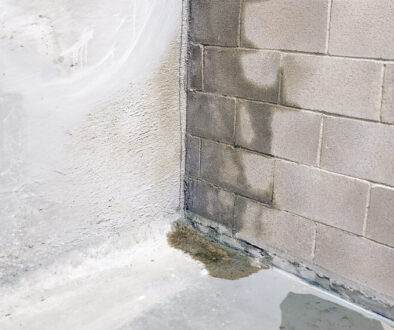
Interior systems can be expensive because they may involve cutting slab, installing an interior perimeter channel, and tying into a sump/pump setup.
- Interior benchmarks often show $40–$85+ per foot and higher total project costs.
Best for: active water entry through slab/foundation where exterior excavation isn’t feasible.
Why Cheap French Drain Work Can Cost You More Later
We’re not talking “premium vs budget” as a status thing—we’re talking about the difference between:
- a trench that looks like a French drain, and
- a drainage system that actually moves water where it should.
Common failure patterns include:
- insufficient slope (water sits in the pipe)
- poor fabric/gravel choices (silt clogs the system)
- crushed pipe from improper backfill
- an outlet that plugs or erodes out
When the drain fails, the water problem stays—and you’re paying for excavation again.
How to Keep French Drain Costs Lower Over Time
If you want to keep drainage costs predictable (and avoid rework), a little planning goes a long way:
- Start with roof runoff: if a downspout line is backing up or dumping near the foundation, fix that first — a clogged downspout drain line can mimic a “yard drainage” problem and inflate the scope fast.
- Pick the shortest effective route to a safe discharge point.
- Avoid hardscape cuts when possible—reroutes are often cheaper than patchwork.
- Don’t undersize the outlet plan (this is where “cheap installs” get expensive later).
If the problem is surface runoff, start with grading first. On a lot that has room to shape water, a shallow swale can sometimes do the job for less than trenching — especially when the water is moving across the yard, not seeping up from below.
Inspector tip: before you pay for trenching, confirm whether the issue is surface runoff, seepage, or roof discharge. OSU Extension’s stormwater resources are a good primer on lower-impact options (like shaping flow and improving infiltration) that can sometimes reduce how much “pipe-and-rock” you actually need. OSU Extension stormwater resources.
Quick Takeaway
French drain cost in Southern Oregon is mostly driven by depth, digging conditions, access, restoration, and how the drain discharges. If you’re comparing quotes, don’t just compare the number—ask where the water is going, how the outlet is built, and what restoration is included.
The goal isn’t “a drain in the ground.” It’s a system that works the first time the heavy rain hits.
What To Ask When Requesting a Quote
- Where does it discharge? (daylight, dry well, storm tie-in)
- How deep is the trench? (and what slope are you using?)
- What materials are specified? (fabric + rock + pipe type)
- What restoration is included? (sod/seed, bark, concrete patching)
When to Call a Pro
From an inspector’s point of view, French drain work stops being a DIY project when the risk is higher than the savings—or when the “drain” is really an excavation, discharge, or restoration job.
Consider hiring it out if you have:
- Rocky ground or unknown digging conditions
- Tight access (slopes, fences, landscaping, narrow side yards)
- Hardscape crossings (driveways, patios, walkways)
- Foundation-adjacent moisture you can’t afford to guess on
- No clear daylight outlet, meaning you need a dry well or a more engineered plan
Final Field Note
If you’re comparing bids, ask one question that cuts through the noise:
“Where does the water discharge, and how do you make sure that outlet keeps working?”
A good install isn’t just pipe and gravel—it’s proper slope, proper materials, and a discharge plan that won’t clog, erode, or create problems elsewhere.
FAQs
-
Most professionally installed exterior French drains in the Medford-area market are often quoted around $25–$39 per linear foot, but depth, rock, access, and discharge method can move the total significantly.
-
Using common exterior benchmarks, a 100-foot drain often costs around $1,000–$6,500, depending on difficulty and design.
-
The biggest cost drivers are trench depth, rocky or difficult soil, limited equipment access, hardscape removal and patching, and discharge method (daylight outlet vs dry well vs tying into an approved storm system).
-
Sometimes. Minor regrading can be less expensive if it solves the problem on its own. But when water needs to be collected and moved to a safe discharge point, a French drain often provides a longer-term fix—especially in clay-heavy or hillside seepage situations.
-
It depends on where the water discharges and local rules. Many simple yard drains don’t require permits, but connections to storm systems or changes near protected waterways may. A local contractor or your city/county can confirm requirements for your address.
-
Common options include a daylight outlet on a sloped property, a dry well, or an approved storm drain connection. The discharge should never create problems for neighboring properties or cause erosion.
-
A properly built French drain can last many years to decades. Lifespan depends on correct slope, quality filter fabric, clean gravel, a non-crushing pipe choice, and an outlet that won’t clog.
-
Yes, but results depend on getting the slope and outlet right. DIY can look cheaper until you factor in gravel delivery, equipment rental, and restoration. If you’re near the foundation, in rocky ground, or unsure about discharge, hiring a pro often prevents expensive mistakes.
-
A French drain is typically a gravel-filled trench with a perforated pipe that collects subsurface water. A trench drain (channel drain) collects surface water through a grate and is common across driveways, patios, and garage entries.
-
If water is pooling because roof runoff is dumping near the house, gutter repairs and downspout extensions may solve it. If you have soggy areas fed by hillside seepage, persistent pooling, or water moving through soil toward the home, a French drain is more likely.