
Drainage & Water Control(Diagnosis, Fix Options, and What to Do First)
Drainage problems are rarely “one-size-fits-all.” The right fix depends on where the water is coming from (roof runoff, surface flow, groundwater seepage, plumbing) and where it’s getting stuck (flat lots, clay soil, no outlet, clogged lines, poor grading).
This hub is designed to help you diagnose the source, avoid paying for the wrong solution, and choose the simplest fix that actually matches your yard.
Need Local Help?
Recommended Reading
If you only read a few things, start with these.
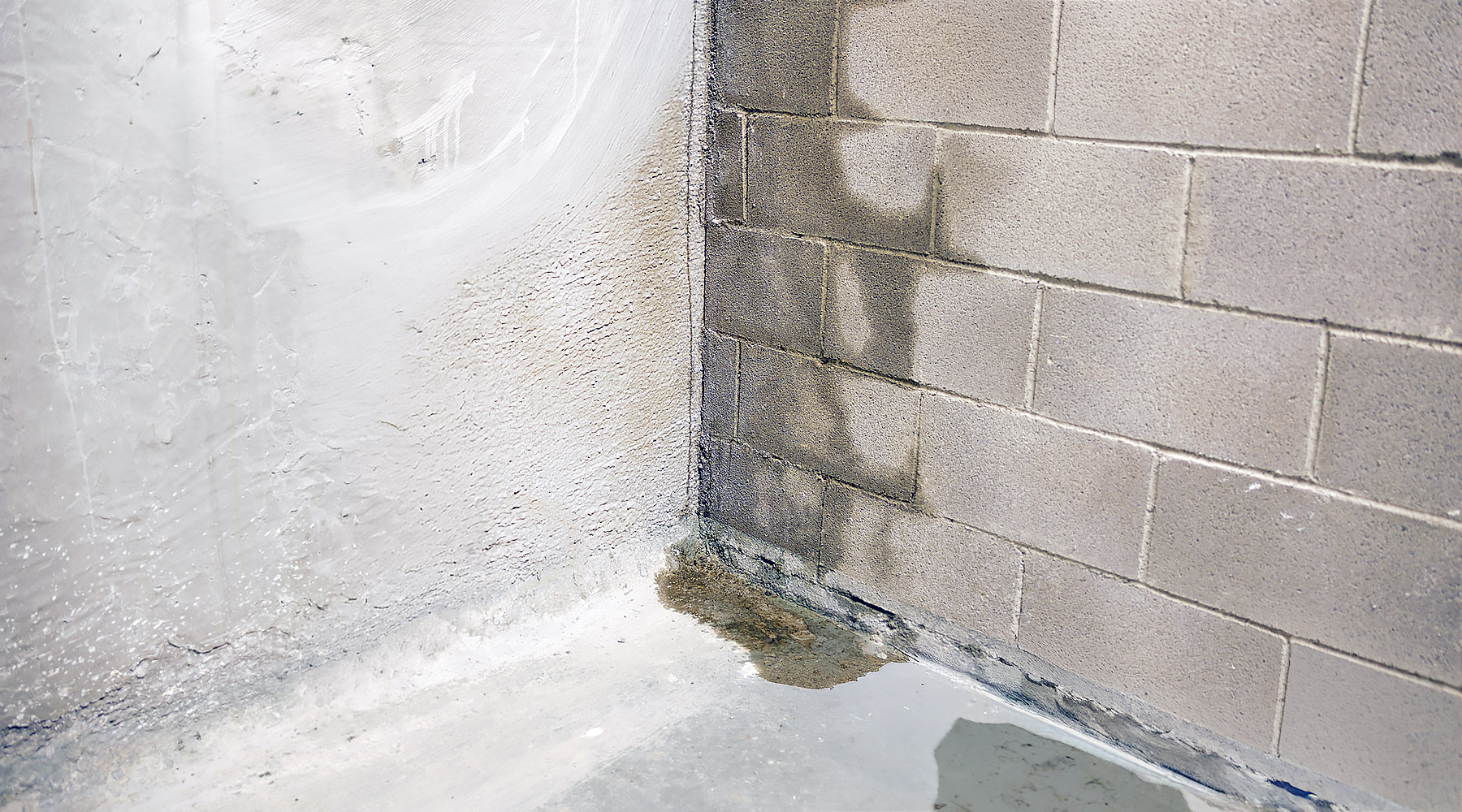
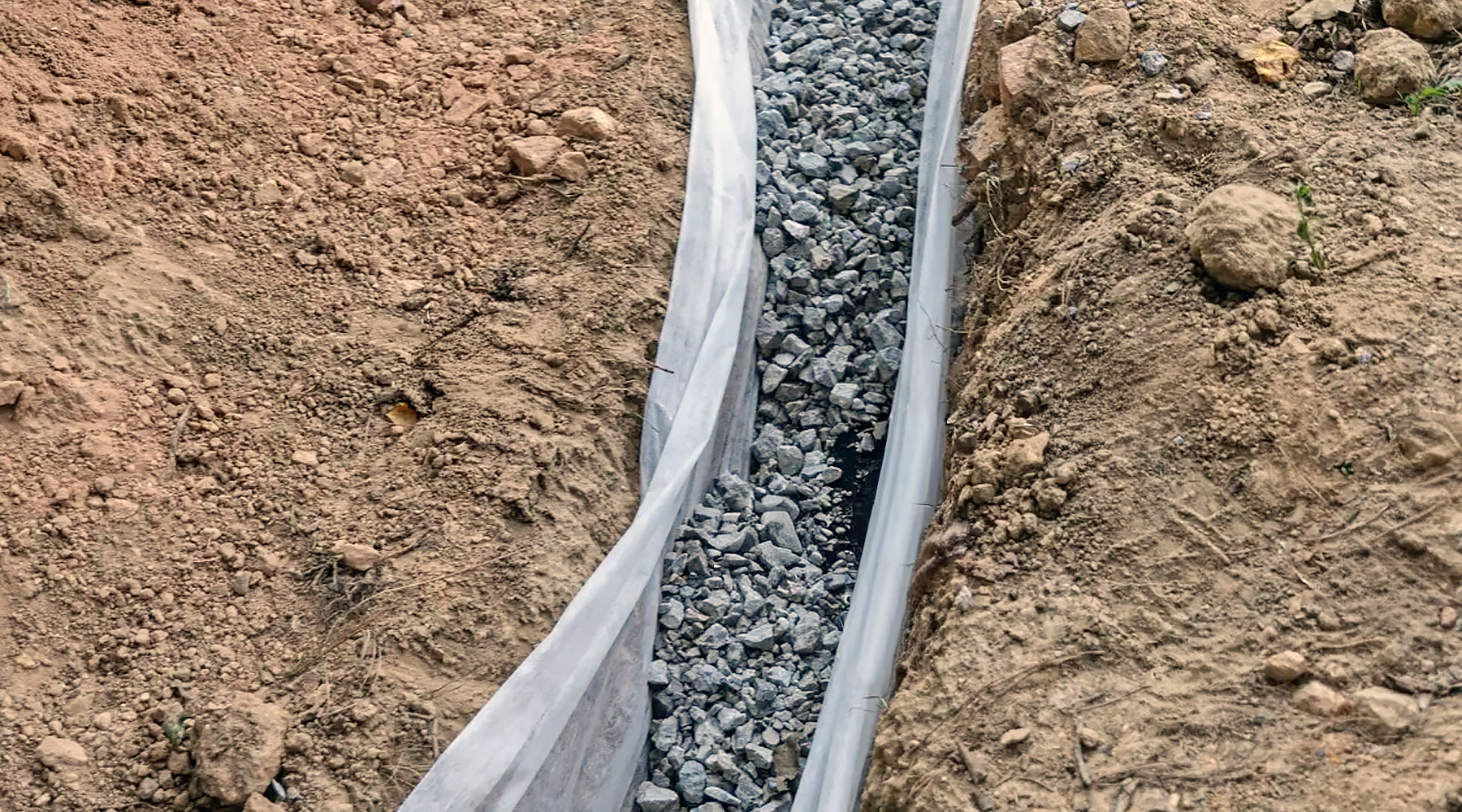

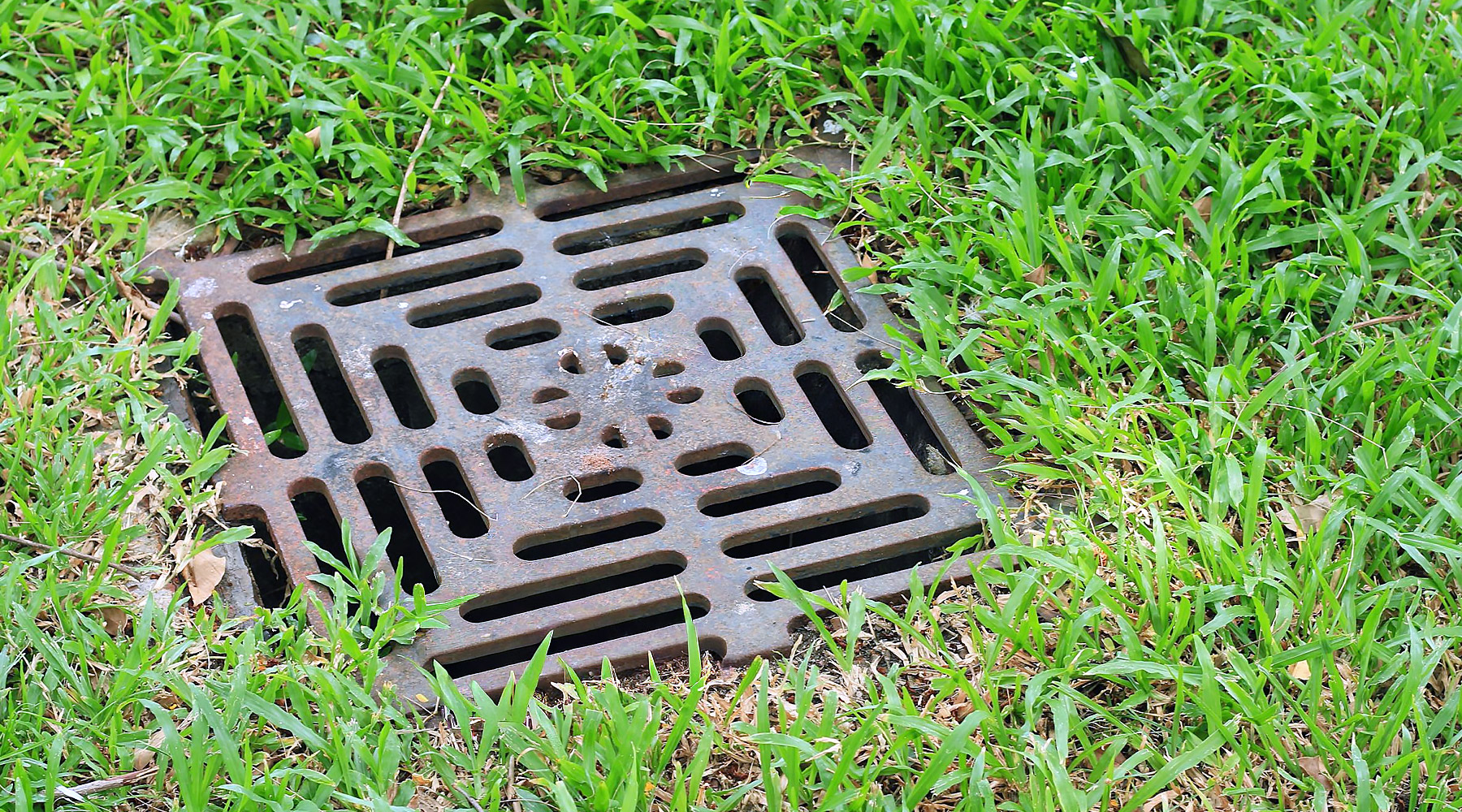

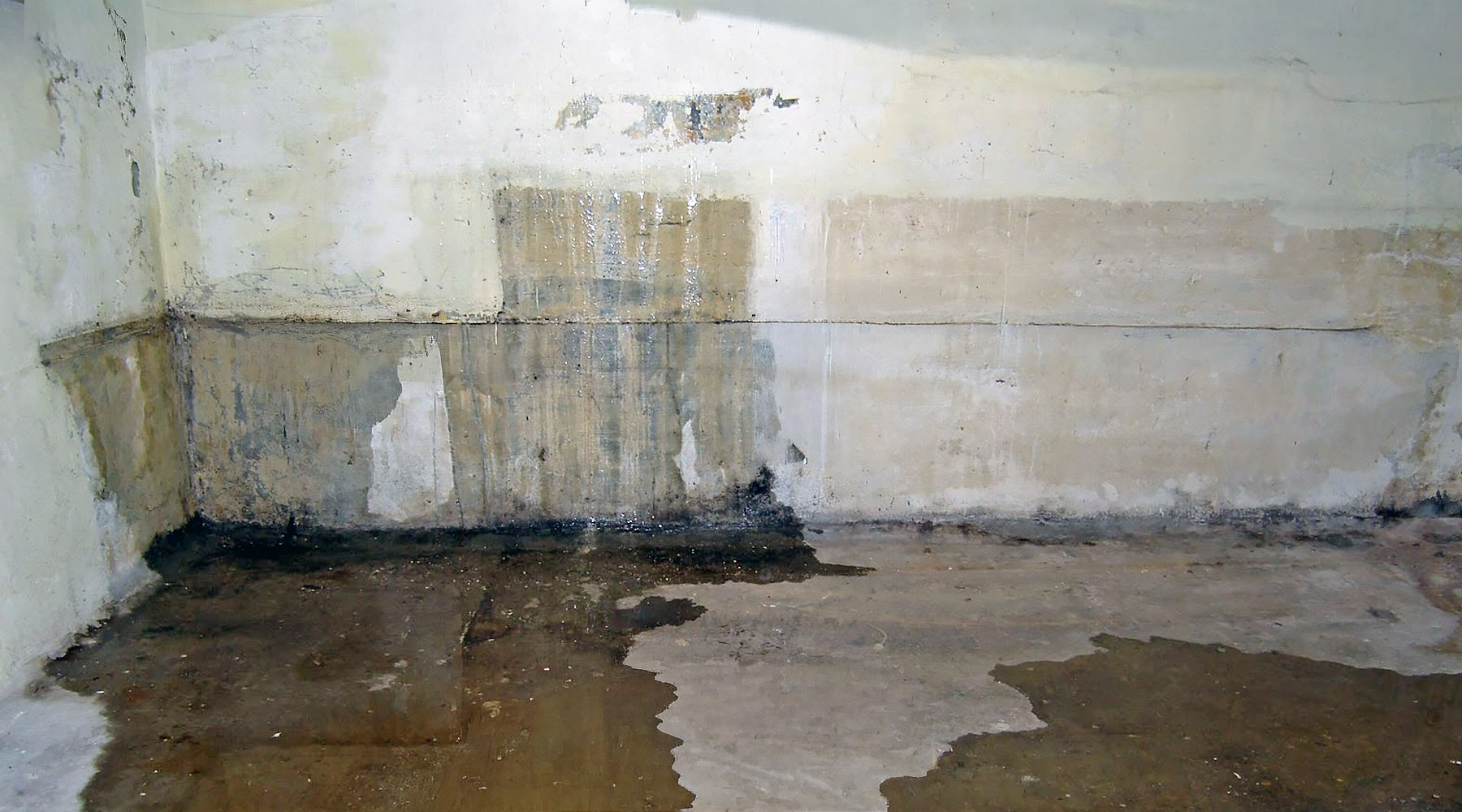


What a “Real Fix” Looks Like (and Why Drainage Projects Fail Early)
Drainage projects usually fail for one of three reasons:
- The source wasn’t diagnosed (runoff vs groundwater vs plumbing)
- The system has no real outlet (gravity can’t win)
- The design doesn’t match the site conditions (flat lots, clay soil, debris-clogging points)
If you only remember one rule: move water away, keep it moving, and make sure it has somewhere to go.
Start here (diagnosis first):
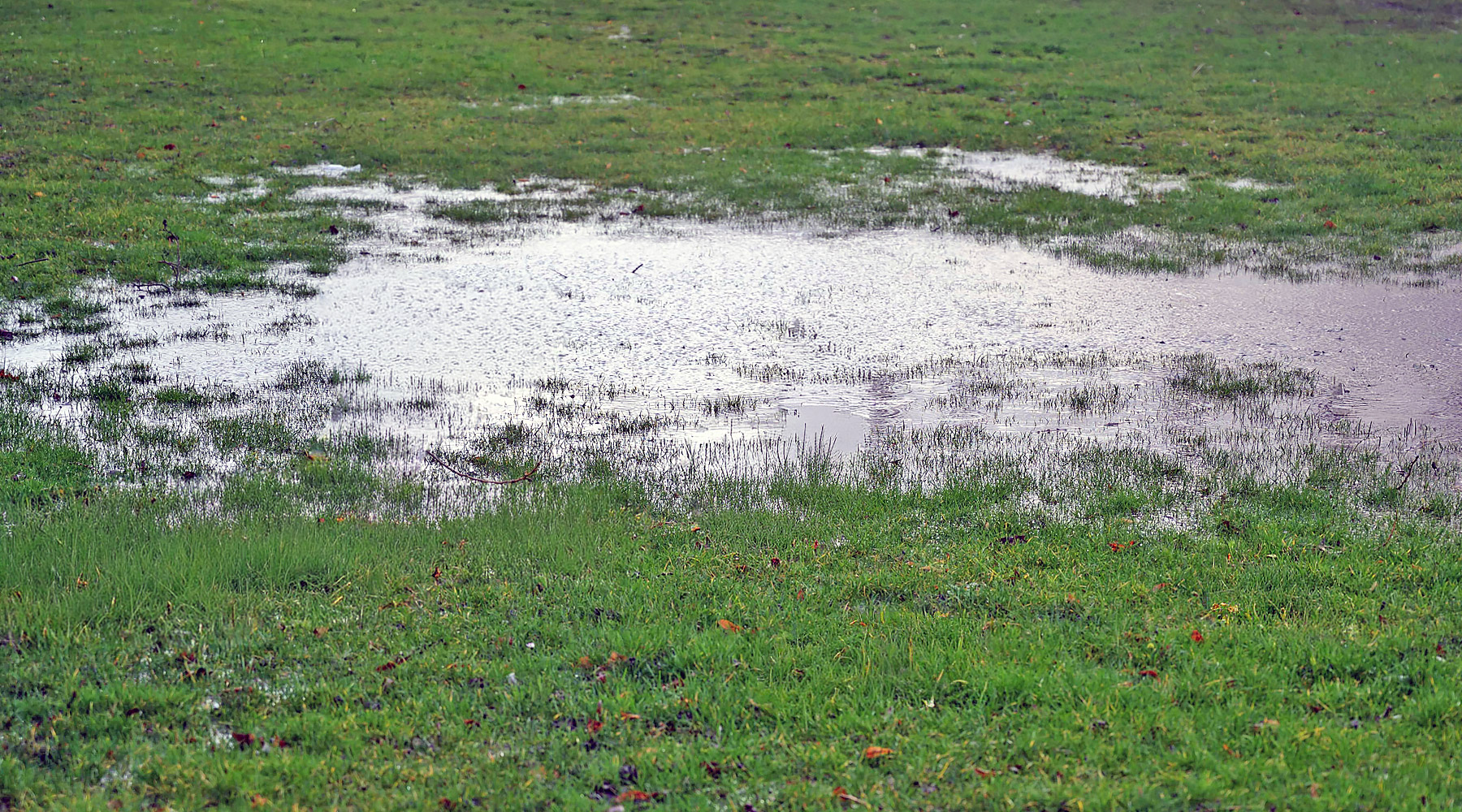
Standing Water Checklist
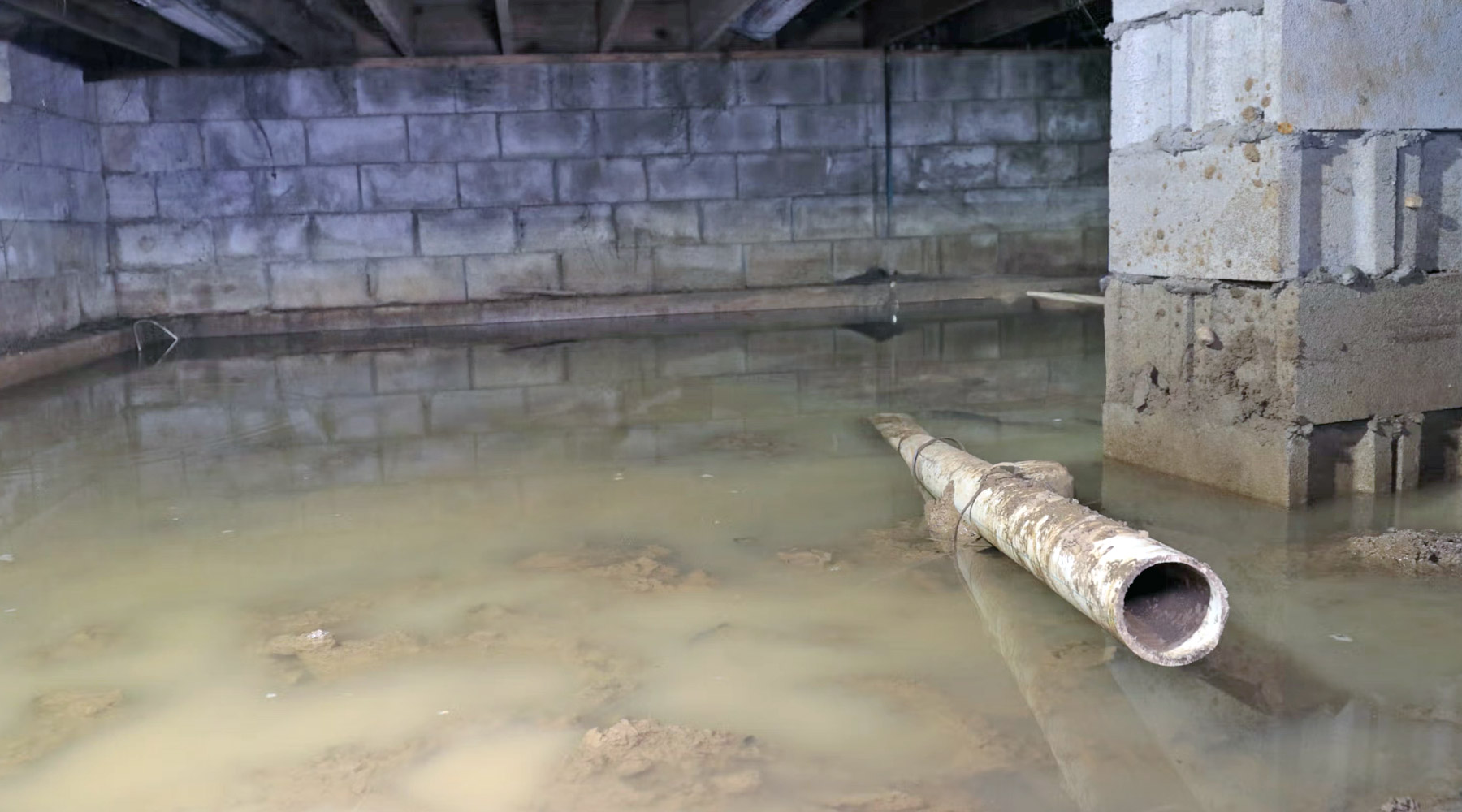
Runoff vs Groundwater vs Plumbing
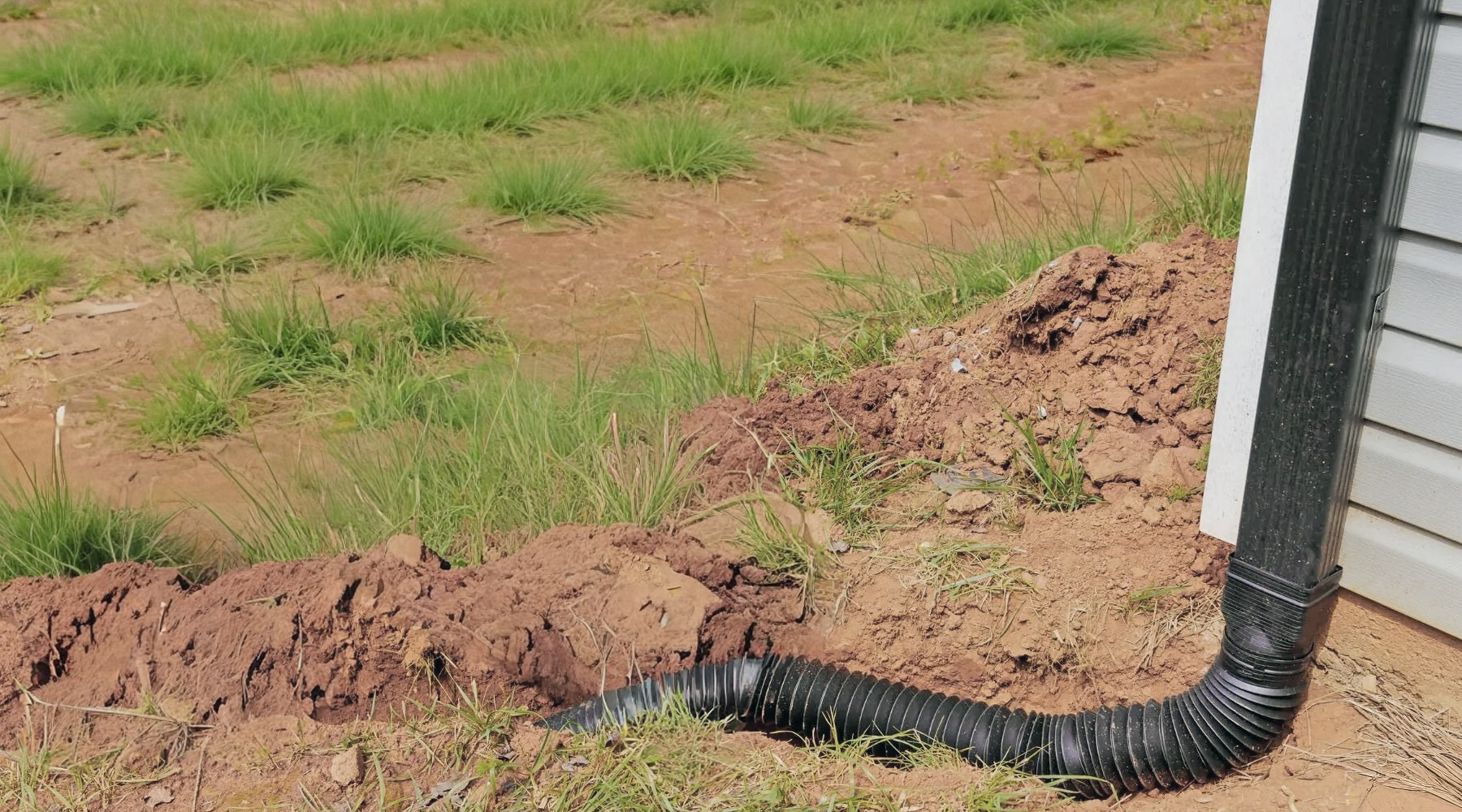
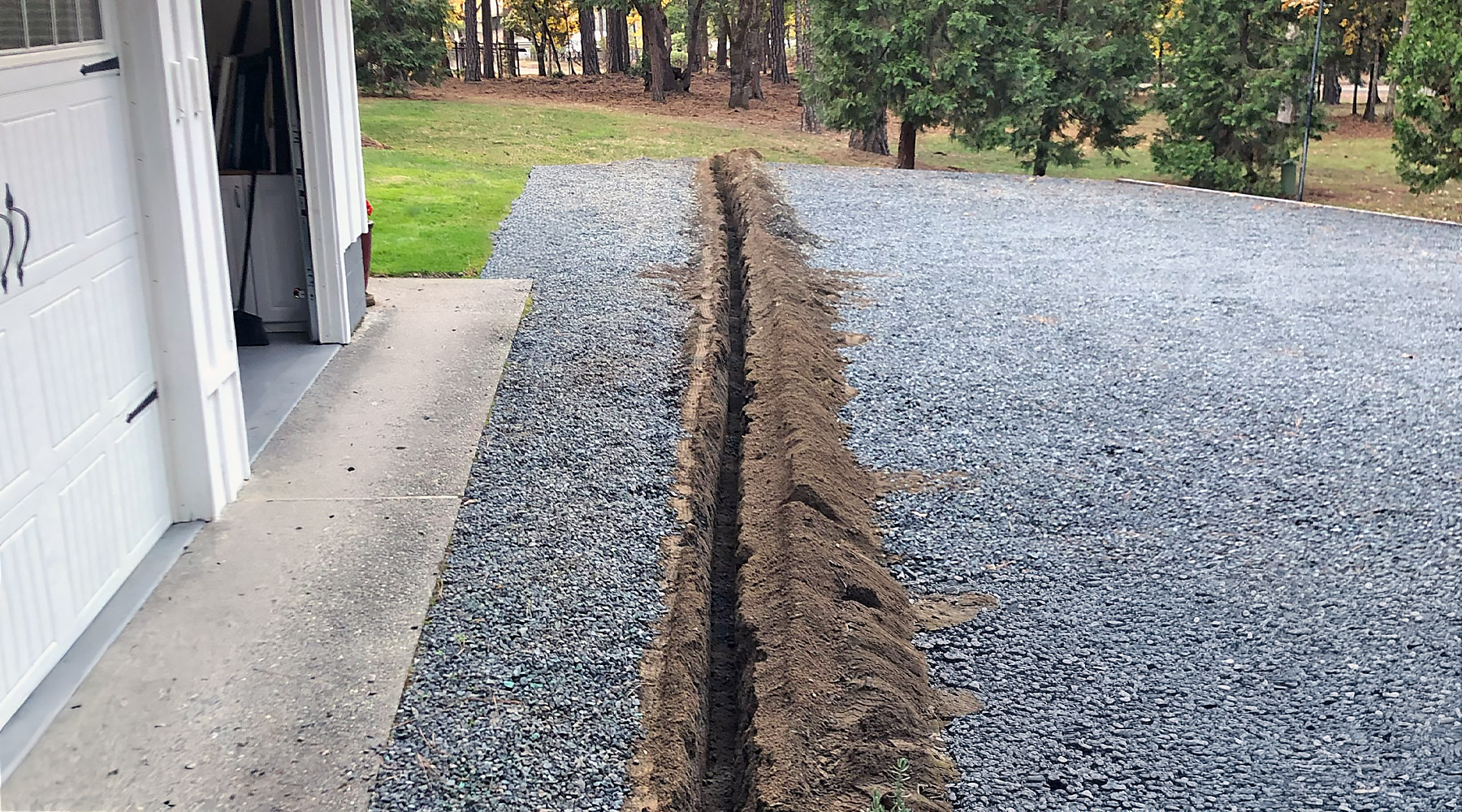
Common Drainage Solutions(and Where They Work)
Find Local Help (in Oregon)
If you’d rather not guess, these pages explain what to ask and how to avoid fixes that don’t match the real water source:
Find Local Help (Oregon) – Coming Soon
Find Local Help (Southern Oregon)
FAQs
-
Not always. Standing water can be caused by a simple low spot, compacted soil, clay soil that drains slowly, or runoff being directed into one area. The right fix depends on whether water is pooling from surface flow or rising from below.
-
Runoff usually correlates with rain and shows up as surface flow patterns. Groundwater seepage often appears after prolonged wet periods and can come from uphill. Plumbing issues often persist even in dry weather or show localized saturation. When in doubt, diagnose the source before choosing a system.
-
If water is flowing toward the house on the surface, regrading is often the simplest fix. Drains are best when you need to collect water at a point (area drains) or intercept subsurface flow (French drains) — but they must have a real outlet.
-
Sometimes — but they’re not a “never clean again” solution. Guards work best when debris is mostly leaves and the roof has a clean runoff path. They often struggle with pine needles, shingle grit, and small debris that still gets through and builds up. The best question isn’t “do they work?” — it’s what debris do you have and where will it accumulate?
-
Area drains/catch basins collect surface water at low points. French drains are designed to manage subsurface water by intercepting and moving it through gravel and perforated pipe.
-
Most failures are from clogs, crushed pipe, poor slope, or emitters that sit in mud and never fully open. They can work well, but they need a design that anticipates debris and maintenance.
-
When gravity can’t win, you’re choosing between reshaping the yard (regrading), adding storage/infiltration (dry well only if soil allows), or using a pump system. The best choice depends on how much water you’re managing and where it can realistically go.