What Happens When You Don’t Clean Your Rain Gutters in Southern Oregon
Key Takeaways
Clogged gutters often cause overflow behind the gutter, which can lead to fascia rot and hidden wood damage.
Water dumping near the home can contribute to foundation moisture issues, crawlspace dampness, and erosion.
Overflow can stain siding, damage paint, and create persistent wet zones that attract pests.
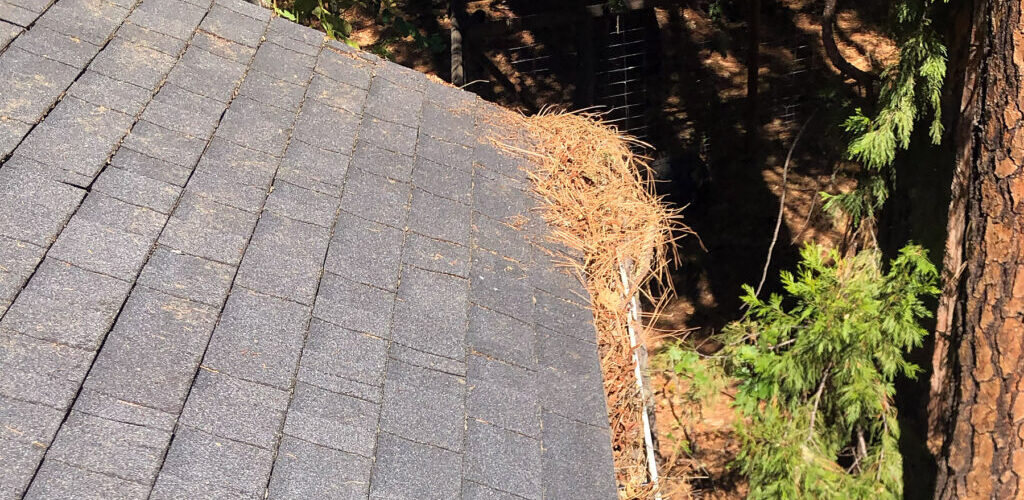
In Southern Oregon, dry-season debris can compact into dense mats that block outlets quickly when rain returns.
If overflow repeats in the same spot, the issue may involve pitch, hangers, or seams—not just debris.
Gutters are one of those systems that seem optional—right up until they aren’t. In Southern Oregon, it’s common for debris to build up quietly through dry months, then show up all at once when fall rain hits and water has nowhere to go.
When gutters don’t drain properly, the damage usually doesn’t start with a dramatic failure. It starts with overflow in the wrong places, repeated wetting of materials that aren’t meant to stay wet, and moisture collecting where your home is most vulnerable.
This guide breaks down what can happen when gutters go uncleaned—and how those problems typically progress in Rogue Valley conditions.
In Southern Oregon, a reliable gutter maintenance plan isn’t just about keeping things tidy—it’s about controlling where thousands of gallons of roof runoff go each season. To see why clogs cause such a wide range of problems, it helps to start with what gutters are actually designed to do.
Gutters Don’t Just “Catch Water”—They Control Where It Goes
Your roof sheds a surprising amount of water during a normal storm. Gutters and downspouts are meant to:
- collect that runoff at the roof edge
- move it safely into downspouts
- discharge it away from the home
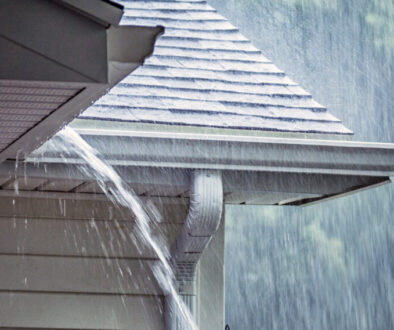
When the system is clogged, water still comes off the roof—but instead of being guided away, it spills and leaks in unpredictable ways.
When gutters are working, water moves predictably from roof edge to outlet to discharge point. Our guide on downspouts and drainage explains what that flow should look like—because once it’s interrupted, the first damage often shows up right at the roof edge.
Fascia and Roof-Edge Damage Is One of the First Failures
When gutters overflow, water often travels where you can’t easily see:
- behind the gutter
- along the fascia board
- into soffit vents or roof-edge gaps
Over time, repeated wetting can lead to:
- fascia rot
- peeling paint and softened trim
- warped boards and loose fasteners
- sections of gutter pulling away under weight
This is one of the reasons gutter issues can “feel sudden.” The damage builds behind the scenes, then becomes visible after a storm.
Overflow Can Create Foundation and Crawlspace Moisture Problems
When gutters don’t drain, the water usually ends up right next to your home—exactly where you don’t want it.
Common outcomes include:
- soil erosion near the foundation line
- pooling around the perimeter
- moisture migrating into crawlspaces
- increased risk of settling in problem soils
Even if your foundation is fine today, repeated saturation can create long-term issues, especially where grading or drainage is already marginal.
Landscaping, Walkways, and Driveways Take the Hit Next
Water dumping from the roof edge doesn’t just soak the ground—it carries force.
Over time, overflow can:
- carve channels in soil and mulch
- destroy edging and drip lines
- splash grime onto exterior walls
- stain concrete near corners and downspout exits
- create slippery mossy zones on walkways (especially in shaded areas)
In the Rogue Valley, the combination of dry summers and sudden heavy rain can make this worse—hard soil sheds water fast, which increases runoff and splash.
Beyond water damage, clogged gutters also create something most homeowners don’t think about: a sheltered, damp pocket along the roofline. That combination of standing water and decomposing debris can turn gutters into an easy habitat for pests.
Pests Love the Conditions Clogged Gutters Create
Clogged gutters and wet debris aren’t just a maintenance issue—they’re an environment.
Depending on the home and season, clogged gutters can contribute to:
- mosquitoes breeding in standing water
- ants and termites being drawn to damp wood
- birds nesting in debris
- rodents using roof-edge clutter as cover
Even when pests aren’t the primary concern, persistent wet zones around roof edges increase the chances of unwanted activity.
Ice and Freeze Issues Can Show Up in Higher Elevations
Not every Southern Oregon neighborhood gets hard freezes, but in higher or colder pockets, clogged gutters can contribute to:
- ice buildup at the roof edge
- heavy frozen debris stressing hangers
- water backing up under roof edges during freeze-thaw cycles
This tends to be more relevant where nights stay below freezing long enough for ice to persist.
The “One Storm Problem”: Why It Often Shows Up Suddenly In Fall
A common pattern in Southern Oregon looks like this:
- debris accumulates through dry months
- outlets partially block and go unnoticed
- the first meaningful storm arrives
- overflow reveals weak seams, low spots, or clogged corners immediately
This isn’t bad luck—it’s timing. Dry weather lets debris compact and settle, then rain exposes the restriction all at once.
If you’re noticing repeat overflow, persistent dripping, or one corner that always seems to struggle first, you may be seeing early system failure—not just a one-time clog. Our guide to the signs your gutters are failing breaks down the most common symptoms and what they typically mean.
When It’s More Than a Cleaning Issue
Sometimes a cleanout fixes everything. Other times, gutters keep failing in the same place because something structural is off.
Clues it may be more than debris:
- overflow repeats at the same corner every storm
- gutters hold standing water after rain
- seams drip consistently
- sections sag or pull away from fascia
- downspouts clog repeatedly at the same outlet
The key is figuring out whether you’re dealing with a flow problem that clearing debris solves—or a structural issue that will keep coming back until it’s fixed. That repair vs. cleaning distinction matters, because it changes what “next step” actually prevents future overflow.
What To Do If You Suspect Clogged Gutters
If you’re trying to prevent the downstream damage above, the most helpful steps are simple:
- Check during rainfall: confirm each downspout is discharging normally
- Look for overflow marks: streaks on siding, splash patterns below corners
- Inspect the “problem edge”: the roofline that collects the most debris
- After wind events: do a quick perimeter walkaround for overflow signs
- Use a seasonal rhythm: late summer + mid-fall + post-storm checks
If you want a simple way to remember when to check gutters in Southern Oregon (and what to look for as storms and leaf drop ramp up), use this fall gutter maintenance checklist to stay ahead of the season instead of reacting to the first overflow.
For homeowners weighing “do it now” versus “deal with it later,” it helps to know what maintenance typically runs here—and how quickly costs can rise once water damage enters the picture. Here’s a breakdown of gutter cleaning cost in Southern Oregon.
FAQs
-
Yes—especially near the roof edge. Overflow and backup can repeatedly soak fascia and roof-edge materials, which increases the risk of rot and hidden deterioration over time.
-
The most common long-term risk is water repeatedly dumping where it shouldn’t: behind gutters, onto fascia, and near the foundation. The damage often starts small and becomes expensive later.
-
Moderate-rain overflow often points to restricted outlets, clogged downspouts, or pitch issues. If it repeats in the same spot, it may be more than debris.
-
They can contribute—especially if water repeatedly saturates soil near the foundation line, causes erosion, or increases crawlspace moisture. Drainage and grading also play a role.
-
If a cleanout restores flow and overflow stops, it was likely debris. If problems repeat in the same spot (standing water, sagging, persistent seam drips), repair is more likely.