
Roof Maintenance(Cleaning, Moss, and What to Do First)
Roof maintenance is less about making a roof look “perfect” and more about reducing the conditions that shorten roof life — moisture retention, debris buildup, and avoidable wear from the wrong cleaning method.
This hub is designed to help you choose a roof-safe next step, avoid common upsells, and find the right guide based on what you’re actually seeing.
Need Local Help?
Note: Some linked articles are currently Southern Oregon-specific. As regional coverage expands statewide, we’ll add Oregon-wide versions where it makes sense.
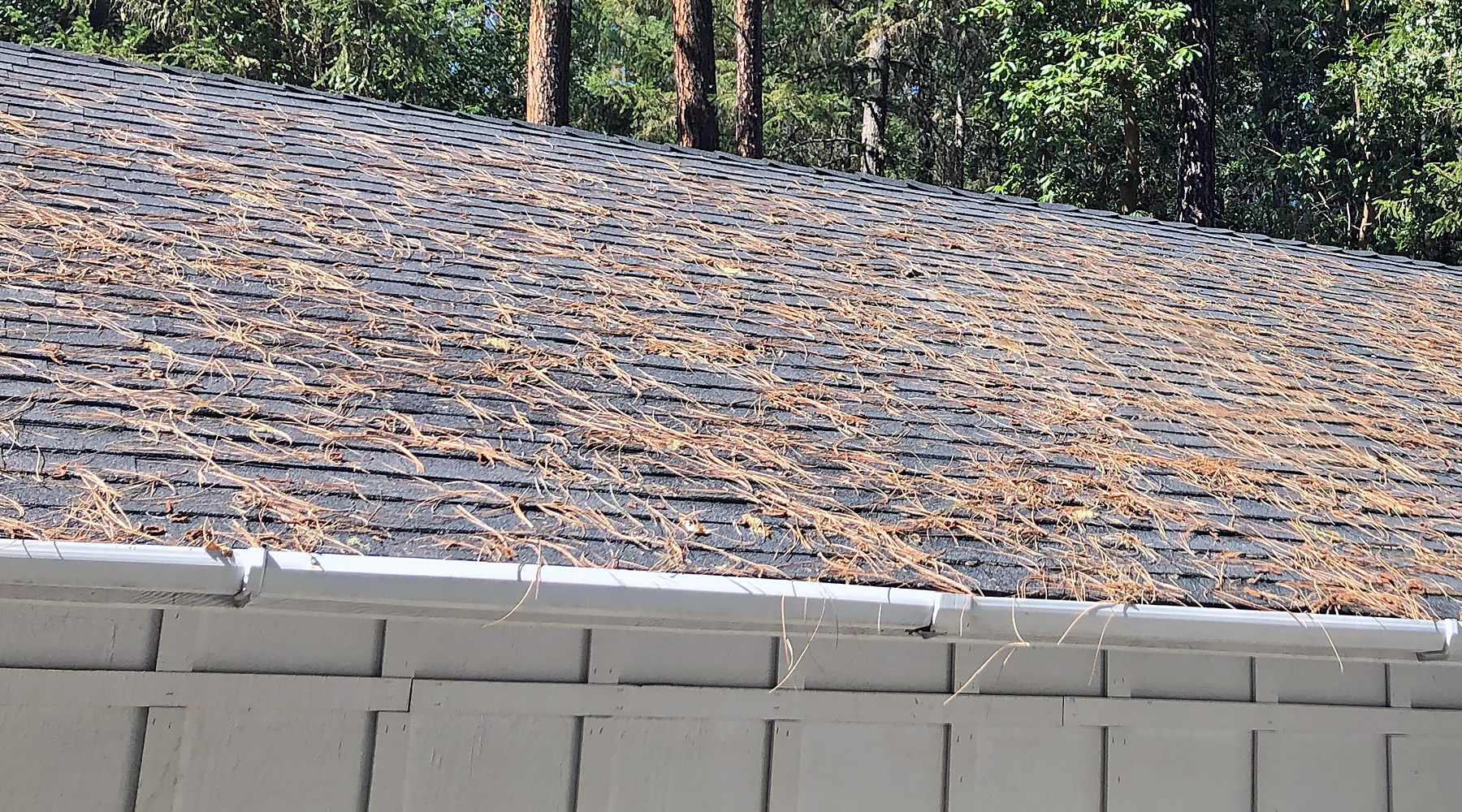
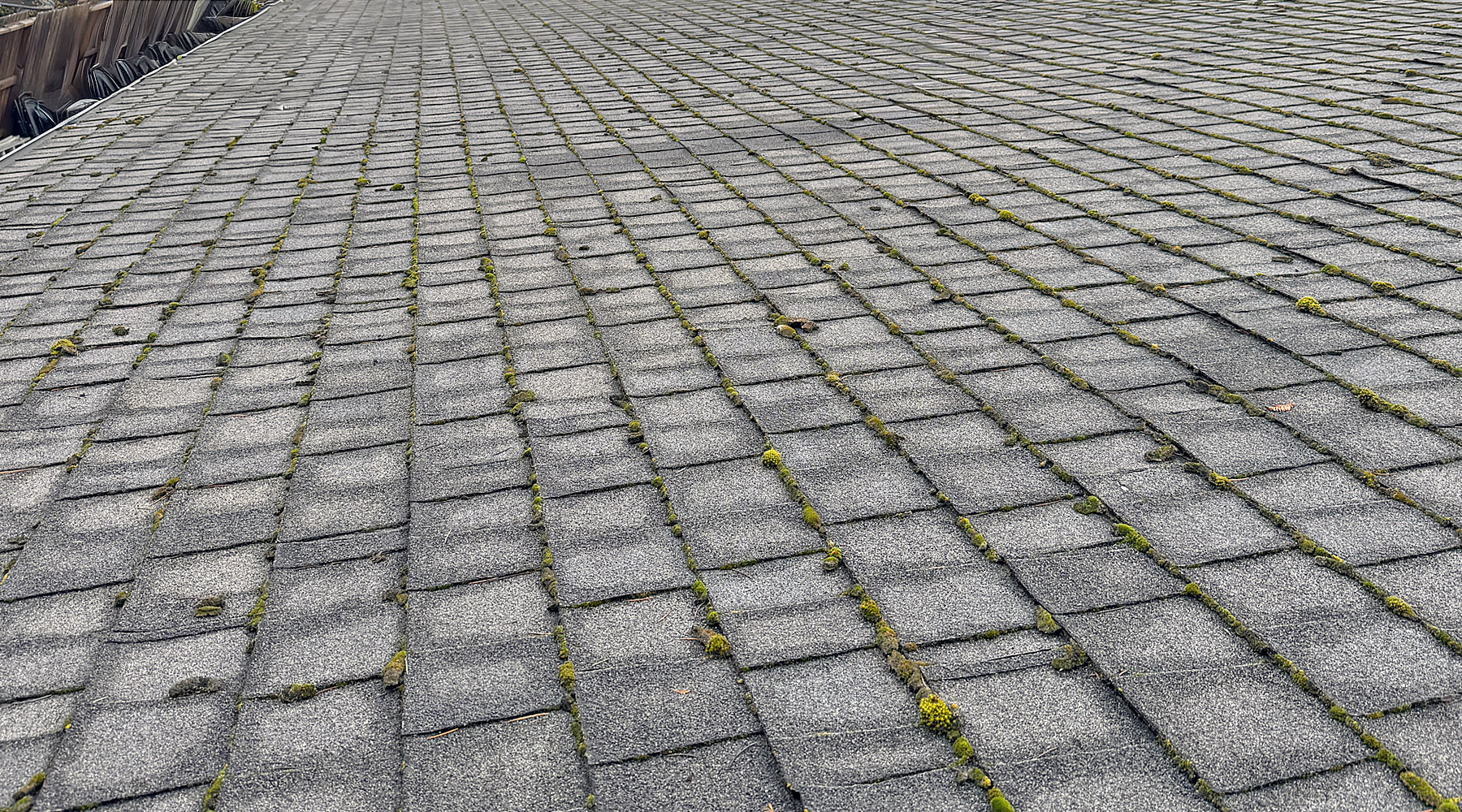
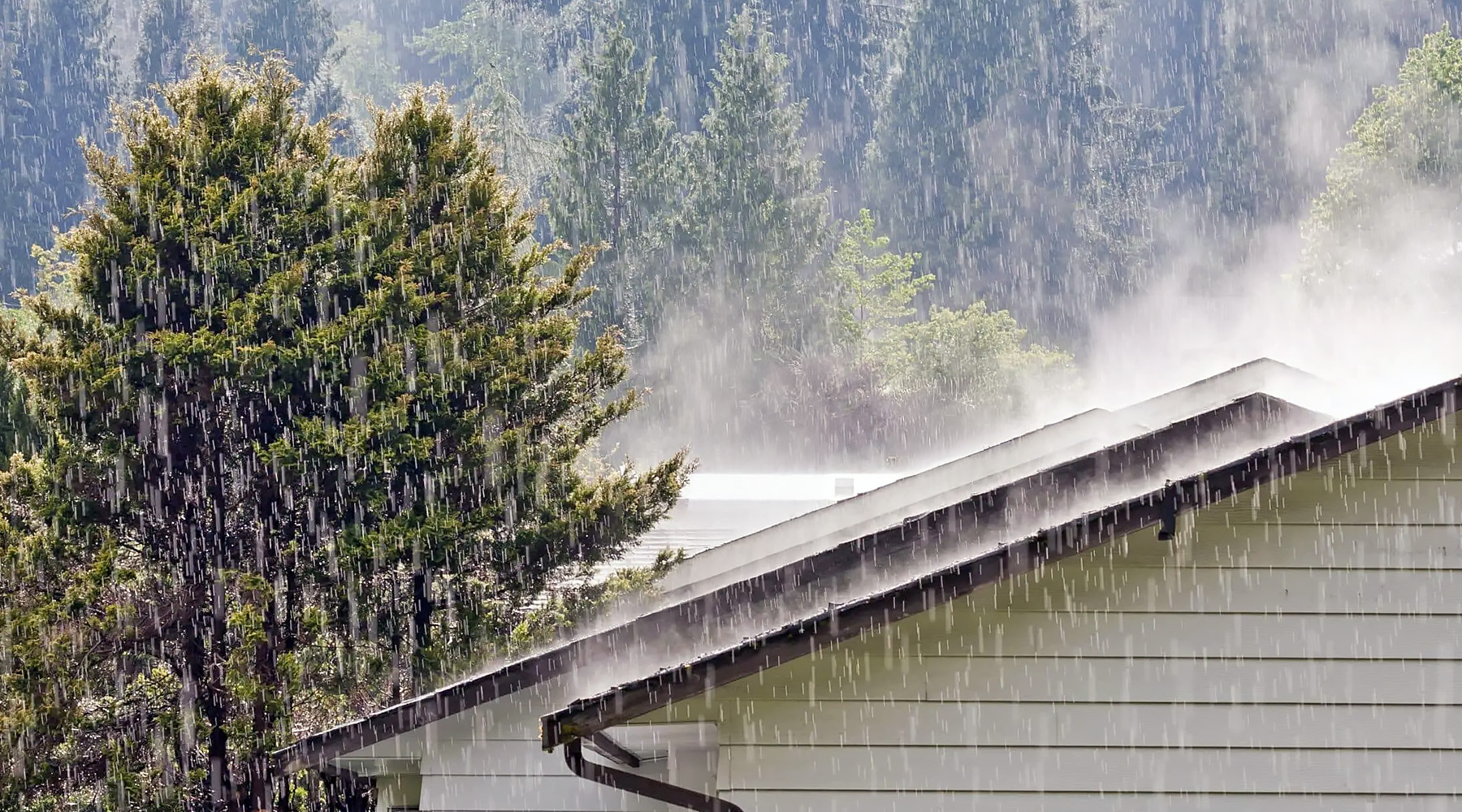
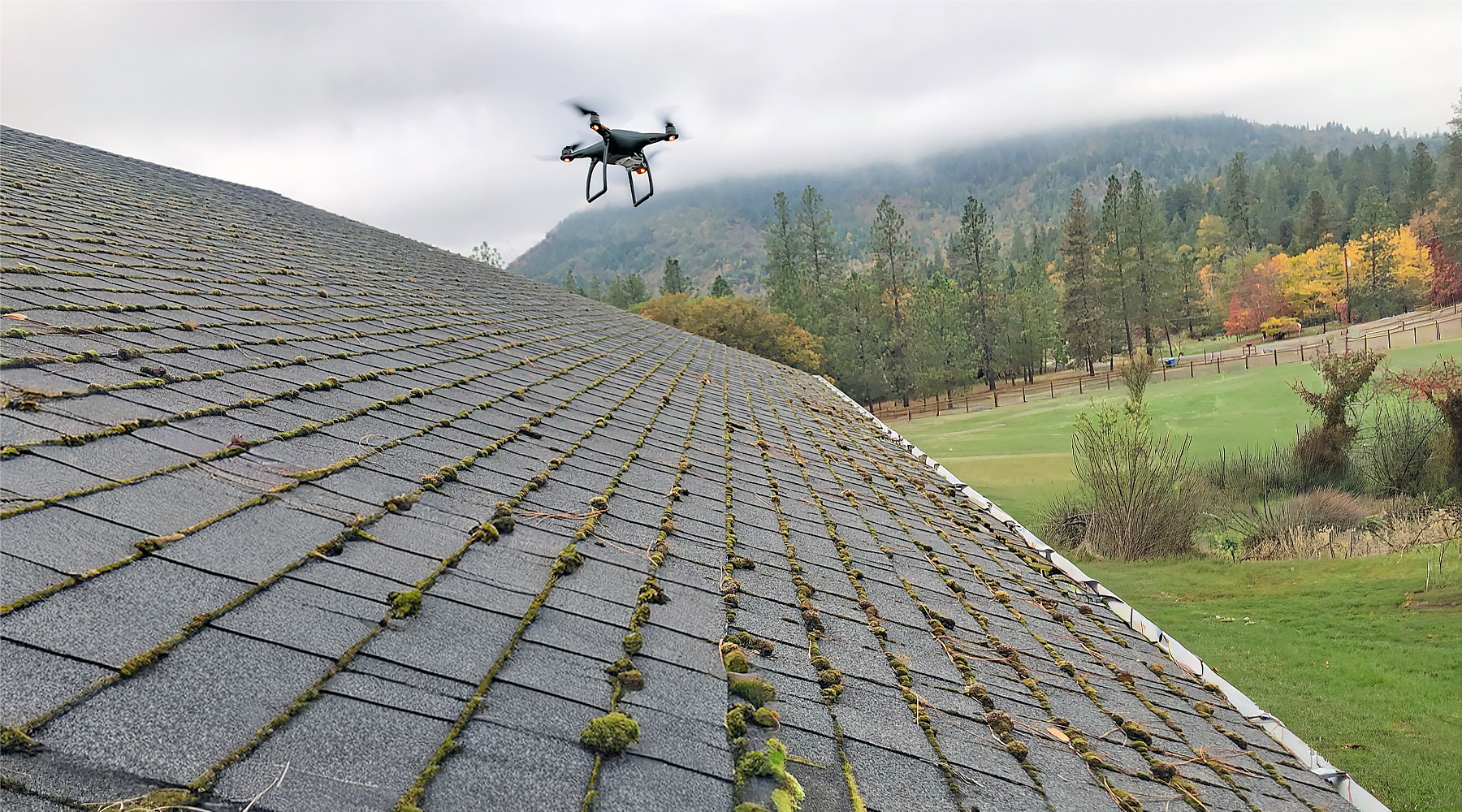
Recommended Reading
If you only read a few things, start with these.
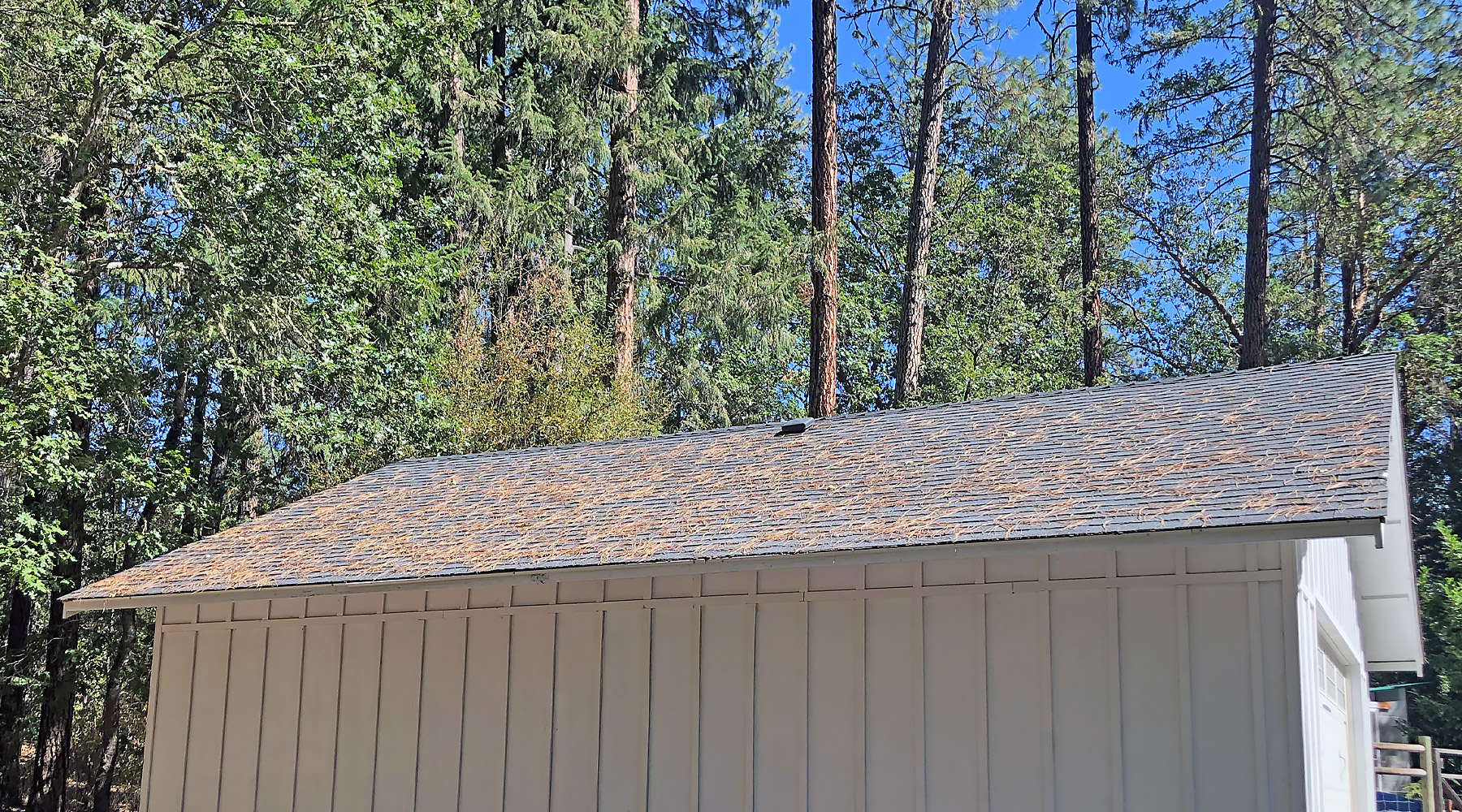


What “Roof-Safe Cleaning” Means (and What to Avoid)
A roof-safe plan isn’t about “blasting everything off.” It’s about cleaning in a way that doesn’t trade appearance for shingle damage.
- roof-safe work usually includes
- a quick condition check (valleys, flashing lines, brittle shingles, edge lifting)
- debris management (valleys and transitions where moisture stays trapped)
- method choice based on roof material + age + severity
- clear expectations about what improves immediately vs after rain
- prevention steps when they actually fit the roof (not as a surprise upsell)
Common Red Flags (and What to Look Out For)
- “pressure wash shingles” as the default plan for asphalt roofs
- aggressive scraping across the shingle surface
- no discussion of valleys, flashing, or roof condition
- vague “cleanup” definitions (what’s included vs excluded)
- unrealistic guarantees like “the moss will never come back” under a tree canopy
If you want the clearest comparison of what each method does (and where it goes wrong), start here: Roof Cleaning Method Comparison
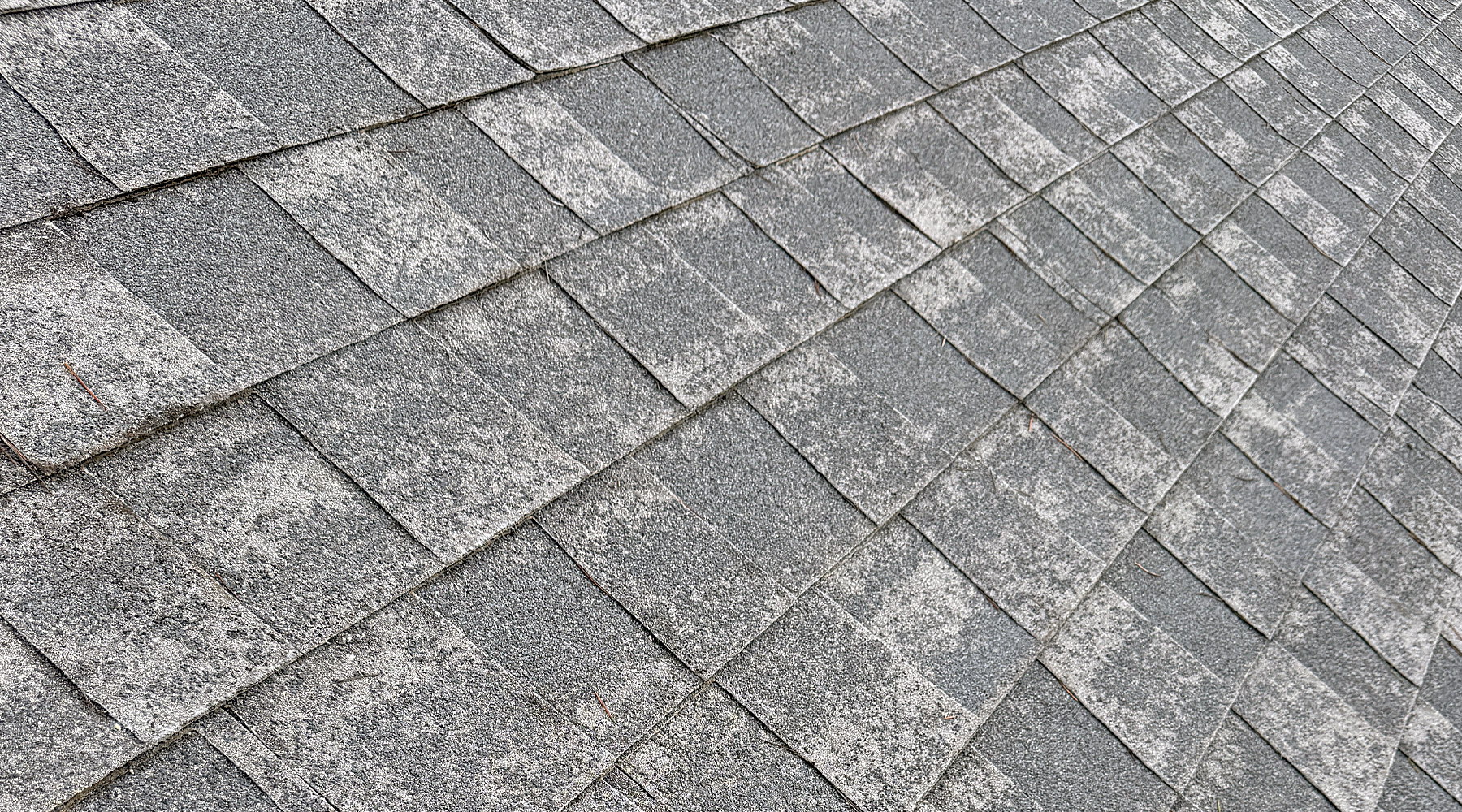
What Affects Roof Cleaning Cost
Prices vary because roofs vary. The biggest drivers are usually:
- roof pitch, height, and access (setup and safety)
- moss severity (especially valley thickness and debris complexity)
- roof material and age (brittle shingles require a gentler plan)
- cleanup scope (what “cleanup” means — and what it doesn’t)
- optional prevention steps presented as add-ons (not surprises)
If you want a practical breakdown of pricing drivers:
Cost to Get a Roof Cleaned (Southern Oregon)

Don’t Pacick (If Your Roof Was Flagged by Insurance)
Being flagged doesn’t always mean your roof is “failed.” It often indicates that moss was detected and that the insurer wants proof it’s being addressed.
The best approach is:
- document condition (photos)
- choose a roof-safe method (avoid visible damage)
- keep the invoice/method notes for proof
Start here:
Drone Roof Inspections: Why Insurers Are Flagging Mossy Roofs
Find local help (Oregon)
If you’d rather not guess, use the Roof Moss “Find Local Help” pages to understand what to ask and what to avoid:
Roof Moss Help (Southern Oregon)
(As we expand coverage, we’ll add a dedicated “Find Local Help” page for roof cleaning and maintenance that isn’t moss-specific.)
FAQs
-
It depends on shade exposure, debris load, and how quickly the roof dries. A roof under tree canopy typically needs attention more often than a roof with full sun and good airflow.
-
The best window is usually when you can safely work and the roof can dry well afterward — and before moss regrowth accelerates in wetter months.
-
As a default approach, it’s often a red flag. The risk is stripping protective granules and shortening shingle life. Method choice matters more than most people realize.
-
It can, depending on the method. Roof-safe cleaning aims to reduce buildup without damaging shingles, flashing, or sealant lines.
-
Don’t panic. Document the roof, choose a roof-safe plan you can prove, and avoid methods that create visible damage.
-
Pitch/height/access, moss severity (especially in valleys), roof material/age, and what cleanup includes.