Retaining Wall Drainage Basics: What Prevents Blowouts And Bowing
Key Takeaways
Most retaining wall failures start with water pressure, not the wall blocks themselves.
A wall needs a way to collect water, relieve pressure, and discharge it safely—especially during long wet stretches.
“Drain rock behind the wall” only works if it stays separated from soil and has a real outlet path.
The most common blowout pattern is blocked drainage + saturated backfill + no escape route.
If the wall is already moving, cracked, or leaning, treat it as a safety/structure issue, not a weekend drainage project.
What Usually Causes Retaining Wall Bowing And Blowouts
In simple terms, retaining walls fail when the soil behind them becomes a heavy, wet mass and starts pushing. Water adds failure risk in three ways:
- Hydrostatic Pressure: trapped water pushes hard against the wall face.
- Saturated Soil Weight: wet soil weighs more and acts like a heavier, more forceful mass.
- Erosion And Piping: water finds paths through/under the wall, carrying fines and creating voids.
Most “surprise failures” I see happen after multiple rainy days, when backfill loses its ability to drain and pressure builds behind the wall.
The Three Jobs A Retaining Wall Drainage System Must Do
If you want a reliable wall, the drainage system has to accomplish three things (in this order):
1. Collect Water
Water behind a wall comes from:
- surface runoff from above (yards, slopes, hardscape)
- subsurface seepage moving laterally (common on sloped lots)
- roof runoff dumping near the wall
2. Relieve Pressure
Collected water must be able to enter a free-draining zone (often gravel) and reach a relief pathway.
3. Discharge Safely
This is the make-or-break step: where does the water go?
If there’s no safe outlet, the wall becomes a dam.
If there’s no safe outlet, the wall becomes a dam.
If you want the big-picture framework for thinking in “whole water paths” (source → flow → collection → discharge), start with Drainage And Water Control In Southern Oregon.
Drainage Components That Actually Prevent Failures
Before we get into specific parts, it helps to think about what a “good” wall is really doing behind the scenes: it’s creating a low-resistance path for water to move down and out, instead of building pressure in and forward. These are the core components that make that happen—starting with the backfill zone itself.
Free-Draining Backfill Zone
A drainage zone directly behind the wall provides a low-resistance path for water to move downward instead of pressurizing the wall face.
Separation Fabric (To Prevent Clogging)
Gravel doesn’t stay “free draining” if it gets packed with soil fines. A separation layer keeps the drainage zone from turning into concrete-like sludge over time.
A Collection Path At The Base
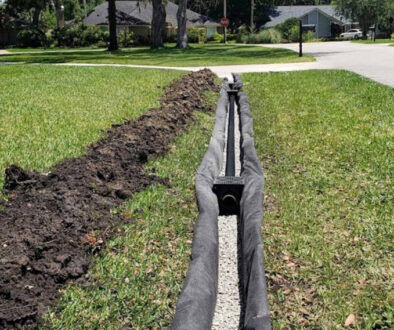
Most functional walls have a way to collect water at the bottom of the drainage zone and guide it toward an outlet path.
Weep Holes Or Outlets (Where Appropriate)
Weep holes can relieve pressure—but only if they stay clear and if discharge won’t create erosion or nuisance flow.
Surface Water Control Above The Wall
The best drainage behind a wall still struggles if you’re dumping surface water directly into the backfill.
The Most Common Failure Patterns I See
Pattern 1: “Drain Rock Was Installed, But It Still Failed”
Usually means the drainage zone is clogged with fines, or the system never had a real discharge route.
Pattern 2: Water Was Routed Toward The Wall
Downspouts or hardscape pitch send roof runoff into the backfill. The wall becomes the low point.
If roof runoff is feeding the backfill, start by fixing downspout discharge distance and routing so the wall isn’t acting like a collection basin.
Pattern 3: No Outlet, No Overflow Plan
The system collects water… and then stores it. Pressure builds during long storms, and the wall starts moving.
Pattern 4: Seepage From A Hillside Hits The Wall
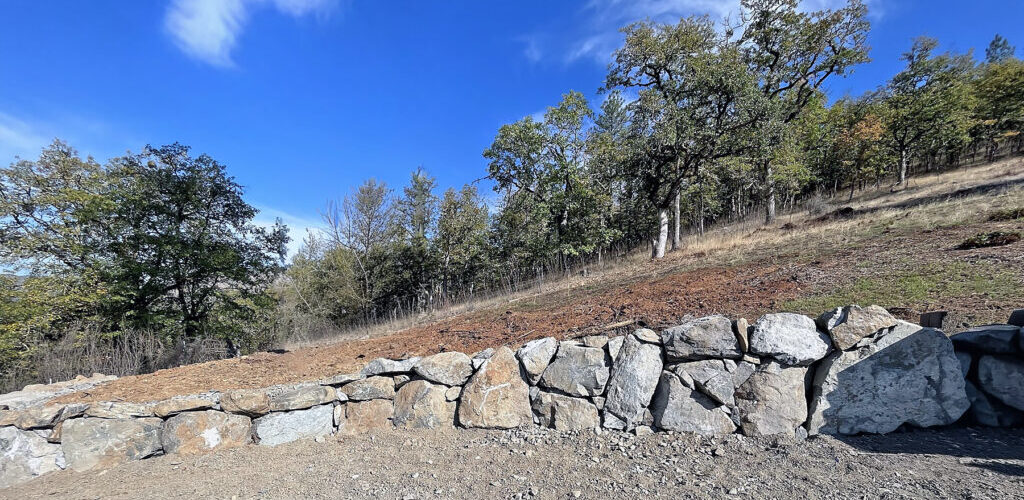
On sloped lots, subsurface seepage often finds the wall backfill and turns it into a saturated sponge.
How To Tell If Your Wall Has A Drainage Problem
Look for these field clues:
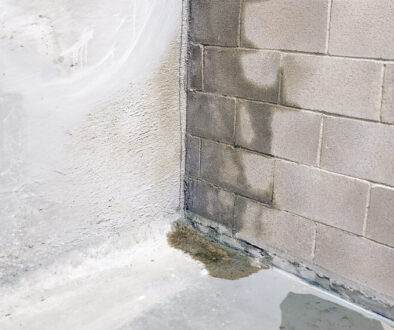
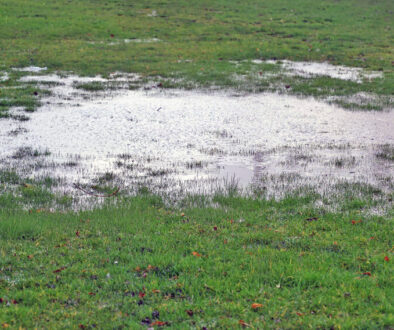
- wet soil or persistent mud at the base of the wall
- staining lines or mineral deposits on the wall face
- “weeping” through joints after rain
- soil settlement/voids behind the wall
- bulging, rotation, cracking, or separation at corners
- recurring washout or erosion below discharge points
If the wall is actively moving, treat it as a red flag (see below).
If you only see issues after multiple rainy days, that’s a classic hydrostatic pressure pattern.
The Quick Decision Test (Field-Friendly)
Use this before you spend money:
- If the wall is leaning, bulging, or cracking: prioritize safety + professional evaluation.
- If wetness persists 24–72 hours after the last decent rain, suspect subsurface seepage or clogged drainage (this is where surface vs underground drainage thinking helps).
- If you can see surface water flowing toward the wall, fix the surface routing first.
- If you can’t explain where water discharges during a hard storm, you don’t have a complete plan yet.
What Prevents Blowouts And Bowing (Practical Priorities)
If you only remember a few things:
Prioritize Surface Water Control
Keep roof runoff and hardscape flow from feeding the backfill. Fixing discharge routing often prevents the wall from being asked to do impossible work.
Keep The Drainage Zone From Clogging
Most “it worked for a few years” failures are slow clogs. The drainage zone must stay drainable.
Make Discharge Obvious And Durable
Hidden, unserviceable discharge is how problems become “mystery failures.” You should be able to explain and verify where water exits.
Don’t Rely On Weep Holes Alone
Weep holes relieve pressure, but they don’t replace a full plan—and they can create erosion if discharge isn’t managed.
When It’s A Red Flag
Bring in a pro when:
- the wall is leaning, bulging, or cracking
- you see separation at corners or step-downs
- the wall supports a driveway, building, or steep drop-off
- there are signs of undermining/voids behind the wall
- you suspect hillside seepage feeding the backfill
- you can’t identify safe discharge without sending water onto a neighbor or causing erosion
When To Call A Pro
It’s time when the “whole path” needs evaluation:
source → surface control → seepage pathways → backfill drainage → collection → discharge → erosion protection
That full chain is where wall projects succeed or fail.
Final Field Note
Retaining walls don’t “randomly” blow out—most give warnings. Water is the usual accelerator. If you control surface water, keep the drainage zone from clogging, and provide a safe discharge path, you dramatically reduce the odds of bowing and failure during long wet stretches.
FAQs
-
Most often: saturated backfill and trapped water pressure (hydrostatic pressure), sometimes combined with poor compaction or inadequate design.
-
Sometimes. Weep holes can relieve pressure, but they work best as part of a full drainage plan and need a safe discharge area.
-
Water builds pressure behind the wall when drainage is clogged or there’s no outlet path, especially after multiple wet days.
-
Sometimes—if the wall is stable and the issue is surface water routing or blocked outlets. If the wall is moving, treat it as a structural problem first.
-
Persistent wetness at the base, weeping through joints, staining, settlement behind the wall, and any bulging/rotation.
-
If the wall is leaning/cracked, supports a structure or driveway, shows voids/undermining, or you can’t confirm safe discharge.