Regrading vs. Drains (What Actually Fixes Water at the Foundation?)
Key Takeaways
If water is running toward the home, regrading is often the most permanent fix.
If the ground stays spongy for days, you may need a drain to intercept subsurface moisture.
A drain without a real outlet can behave like an underground holding tank.
Many “drain problems” are really roof water / downspout discharge problems first.
Best results come from fixing water in order: roof runoff → discharge → grading → then drains.
Foundation water problems rarely start at the foundation. They start with where water lands and how long the soil stays wet.
In Southern Oregon, long wet stretches followed by short heavy bursts mean small slope or discharge issues can keep perimeter soil saturated for weeks at a time.
From an inspector’s point of view, the biggest mistake I see is jumping straight to a drain because the yard is wet. Sometimes drains are the right tool — but in a lot of homes, the real fix is simpler: change the slope so water stops being invited to the foundation in the first place.
If you want the full system approach (roof runoff → discharge → grading → then drains), this guide lays it out clearly: Drainage & Water Control in Southern Oregon
What’s Actually Happening at the Foundation
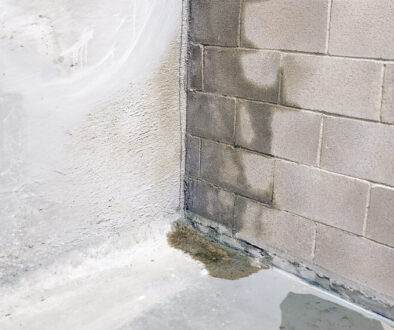
Water around a foundation causes trouble in two ways:
- Hydrostatic pressure (saturated soil pushes moisture toward the structure)
- Repeated wetting (materials stay damp longer, increasing rot/mold risk and encouraging settlement/erosion in the wrong places).
The fix depends on the source:
- Surface water (you can see it flow or pond) → often a grading/pitch issue
- Subsurface water (seepage/slow saturation) → often a drain/interception issue
Quick Field Test
If you can, check this during a steady rain or within an hour or two after it stops.
Signs it’s Mainly a Regrading Problem
- You can see water flowing toward the home
- Water runs off patios/walkways into the foundation line
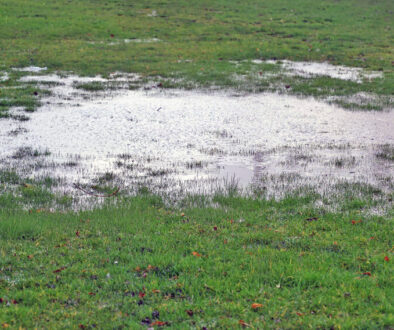
- Puddles form in the same surface low spot near the structure
- Mulch/soil washes or trenches form along the perimeter
Signs it’s Mainly a Drain Problem
- The yard stays wet 24–72 hours after rain
- You see a consistent “wet band” along a hillside or shaded side yard
- Seepage shows up from the upslope side even when surface runoff seems controlled
- Saturation returns even after you redirect obvious surface flow
Regrading (When It’s the Real Fix)
Regrading works when the issue is simple physics: water runs downhill — and right now, downhill ends at your foundation.
What “Good” Regrading is Trying to Achieve
- Positive slope away from the house
- No low bowls next to the foundation
- No hardscape pitching inward
- Water exits toward a stable area that won’t erode
Where Regrading Performs Best
- Perimeter beds built up too high against the siding
- Settled walkways/patios that now tilt toward the home
- Side yards that act like troughs and funnel runoff
- Visible surface flow paths aimed at the foundation
If you’re stuck between whether the issue is roof water or slope, this quick diagnostic helps: Is It a Grading Problem or a Gutter Problem?
Drains (When They’re the Better Tool)
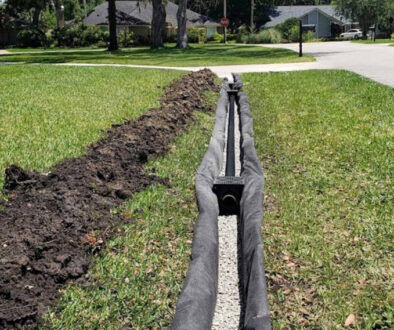
Drains work when water is moving through soil and lingering — not when the main issue is surface runoff that could be redirected by slope.
Where Drains Perform Best
- Persistent soggy side yards (especially shaded sides)
- Hillside seepage from the upslope side
- Saturation that returns even after surface runoff seems controlled
- Areas where you cannot reasonably change grade enough (tight access, hardscape constraints)
If your situation matches these patterns, start here: French Drains in Southern Oregon (Positives and Negatives).
The Most Common Mistake: Drains Before Discharge
A lot of “foundation water” is actually roof runoff being dumped at the footing.
If downspouts terminate too close to the house, you can install drains and still keep feeding the same wet zone.
Use this as the baseline for what proper discharge looks like: Downspout Drainage in Southern Oregon.
When Catch Basins Help (and When They Don’t)
Catch basins and area drains can be great for surface pooling — but they’re not a substitute for proper slope or roof discharge control.
If your issue is “water collects right here every storm,” this is the best use-case guide: Catch Basins & Area Drains (Where They Work Best Around Southern Oregon Homes).
Fixes in the Right Order (Lowest Cost to Highest)
Before you spend money on trenching or drains, start with the highest-volume water source: the roof.
A surprising number of “foundation drainage” complaints are really overflow, clogged runs, or downspouts dumping in the wrong place — and those are usually the cheapest corrections to make.
- Confirm gutters are functioning (no overflow, clean flow)
- Fix downspout discharge (distance + direction + stable outlet)
- Correct grading / hardscape pitch (positive drainage away from the home)
- Add surface collection only where pooling is unavoidable
- Install drains only when subsurface saturation is confirmed
- If there’s no reliable outlet, plan a more engineered solution (often excavation)
When It’s a Red Flag
Take it more seriously when you see:
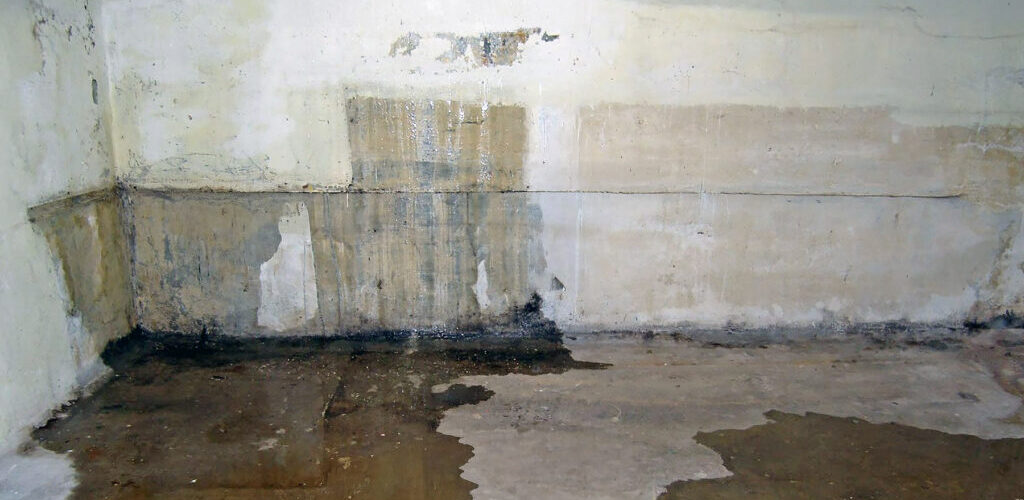
- Water repeatedly entering crawlspace/basement/garage
- Standing water against the foundation long after storms
- Erosion undermining slabs/walkways or hardscape edges
- Sudden new cracks or sticking doors after wet season
- Musty crawlspace air that persists after discharge + grading corrections
If you’re seeing persistent dampness indoors or musty conditions, the EPA’s moisture/mold basics are a useful reference point: EPA mold guidance.
When to Call a Pro
From an inspection standpoint, bring in help when:
- Regrading impacts retaining walls, slabs, or foundation exposure
- You need trenching through hardscape or tight access areas
- You’re considering a pump system (adds failure points)
- There’s no clear outlet and you need a discharge plan that won’t erode or create neighbor issues
- You want documentation for recurring moisture concerns (resale/insurance)
Final Field Note
Most foundation water problems aren’t solved by “more drains.” They’re solved by changing where water goes every time it rains.
Start by controlling roof runoff and discharge, then correct the slope so the yard stops feeding the foundation. When the right fix requires reshaping grade, trenching long runs, or building a stable outlet, that’s where proper excavation and site prep becomes the difference between a temporary patch and a long-term correction.
FAQs
-
Not always. If the main issue is surface flow toward the home, regrading is often the most permanent fix. If the soil stays saturated for days due to seepage, drains may be necessary.
-
Yes — and on some properties, that’s the right combo: redirect surface runoff first, then intercept subsurface seepage where it persists.
-
Most failures come down to no real outlet, insufficient slope, clogging from sediment/debris, or tying in roof water without proper filtration and cleanouts.
-
Roof water leaves clues: downspout splash zones, overflow staining, and saturated soil directly below discharge points. Yard water leaves flow paths, pooling, and inward pitch issues.
-
Confirm downspouts discharge away from the home and that surface slope doesn’t push water back toward the foundation. Those two fixes solve more “foundation water” complaints than people expect.