
Roof Moss Removal in Southern Oregon (Safe Options & What to Ask)
Moss is common here, but the right fix depends on your roof’s condition, how shaded it is, and how thick the growth has become.
This page is meant to help you avoid shingle damage, understand what a roof-safe approach looks like, and request a local evaluation if you prefer not to DIY.
Request a Local Evaluation
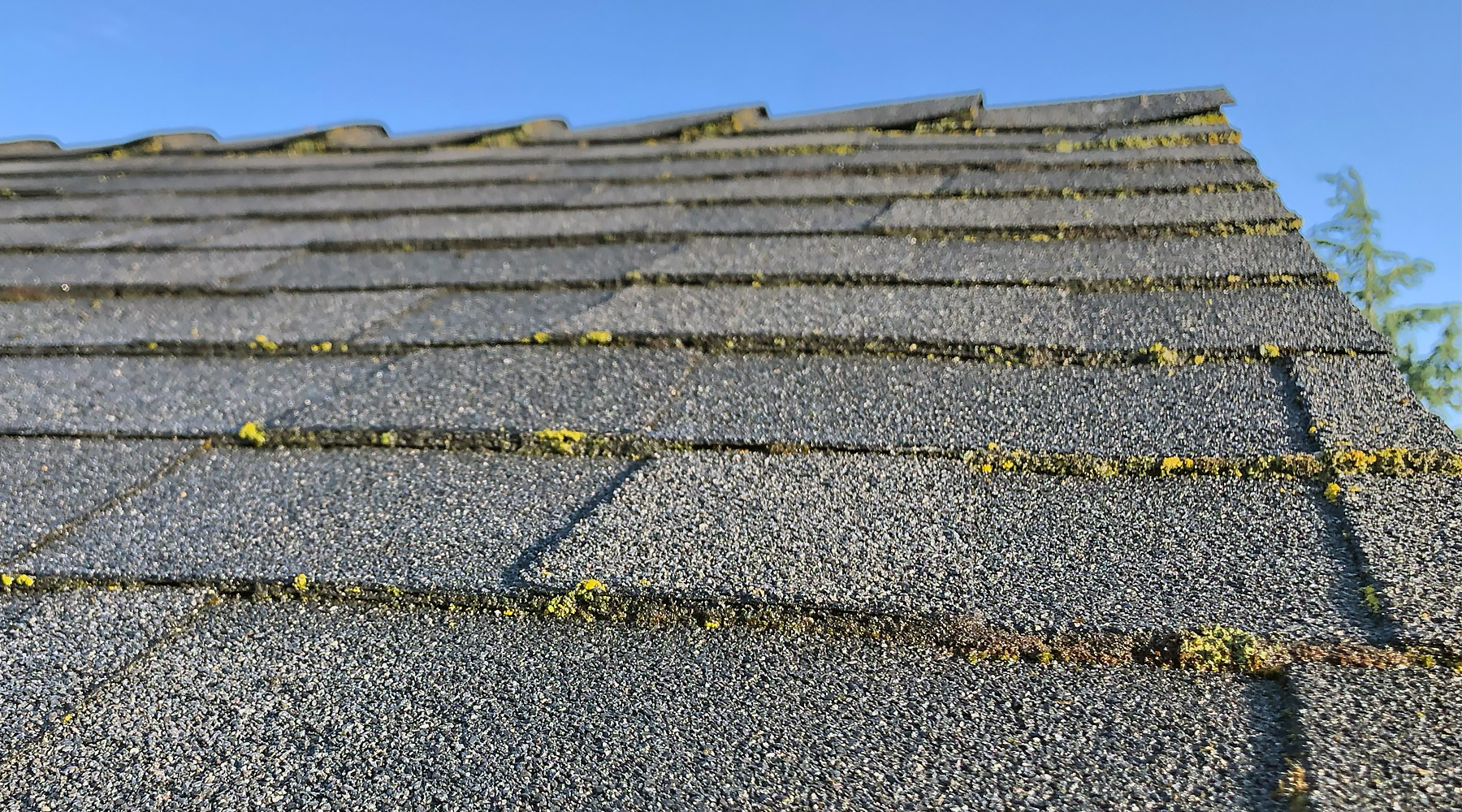
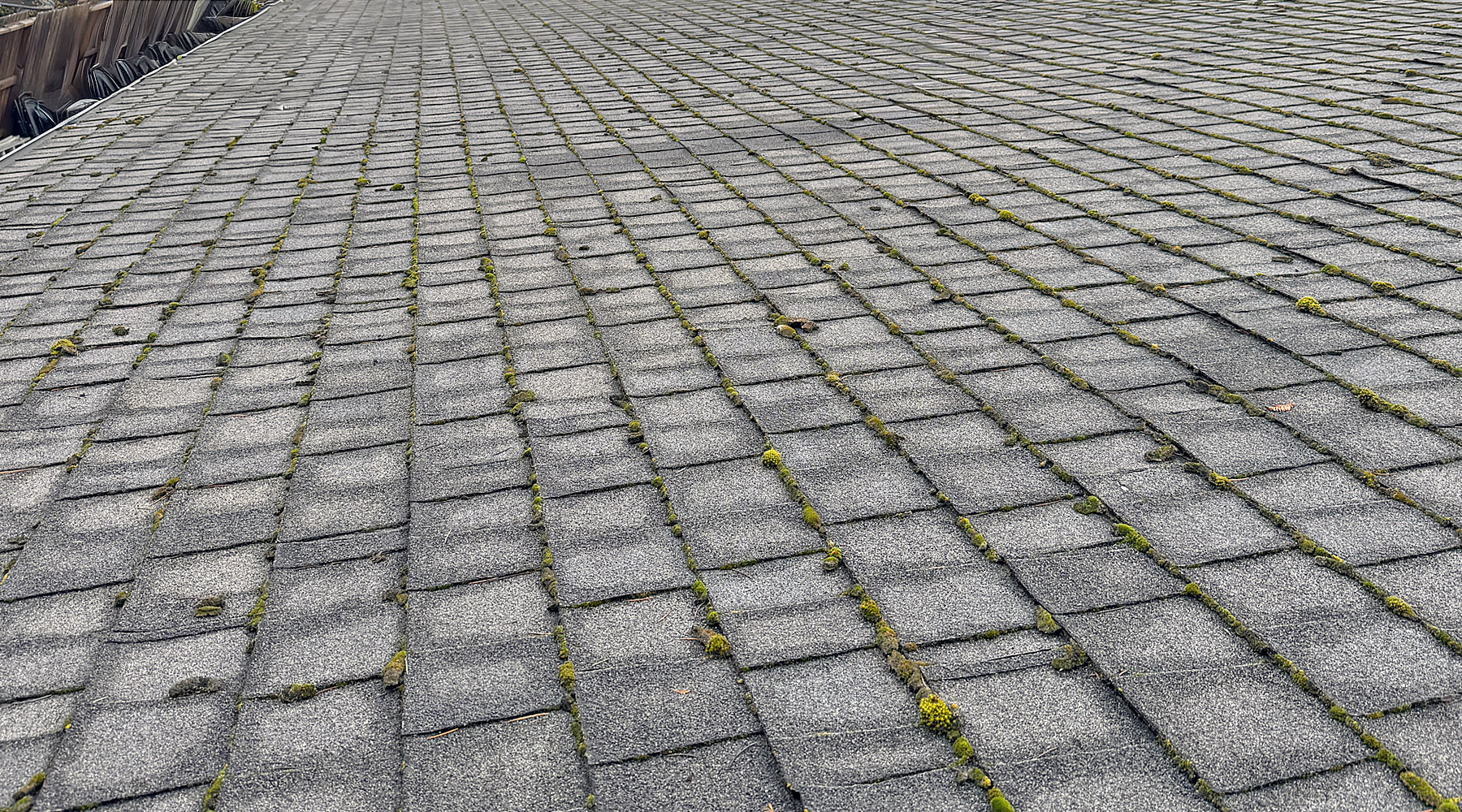
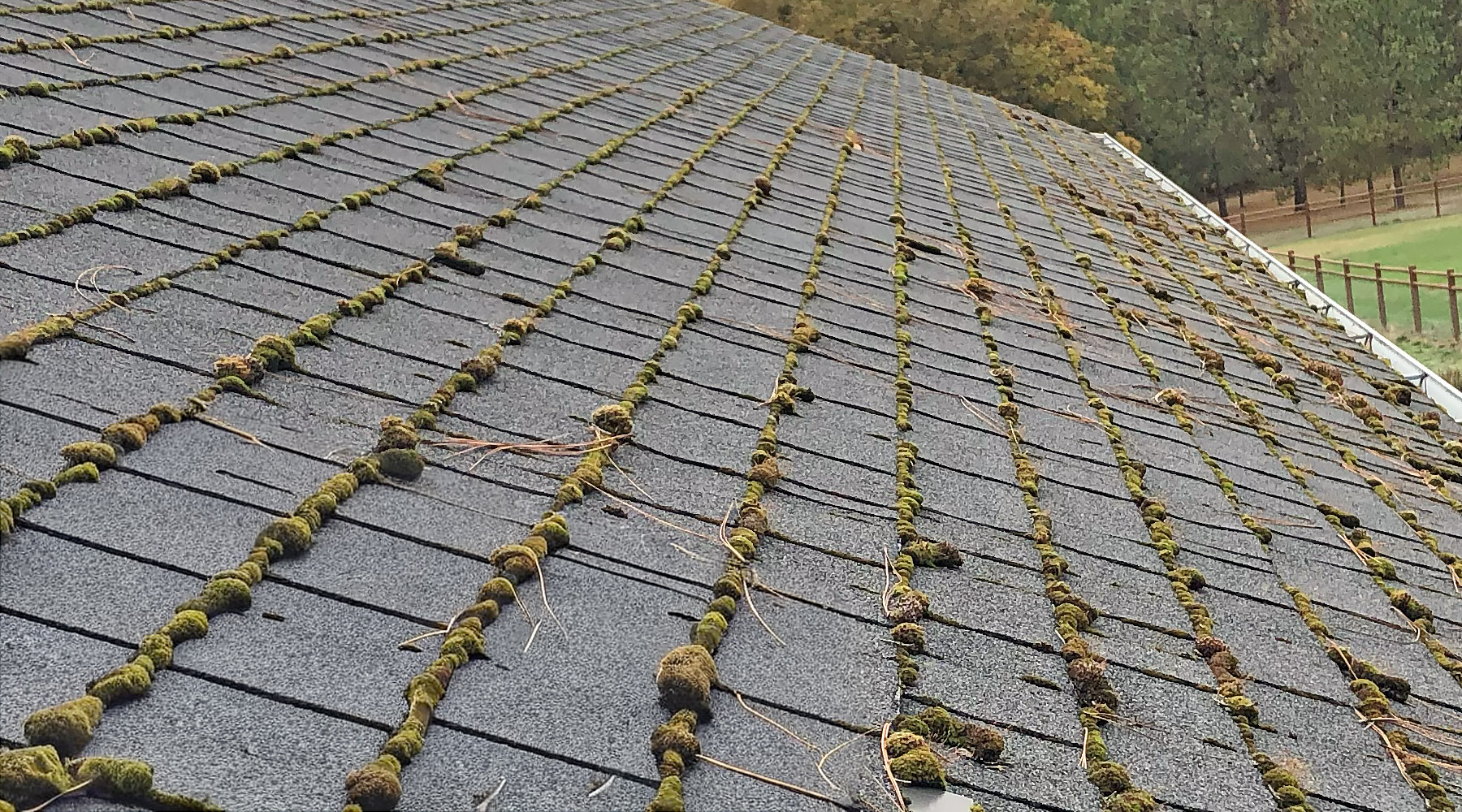
Red Flags
- “Pressure wash shingles” as the default plan for asphalt roofs
- Hard scraping across the shingle surface
- No discussion of valleys, flashing, or roof condition
- No explanation of products/treatment approach
- Unrealistic “it’ll never come back” guarantees (especially under tree canopy)
- One-size-fits-all pricing with no context (unless stated as a rough estimate)
Roof-Safe Moss Removal (What a Quality Job Usually Includes)
Good moss removal is less about “getting it spotless today” and more about protecting shingles while reducing regrowth. A roof-safe job typically includes:
- A quick condition check (valleys, flashing lines, brittle shingles, obvious edge lifting)
- A removal approach that minimizes granule loss (not aggressive scraping across the shingle surface)
- Debris management in valleys and transitions (where moss often hides and moisture stays trapped)
- Clear expectations about appearance (what looks better immediately vs after rain)
- A prevention plan when it makes sense (especially on shaded roof sections)
If you’re comparing approaches, here’s a plain-English rundown of roof cleaning methods (soft wash vs pressure washing vs manual removal)—and why method choice matters more than most people realize.
What a Legitimate Quote Should Include
Quotes vary, but a fair one usually mentions the factors that actually change the plan. Look for:
- Roof type and roof height/pitch considerations
- Moss severity and valley complexity
- Method clarity (treatment-only vs removal + treatment)
- Cleanup scope (debris handling, what “cleanup” means, what’s excluded)
- Any optional prevention steps presented as add-ons, not surprises
As a rule, the more shaded and debris-prone the roof, the more important it is that the quote explains why the approach was chosen — not just the price.

Request a Local Evaluation
If you’d rather not deal with ladders or guesswork, you can request a local evaluation here. A couple of photos (even taken from the ground) help confirm the safest approach for your roof type and moss severity.
No pressure: This is just to get you pointed in the right direction. If it turns out your roof only needs light maintenance, you’ll be told that too.
Helpful photos: Please provide one wide shot of each roof side you can see, plus a closer shot of any valleys or thick growth areas.
After you submit: You’ll get a follow-up based on what you shared and what’s most roof-safe for your roof type. If you didn’t upload photos, you can send one later.
Typical next step: You’ll get a reply with what approach makes the most sense for your roof type and severity, plus what to watch out for when comparing quotes.
Recommended Reading (So You Don’t Get Upsold)



FAQs
-
Often, yes — especially if moss is thick, sitting in valleys, or causing edge lifting. The goal isn’t “perfectly clean,” it’s reducing moisture retention and preventing accelerated wear.
-
It depends on shade, debris, and roof drying time. Under tree canopy, moss can return faster unless the underlying conditions are improved (trimming, debris control, maintenance cadence).
-
It can, depending on the method. Aggressive pressure washing and harsh scraping are common ways shingles lose granules early. A roof-safe approach aims to reduce moss without stripping protective granules.
-
Many are, when applied correctly and with basic precautions. A good operator will explain what’s used and how they protect plants and runoff areas.
-
Fast regrowth usually means the roof stays shaded and slow-drying, debris is collecting in valleys, or the “prevention” step didn’t match the conditions. It’s typically fixable — but it may require a maintenance plan rather than a one-time clean.
Final Field Note
Moss usually isn’t an overnight emergency — but the wrong removal method can shorten shingle life fast. The safest long-term plan is simple: reduce the conditions moss loves, remove it carefully, then prevent quick regrowth.