
Gutter Maintenance in Southern Oregon (& How to Hire Safely)
Gutters look simple, but most “gutter problems” are really about where water is going, and what it’s doing on the way there.
This page is meant to help you avoid hidden damage (fascia, siding, foundation), understand what a solid cleaning job includes, and let you request a local evaluation if you prefer not to DIY.
Request a Local Evaluation
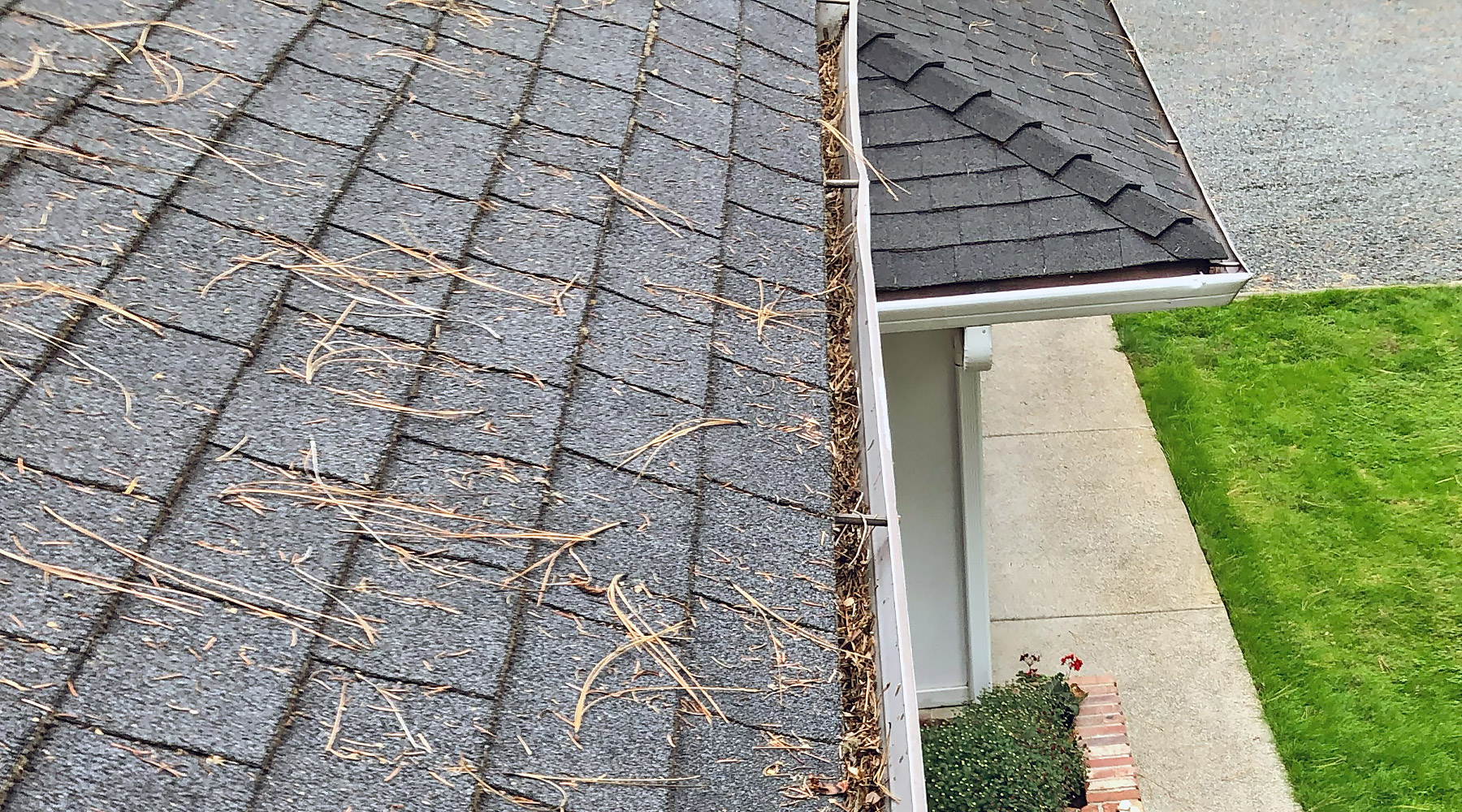
Likely Just Cleaning
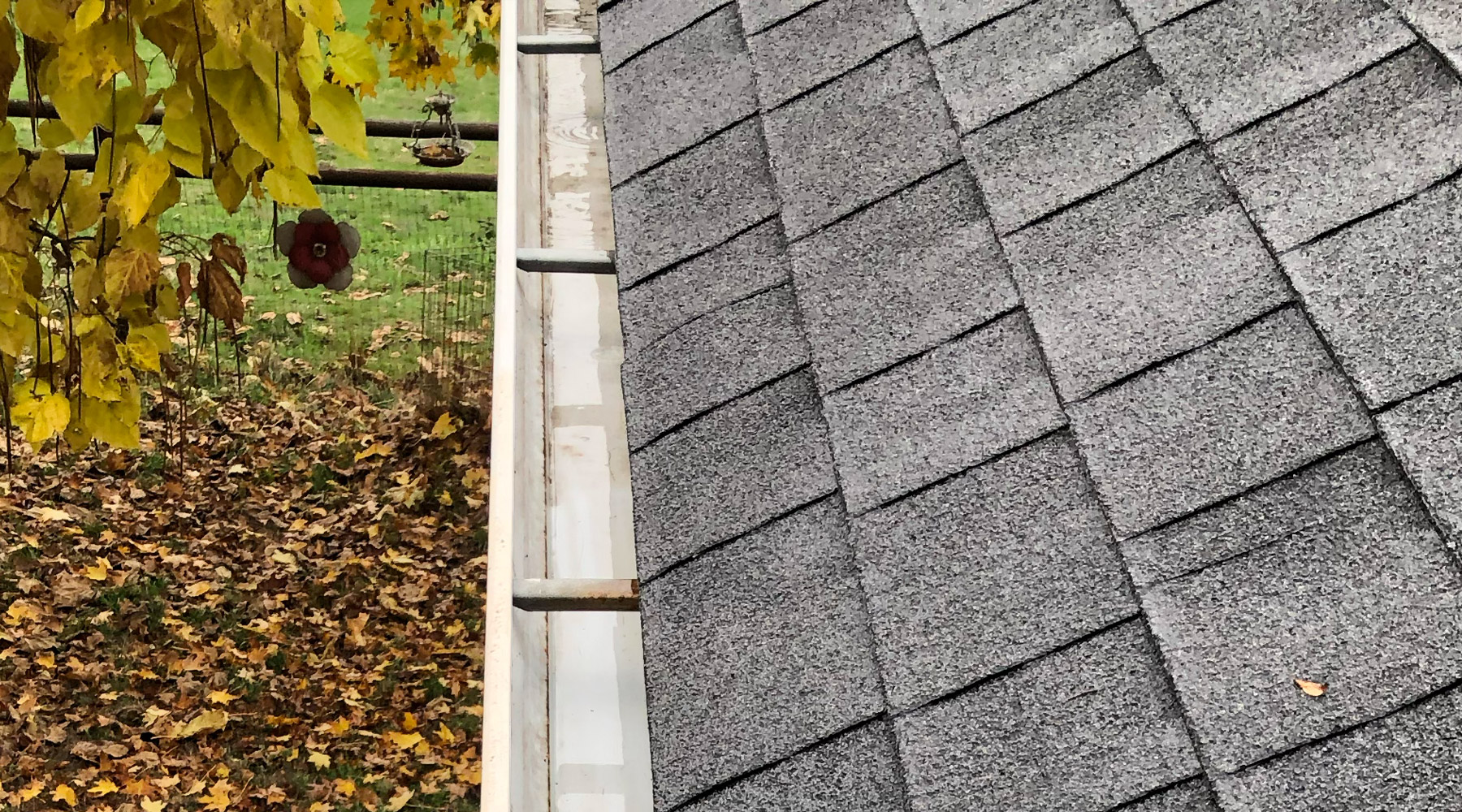
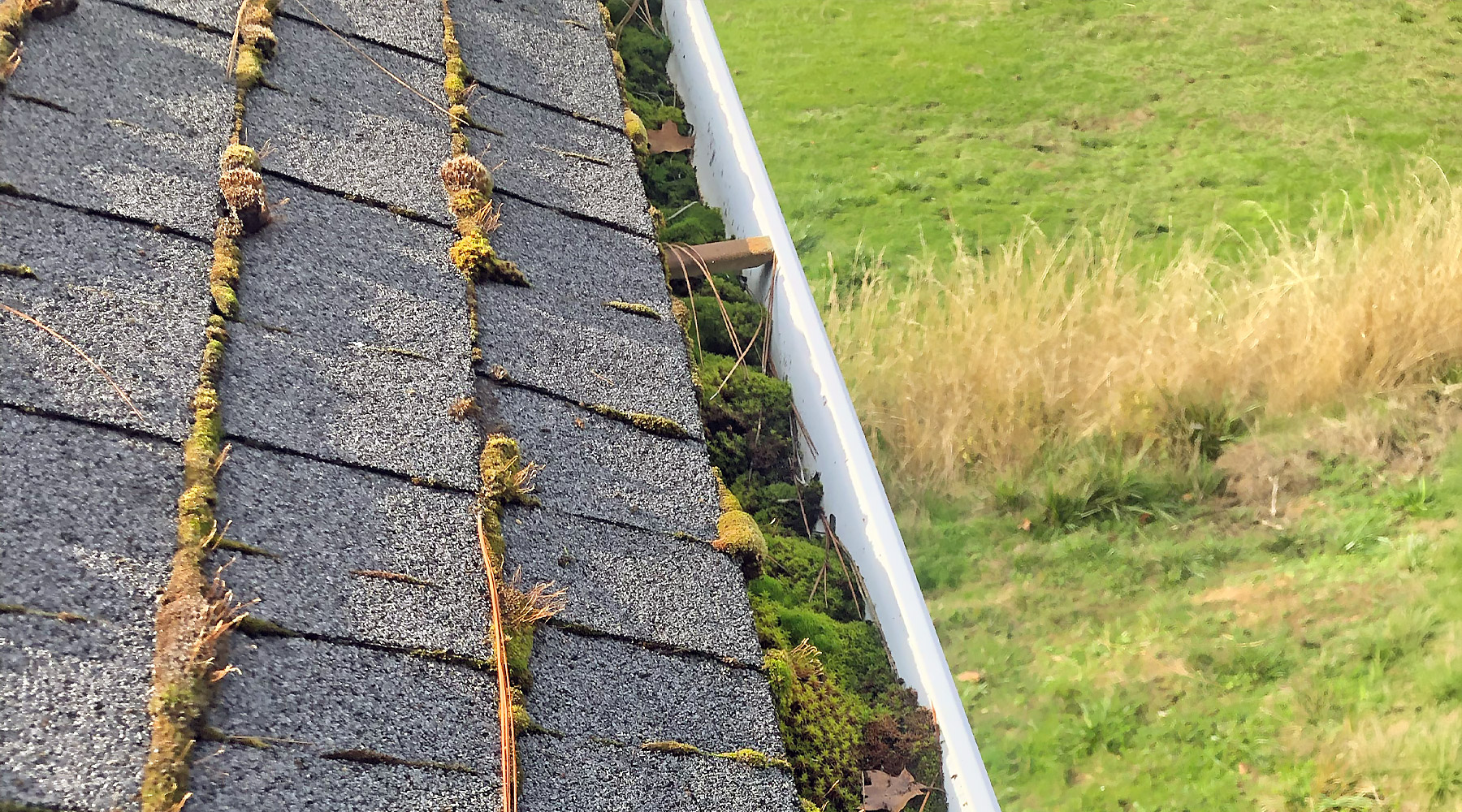
Visible debris, plants growing, overflow during moderate rain, water spilling over the lip
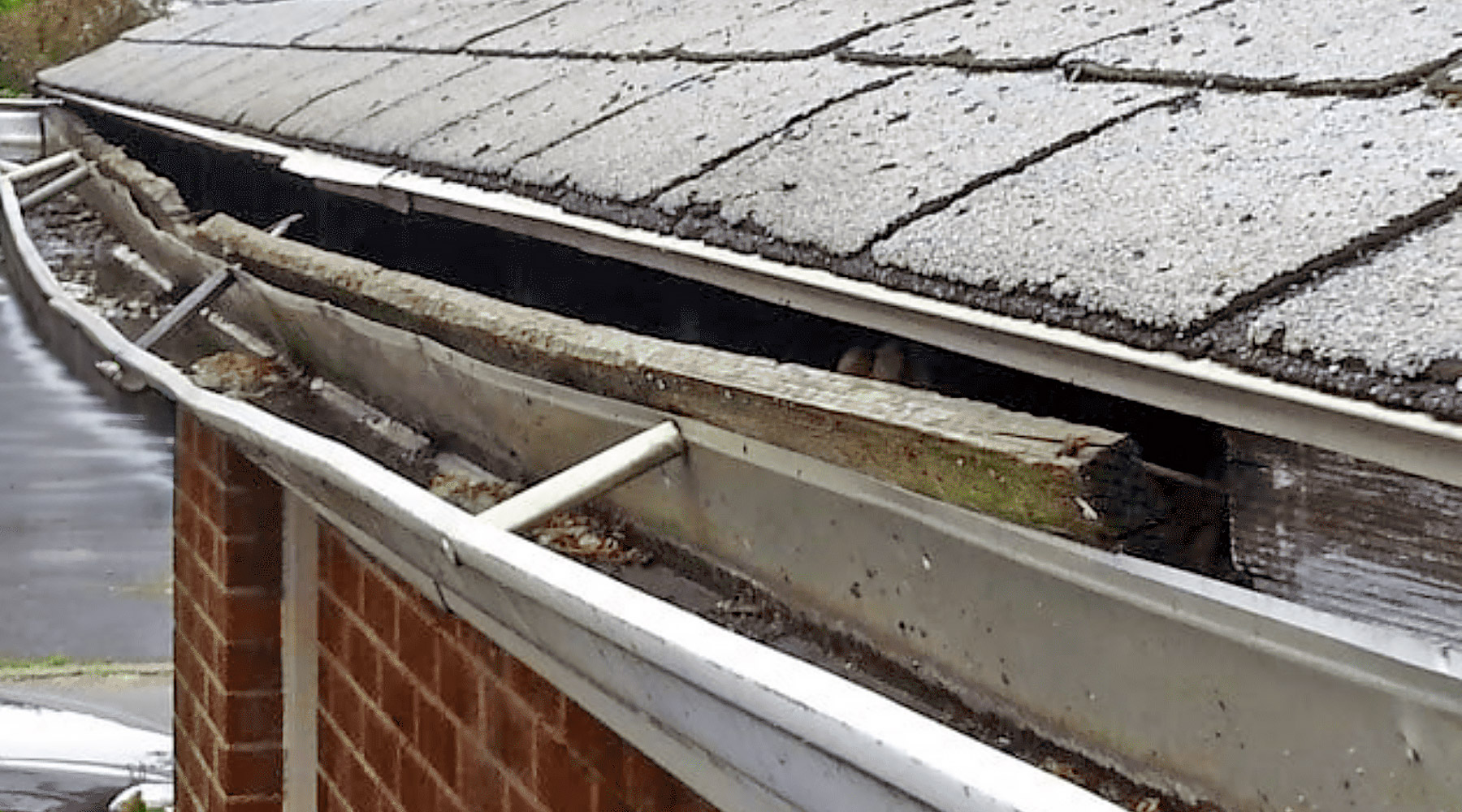
Possible Repair Issue
Sagging sections, leaking seams, loose brackets, constant overflow even after cleaning
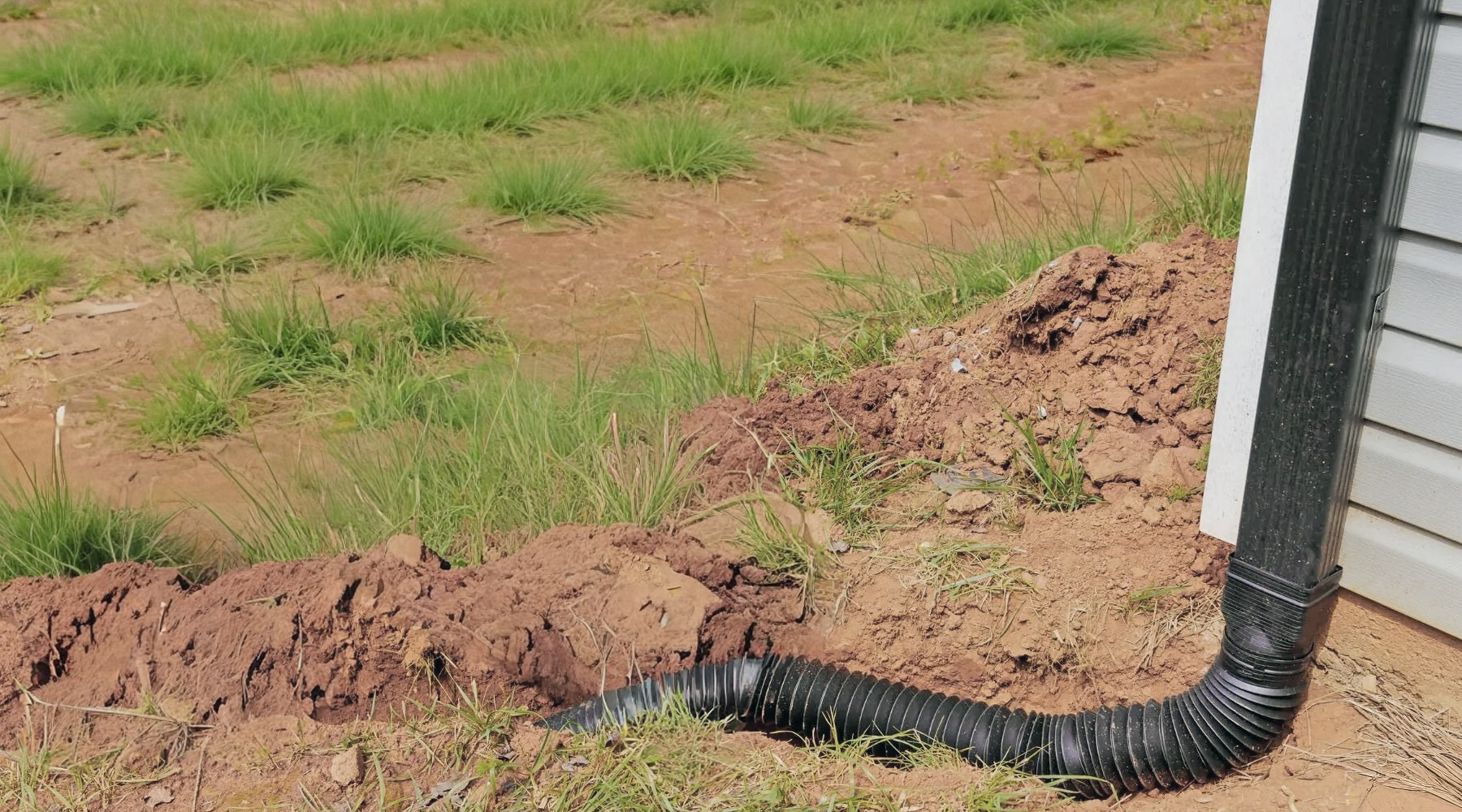
Possible Drainage/Outlet Issue
Water is “handled” by the gutters, but it dumps too close to the house or can’t discharge properly
Red Flags
- “Blow it out with a leaf blower” as the entire plan (especially with wet debris)
- No mention of downspouts/outlets or flow verification
- Rushing ladders/roof access without basic safety practices
- Upselling guards as a universal solution without discussing your roof/trees
- Claiming damage isn’t a big deal when overflow signs are obvious
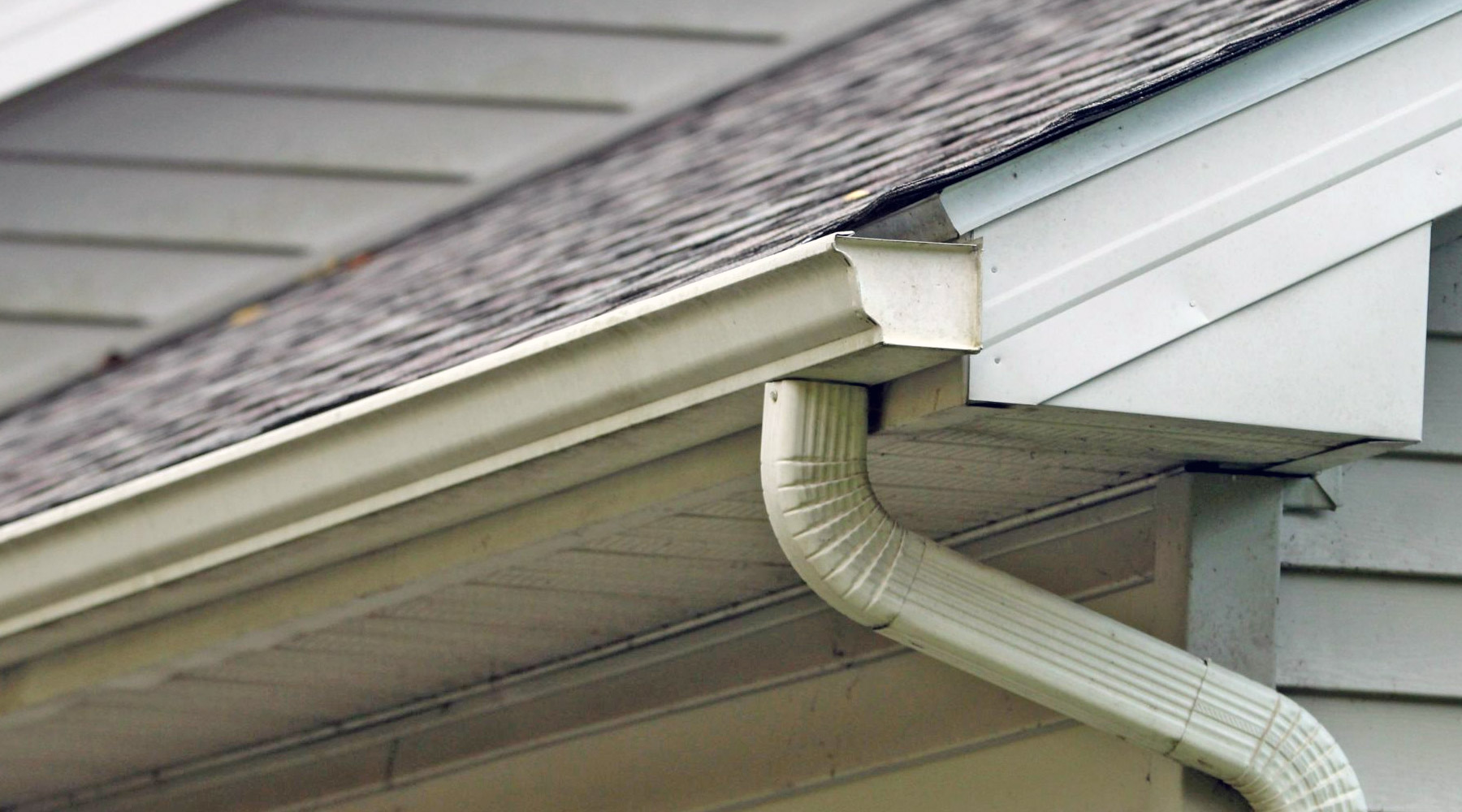
Safe & Effective Gutter Cleaning (What a Quality Job Usually Includes)
A good cleaning isn’t just scooping debris—it’s making sure the system can actually move water the way it’s supposed to.
A solid job typically includes:
- Full debris removal (including roof valleys near gutter lines when accessible)
- Downspout/outlet checks (not just “looks clear”)
- Flow verification (at least a basic test to confirm water moves through)
- Basic visual check for loose hangers, pitch issues, seam leaks, and sagging sections
- Cleanup expectations (where debris goes, what gets rinsed, what doesn’t)
If you’re planning seasonal maintenance, this checklist can help you time it well: Southern Oregon Fall Gutter Maintenance Checklist.

What a Legitimate Quote Should Include
Prices vary, but a fair quote usually reflects the factors that actually change time and risk:
- Home height / access (single vs multi-story)
- Gutter length and debris load (needles vs leaves matters)
- Downspout complexity (elbows, buried lines, multiple outlets)
- Condition issues (sagging, leaks, tight rooflines, guards installed)
- Cleanup scope (bagging/haul-off vs onsite disposal)
If you want a realistic overview of what actually moves price, this breakdown helps: The Cost of Gutter Cleaning in Southern Oregon (What Actually Impacts Price).
Request a Local Evaluation
If you’d rather not deal with ladders or clogged downspouts, you can request a local evaluation below. A couple of photos help quickly confirm whether you’re dealing with simple cleaning, a repair issue, or a drainage/discharge problem.
No pressure: This is just to get you pointed in the right direction. If it looks like a simple cleaning, you’ll be told that too.
Helpful photos: Please provide one photo along a gutter run, one of any overflow stains/sagging, and one of the downspout discharge area (where the water exits).
After you submit: You’ll get a follow-up based on what you shared and what’s most likely to fix the issue. If you didn’t upload photos, you can send one later.
Recommended Reading (So You Don’t Get Upsold)




FAQs
-
It depends on tree cover and roof debris. Homes under pines often need more frequent cleaning than homes with minimal canopy. If you’re unsure, start with a seasonal baseline and adjust based on how quickly downspouts slow down.
-
Not usually. Guards can reduce large debris, but many still allow fine material through—or create new clog points at the outlets. They can help in some setups, but they’re not automatic “set it and forget it.”
-
No. Overflow can come from pitch issues, undersized gutters, blocked outlets, or discharge restrictions. That’s why a quick diagnosis is often more useful than repeated cleanings.
-
Yes. Overflow can soak fascia/soffits, stain siding, and drive water toward foundations over time—sometimes before you notice anything obvious indoors.
-
Buried lines can work well, but they’re also harder to verify. A good operator will confirm water is actually moving to the discharge point and flag slow-flow issues early.
Final Field Note
Most gutter damage doesn’t happen because gutters are “dirty”—it happens because water is overflowing or discharging in the wrong place for long periods. The safest plan is simple: keep flow moving, verify outlets, and fix pitch/attachment issues before they become rot.