How Long Does Moss Treatment Last? (and Why It Comes Back Early)
Key Takeaways
-
A good moss treatment often lasts 1–3+ years, but shade and debris can shorten that window.
-
“Treatment” can mean different things (e.g., treatment-only vs. removal + treatment), and results vary widely.
-
Moss usually comes back early because the roof stays shaded, slow-drying, and debris-loaded.
-
The biggest mistake is treating moss without fixing the conditions that keep the roof wet.
-
Prevention steps (such as zinc/copper strips) are most effective when the roof is already kept relatively clean and dry.
Moss treatment is one of those things that can work really well — or feel like it “did nothing” — depending on what was treated, how shaded the roof is, and whether the underlying conditions changed.
In Southern Oregon, a good treatment plan often buys you multiple seasons of a cleaner roof surface, but it’s not a one-and-done solution for every roof. Here’s what typically determines how long results last, what “early regrowth” actually means, and how to set expectations realistically.
What “Moss Treatment” Means
Homeowners often hear “we treat it” as if it’s one standard thing. In reality, there are two common approaches:
1) Treatment-Only
Kills Moss, Doesn’t Remove All Growth Immediately
In other words, it may look “unchanged” at first, but the goal is to stop growth and let weather/time do part of the removal.
- The goal is to kill moss/algae so it loosens and breaks down over time.
- The roof may not look “fully clean” right away.
- This can be roof-safe when done properly, but the timeline is slower.
2) Removal + Treatment
Removes Bulk Growth, Then Treats What Remains
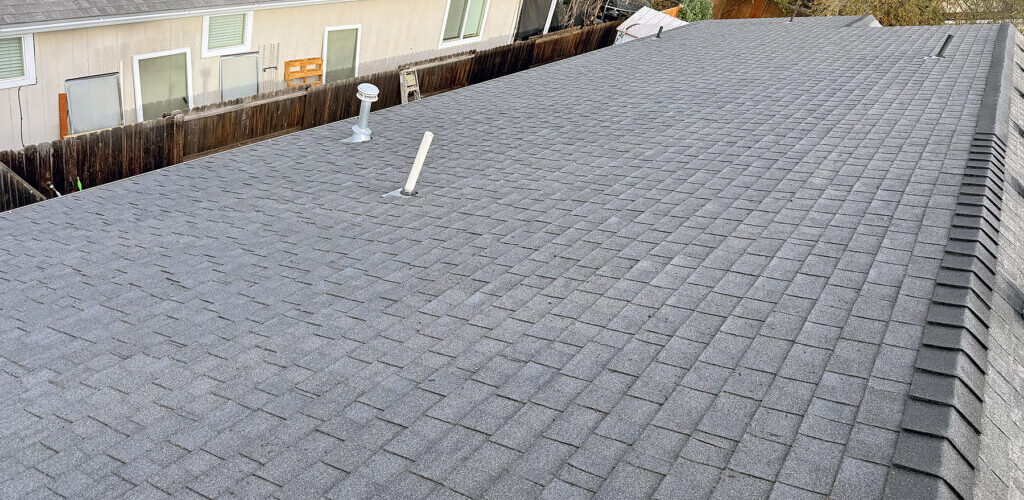
- The goal is immediate improvement plus longer-term control.
- This tends to look better sooner and reduce regrowth faster if debris and shade are addressed.
The important point: When people say “it came back,” sometimes it never fully died — it just stayed visible, or debris stayed in place and protected it.
How Long Does Moss Treatment Last?
There’s no universal number, but here’s a practical field range for Southern Oregon:
Typical Expectation Ranges
- Shaded / Under Canopy / North-Facing: often 1–2 years before noticeable return
- Mixed Sun + Seasonal Debris: often 2–3 years
- Full Sun + Clean Roof Lines: often 3+ years (sometimes longer)
That doesn’t mean the roof is “moss-free” forever — it means it stays in the manageable zone where moss doesn’t become thick mats or spread aggressively.
Why Moss Comes Back Early
When moss returns quickly — say within 6–18 months — it’s usually not because the product “didn’t work.” It’s because the roof stayed a perfect habitat.
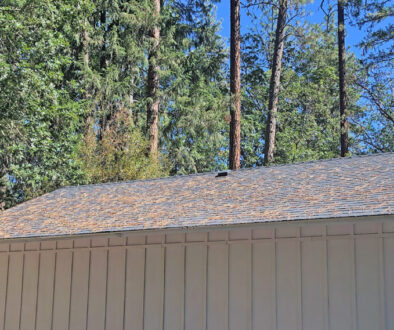
1) The Roof Stays Shaded and Slow-Drying
Moss thrives where roofs don’t dry out. Common culprits:
- tree canopy
- north-facing slopes
- tight valleys / low airflow sections
- roofs near creeks or consistently damp microclimates
If you want the “why” behind this pattern, here’s a quick breakdown of why roof moss grows so fast in Southern Oregon—it mostly comes down to shade, slow drying, and debris that holds moisture in place.
2) Debris Stayed In The Valleys And Transitions
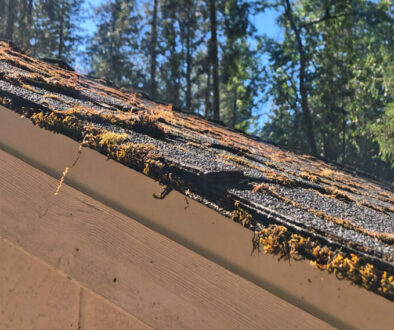
Needles and leaves trap moisture and give moss a protected place to restart.
- valleys are the #1 repeat-offender zone
- lower courses near gutters are another
If debris wasn’t cleared, treatment is fighting uphill.
3) Treatment Was Applied, But Bulk Growth Wasn’t Addressed
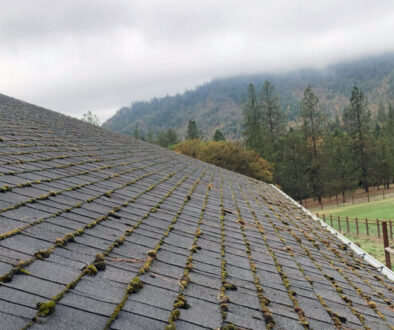
If thick mats remain:
- the outer layer may die, but the mass stays wet
- spores can re-establish in the same “sponge” zone
- homeowners interpret “still there” as “came back”
4) Wrong Method / Wrong Expectations
Some methods are too weak for heavy growth; others are too aggressive and damage shingles.
If you’re comparing approaches (or getting wildly different recommendations), this overview of roof cleaning methods (soft wash vs pressure washing vs manual removal) helps explain why the “method” often matters as much as the product.
5) No Prevention Step (Or Prevention Doesn’t Match The Roof)
Zinc/copper strips can help, but they’re not magic:
- they work best on roof layouts where runoff carries the metal ions down the roof surface
- they don’t overcome heavy shade + constant debris by themselves
If you’re considering strips, here’s a practical comparison of zinc vs copper strips for moss prevention—and where each option tends to work best.
What “Normal” Return Looks Like vs a Red Flag
Not all regrowth means the treatment “failed.” On many Southern Oregon roofs, the first hints of green returning are simply the roof telling you it’s shaded or slow-drying — the key is whether it stays minor, or starts accelerating.
Usually Normal
- faint green film starts reappearing in a few shaded spots
- small patches return first in valleys
- roof looks “mostly fine” for a while, then slowly worsens
Red Flags (Early Failure)
- noticeable regrowth across large areas within one wet season
- thickening mats returning quickly in the same zones
- moss returns even after trimming and debris management
- roof is so shaded it never truly dries
If you’re seeing red-flag patterns, it may need a maintenance cadence rather than a one-time treatment.
If regrowth is happening fast, it may be time for a maintenance cadence rather than a one-time reset. Here’s a practical baseline for how often roofs should be cleaned in Southern Oregon, with adjustments based on shade and tree cover.
How To Make Treatment Last Longer (Practical Steps)
Most “failed” moss treatments aren’t really failures — they’re treatments applied to a roof that still stays wet and shaded. Before you think about products or prevention add-ons, start by changing the conditions that let moss thrive in the first place.
Tier 1: Fix The Habitat
These are the highest ROI steps:
- trim branches for sun + airflow
- keep valleys and transitions clear
- make sure gutters/downspouts aren’t causing edge dampness
Tier 2: Choose A Roof-Safe Approach For Your Roof Type
- avoid aggressive pressure on asphalt shingles
- avoid hard scraping across granules
- prioritize methods that reduce moss without stripping the roof surface
Tier 3: Add Prevention Where It Makes Sense
- zinc/copper strips near ridge lines can reduce future growth
- combine with debris control for best results
When To Call A Pro
It’s worth getting an evaluation if:
- moss is thick enough that the shingle definition is hard to see
- you see lifting edges or separation lines from the ground
- valleys stay packed with debris even after clearing
- the roof is older/brittle, and you’re worried about cleaning damage
If you’d rather not guess on a method, a roof-safe evaluation can confirm what approach makes sense for your roof type and slope.
Final Field Note
The best way to think about moss treatment is like weed control: it works best when you change the conditions that let it thrive. A good treatment can last years — but if the roof stays shaded, wet, and debris-loaded, moss is going to keep trying to move back in.
FAQs
-
Often 1–2 years before noticeable return, sometimes longer with debris control and trimming.
-
Not always. Many treatments kill growth first, and visible moss may loosen over time.
-
Usually shade + debris + slow drying, or heavy mats weren’t fully addressed.
-
They can help, especially when runoff carries ions across the roof, but they work best with debris control.
-
On asphalt shingles, it can shorten roof life by stripping granules. Method choice matters as much as the product.