How to Know if Your Gutters Need Cleaning or Repair (A Quick Diagnosis Guide)
Key Takeaways
-
If overflow improves immediately after a cleanout, it was likely a flow restriction—not a structural failure.
-
Repeat overflow in the same spot often points to pitch, sagging, seams, or hanger issues.
-
Standing water after rain is a strong sign that your gutter run isn’t draining correctly.
-
Downspouts can be the real choke point, even when the gutter run looks clear.
-
A quick diagnosis is usually enough to decide whether you need cleaning, repair, or both.
It’s easy to assume most gutter problems come down to one thing: debris. And sometimes that’s true—clear the buildup, restore flow, and everything works again.
But in Southern Oregon (especially after dry-season compaction and the first fall storms), plenty of “gutter problems” are actually structure problems: pitch that’s off, hangers that have loosened, seams that have separated, or a downspout outlet that keeps restricting flow.
This guide helps you quickly figure out whether you’re dealing with a cleaning issue or a repair issue—so you can take the right next step.
Cleaning vs. Repair: The Simple Difference
Cleaning removes debris so water can move through the system.
Repair restores function when something about the system isn’t working correctly—even when it’s clean.
A good way to think about it:
- If the issue is inside the gutter (debris), cleaning helps.
- If the issue is with the gutter (pitch, attachment, seams, outlets), repair helps.
If you’re not sure where to start, don’t overthink it: focus on where the water is escaping (front edge, seams, behind the gutter, or at the downspout). That single clue usually tells you whether you’re dealing with debris—or a system issue.
Quick Diagnosis: What You’re Seeing vs. What It Usually Means
Use this as a fast “symptom-to-cause” guide before you climb a ladder or start pulling debris.
Best time to check: during moderate rain (or right after). You’ll learn more in 60 seconds of real runoff than you will staring at dry gutters on a sunny day.
If You See This…
Overflow During Moderate Rain
- Often means: clogged outlet/downspout or poor pitch
- Next step: check discharge and look for standing water after rain
Overflow In One Spot Every Storm
- Often means: sag/low spot, hanger failure, or pitch issue
- Next step: inspect for pooling and gutter separation
Dripping At Seams Or End Caps
- Often means: seam separation, seal failure, or movement over time
- Next step: repair/reseal may be needed (cleaning won’t fix a seam)
Water Running Behind The Gutter
- Often means: loose hangers, fascia issues, or incorrect edge alignment
- Next step: inspect attachment points and fascia condition
Standing Water Stays In The Gutter After Rain
- Often means: pitch is off or a low spot has developed
- Next step: repair (re-pitch or re-hang) is usually required
Downspout Barely Runs Or “Dumps Late”
- Often means: outlet restriction or downspout clog
- Next step: confirm proper discharge and routing
See downspouts and drainage
Signs You Probably Only Need Cleaning
These usually improve right away after clearing debris.
Water Overflows Only During Heavy Downpours
If it only happens during the biggest storms—and your gutters otherwise drain normally—you may simply be seeing temporary overload due to leaf volume or outlet restriction.
You Can See Debris Packed In Corners Or Valleys
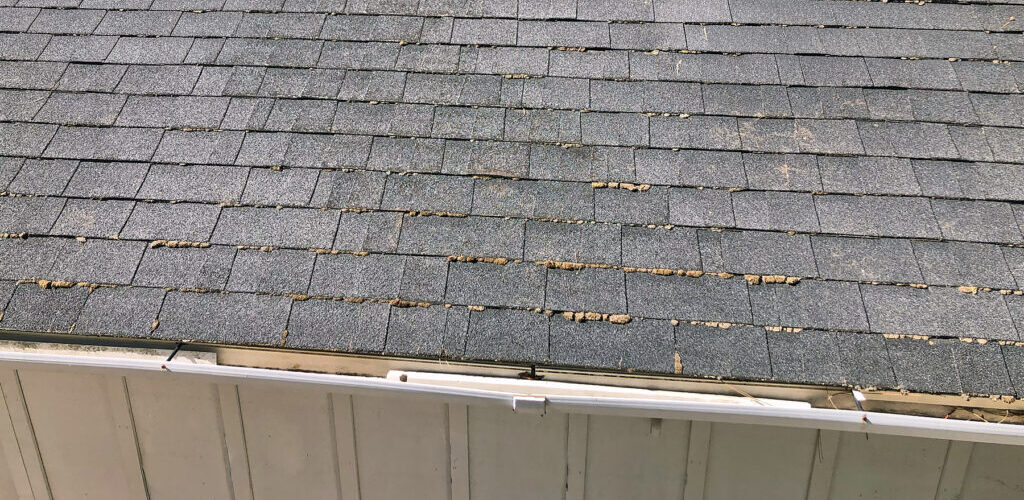
When the gutter is visibly loaded with needles, leaves, or roof grit, cleaning is the correct first move.
Downspouts Discharge Normally After Clearing The Outlet
If a downspout starts running strongly once the outlet is cleared, you likely had a simple blockage.
Signs You Likely Need Repair (Even If You Cleaned)
Sometimes cleaning restores flow—and the problem disappears. But if issues come back quickly (or never really go away), it usually means the gutter system has a structural weak point that debris is simply revealing.
If you want the bigger-picture symptom guide and next steps, your main breakdown of signs your gutters are failing covers what to look for across the whole system. Below, we’ll focus specifically on the repair signals that tend to show up even after a cleanout.
Overflow Keeps Returning In The Same Location
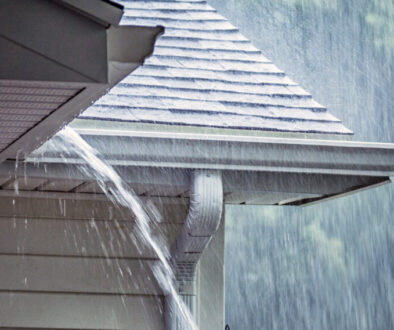
When overflow repeats at the same corner or section, it’s often a sign of a low spot, pitch issue, or attachment problem—not just debris. In other words, cleaning may help temporarily, but water will keep escaping at the system’s weak point.
Common clues include:
-
Overflow happens during moderate rain, not just big storms
-
The same corner splashes or stains the same spot below
-
Water appears to “wrap around” the gutter edge before spilling
If this is also causing water to dump too close to the house, it’s worth reviewing where runoff should go in your downspouts and drainage guide—because repeated dumping at the foundation line can create a separate set of issues.
Gutters Sag, Bow, Or Look “Wavy”
Sagging gutters usually mean the system has been under too much weight or stress for too long. That stress can come from debris buildup, standing water, or hangers that have loosened over time.
What it typically looks like:
-
A visible dip between hangers
-
A “wavy” line when you look along the gutter run
-
One section that holds water longer after rain
In Southern Oregon, this can be accelerated when dry-season debris compacts into dense mats—one reason how often you should clean your gutters depends so much on tree cover and storm timing.
Seams Drip Consistently
A seam that drips during normal rain is usually a sealing or separation issue—not a debris issue. Cleaning won’t restore a watertight connection if the joint has shifted or the seal has failed.
Clues it’s a repair situation:
-
Drips come from the same seam every storm
-
You see streak lines down the outside of the gutter
-
The seam leaks even when the gutter looks clear
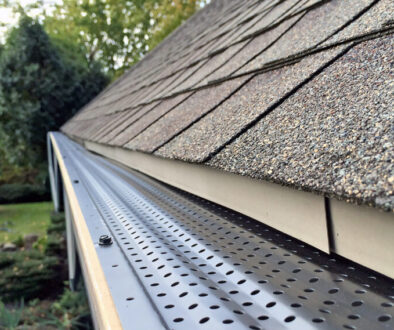
If you’re also weighing whether to invest in repairs versus upgrades, your guide on do gutter guards actually work here can help set expectations, because guards can reduce debris volume, but they won’t fix seams, pitch, or attachment issues.
Water Runs Behind The Gutter
When water runs behind the gutter, it often means the system isn’t catching runoff correctly. This can be caused by loosened attachment points, misalignment at the roof edge, or fascia issues that prevent the gutter from sitting flush.
Watch for:
-
Drip lines behind the gutter instead of from the front lip
-
Wet fascia boards after rain
-
Paint peeling or soft trim along the roof edge
This is one of the fastest ways gutter issues turn into wood issues, so it’s worth catching early—especially before fall storm season ramps up.
Standing Water Remains After Rain
Standing water is one of the clearest signs that the gutter run isn’t draining the way it should. Even if you remove debris, water can still pool if the pitch is off or a low spot has developed.
Common patterns:
-
The same section stays wet long after rainfall
-
You see a “tide line” of dirt where water sits
-
Mosquito activity increases near the problem run in warmer months
If you’re building your seasonal routine, your <fall gutter maintenance checklist is the easiest way to time inspections around leaf drop and early storms.
The Most Common Repair Causes (And What Typically Fixes Them)
Before you assume the whole gutter system needs to be replaced, it helps to know what’s actually behind most recurring issues—because the fix is often straightforward once you identify the cause. Here are the most common repair culprits, starting with one of the biggest: pitch that’s slightly off.
Pitch Is Off
What it looks like: standing water, repeated overflow at one corner
Typical fix: re-pitch the run so water drains to the outlet
Hangers Or Fasteners Have Loosened
What it looks like: sagging, pulling away from fascia, wavy sections
Typical fix: add/replace hangers and secure attachment points
Seams And End Caps Are Separating
What it looks like: seam drips, water trails during storms
Typical fix: reseal or repair seam connections
Outlet Bottlenecks
What it looks like: downspout runs weakly, clogs repeatedly
Typical fix: clear the restriction and confirm the discharge routing
When It’s Both: Cleaning First, Repair Second
In many real-world cases, the correct approach is:
- Clean the system (restore flow and remove weight)
- Observe performance during rain
- Repair the repeat failure points (pitch, hangers, seams, outlets)
Cleaning removes noise. Repair solves the recurring pattern.
Repair vs. Replacement: When Is It Not Worth Fixing?
Repairs often make sense when failure is localized. Replacement becomes more likely when problems stack:
- multiple low spots along the run
- recurring seam leaks in several locations
- widespread corrosion or cracking
- gutters pulling away along long sections
- fascia deterioration behind the gutter line
If you’re budgeting the next step, it helps to know baseline pricing for maintenance and how it scales. Here’s your local guide to gutter cleaning costs in Southern Oregon.
What To Do Next (A Simple, Safe Checklist)
- During rainfall, confirm each downspout is discharging normally
- After storms, look for one repeat “problem corner”
- Check for standing water once rain stops (from the ground if possible)
- If overflow repeats after a cleanout, assume repair is involved
- Use a seasonal check rhythm so small issues don’t compound
When to Call a Pro
From an inspection standpoint, cleaning is a good DIY task only when access is safe and the issue is clearly debris-related. Bring in help when the risk is higher than the payoff—or when you need someone to diagnose the underlying cause quickly.
- Steep roofs, second stories, or unsafe ladder conditions (this is where most injuries happen)
- Gutters are pulling away, sagging, or the fascia feels soft (repairs can expose rot behind the gutter line)
- Overflow repeats in the same spot after a full cleanout (pitch, valley volume, undersizing, or outlet restriction)
- Water is getting behind the gutter (alignment, drip edge, or attachment issues)
- Downspouts “burp” or back up and you suspect a buried line, crushed section, or hidden clog
- You want documentation (photos + notes) for insurance or future resale questions
Final Field Note
If you’re stuck between “cleaning” and “repair,” here’s the simplest rule: cleaning fixes what’s blocking water; repair fixes what’s misdirecting water. If the problem disappears immediately after a thorough cleanout, it was likely flow restriction. If the same corner fails again (even with clear gutters), you’re looking at pitch, attachment, seams, or an outlet bottleneck—and that’s a repair signal.
FAQs
-
If a cleanout restores flow and overflow stops, it was likely debris. If problems repeat in the same spot—standing water, sagging, or persistent seam drips—repair is more likely.
-
Repeat overflow often points to pitch problems, sagging sections, or outlet restrictions. If it’s always the same corner, it’s usually a structural or alignment issue.
-
Not usually. Seam dripping is often caused by separation, failed sealant, or movement over time. Cleaning won’t fix a seam that no longer seals.
-
Loose hangers, excess weight from debris and water, and fascia deterioration are common culprits. Once gutters start pulling away, repairs should happen sooner rather than later.
-
Replacement becomes more likely when multiple sections fail at once—widespread corrosion, repeated leaks, chronic overflow across several areas, or gutters pulling away along long runs.