Gutter Overflow Damage (Fascia Rot vs. Siding Stains vs. Foundation Splash)
Key Takeaways
- Fascia rot is the most expensive “silent” outcome because it can spread behind trim and into roof edges.
- Siding stains are often cosmetic at first—but they can signal recurring overflow that eventually damages paint, sheathing, or windows.
- Foundation splash is a drainage problem that can lead to settlement, crawlspace moisture, and basement leaks over time.
- The pattern of staining/erosion tells you where the water is going (behind gutters, down the wall, or straight to the ground).
- Fixes usually start with cleaning + correcting slope/downspout discharge, not immediately replacing materials.
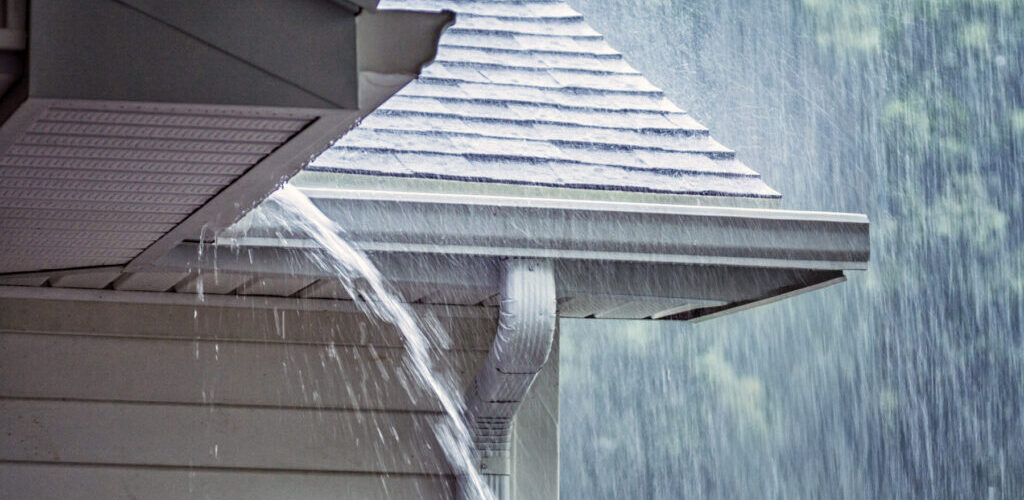
Gutter overflow is one of those issues that looks “minor” until you follow the water and realize it’s been working the same spot for months (or years). From an inspector’s point of view, the key isn’t just that the gutter overflowed—it’s where the water went next.
Overflow typically shows up in three common damage lanes:
- Fascia/roof-edge rot (water trapped at the roofline)
- Siding stains (water running down the exterior)
- Foundation splash (water dumped at the base of the home)
Let’s break down what each one looks like, how serious it is, and what to do first.
When you know what to look for, the damage pattern usually tells you the cause in under a minute.
You’re not guessing — you’re reading where the water is exiting and what it’s hitting first.
Why Gutters Overflow in the First Place (Quick Overview)
Overflow usually comes from one (or a combination) of these:
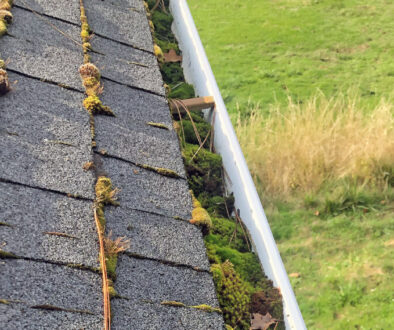
- Clogs (needles, moss, roof grit, leaves, shingle granules)
- Incorrect pitch (gutters not sloped correctly toward downspouts)
- Undersized system (common on steep roofs or long runs with few downspouts)
- Valley dumps (roof valleys funneling too much water into one spot)
- Blocked or crushed downspouts
- Bad drip edge / gutter placement (water skips the gutter and wets fascia — often a drip edge / gutter apron issue)
Most of these causes come back to upkeep and simple system design—if you want the bigger picture, start with our gutter maintenance guide for Southern Oregon.
1) Fascia Rot
What it is: The fascia is the board behind the gutter. When overflow happens repeatedly—or water sits in the gutter because it can’t drain—moisture gets trapped against the wood. Over time, the fascia softens, paint peels, fasteners loosen, and rot spreads.
What it looks like (inspector clues):
- Wavy or sagging gutter lines
- Peeling paint or swollen wood behind/under the gutter
- Rusted fasteners, pulling nails, or loose hangers
- Dark streaking right along the roof edge (not just down the wall)
- Soft spots when gently pressed (don’t poke hard—just a light check)
Why it’s serious: Once fascia starts failing, you can end up with:
- Gutters detaching
- Water getting behind the gutter and into soffits
- Rot migrating into roof-edge components
Overflow that wets the roof edge doesn’t always stay “at the gutter”—it often shows up later as soffit problems, especially when water gets behind the gutter line.
First fixes that usually matter most:
- Clean the gutter + downspouts thoroughly
- Correct pitch (so water doesn’t sit)
- Add/relocate downspouts where roof valleys dump volume
- Confirm drip edge/gutter alignment (water should land in the gutter)
2) Siding Stains
What it is: When gutters overflow at the front lip, water sheets down the siding. This commonly leaves vertical streaks and “tiger striping.”
What it looks like:
- Vertical dark streaks below the gutter line
- Green algae bands in shaded areas
- Dirt “wash lines” that reappear after cleaning
- Localized staining under a valley, upper roof edge, or overflowing corner
Why it matters:Stains are usually cosmetic at first. But they’re a recurring-water indicator. Over time, repeated wetting can contribute to:
- Paint failure
- Swollen trim
- Window/door casing deterioration
- Moisture intrusion at seams (depending on siding type and installation)
Simple test: Look above the stain. If the staining starts exactly under a seam, end cap, or corner, that’s often an overflow point (or a leaking joint), not random grime.
And if overflow keeps repeating, it usually isn’t just a cosmetic issue—here’s what can happen when you don’t clean your gutters for long stretches.
3) Foundation Splash
What it is: Overflow dumps roof runoff straight to the ground at the base of the house. Instead of controlled discharge, you get splashback, erosion, and saturation along the perimeter.
What it looks like:
- Mud splash marks on the lowest siding/trim
- Washed-out mulch or bare soil trenches
- Settled walkway edges or eroded corners
- Efflorescence on concrete/masonry (white mineral deposits)
- Persistent crawlspace dampness or musty odor near the affected side
Why it’s serious (long-term):
- Soil saturation can contribute to crawlspace moisture, pests, and wood decay
- In some sites, repeated saturation can contribute to movement/settlement
- Water near the foundation increases the odds of leaks through cracks or joints
The biggest tell: If the area under one gutter run is always “different” (muddier, greener, eroded), that’s not normal. That’s roof water being dumped where it shouldn’t be.
One more thing homeowners miss: recurring overflow plus visible water damage can complicate claim conversations, which is why it helps to understand how clogged gutters can affect homeowners’ insurance when damage starts looking “gradual.”
How to Tell Which Problem You Have (Fast Field Checklist)
If I’m walking a property, here’s how I sort it quickly:
Likely Fascia Rot When You See…
- Sagging gutters + peeling/swollen fascia paint
- Overflow marks at the roofline
- Loose hangers or separation between gutter and fascia
Likely Siding Stain When You See…
- Vertical streaks that start right below the gutter lip
- Clean siding elsewhere, but repeat staining in the same runs
- No obvious ground erosion below (water is sheeting, not dumping)
Likely Foundation Splash When You See…
- Eroded soil lines, splash marks low on the wall
- Consistently wet perimeter areas
- Downspouts that terminate too close to the home (or missing extensions)
What Southern Oregon Homeowners Should Do First (In the Right Order)
Before you start replacing boards or repainting trim, take 60 seconds to confirm what you’re actually dealing with. From an inspection standpoint, the fix is almost always clearer once you know whether the water is spilling over the front edge or escaping at a joint—because those are two different problems with two different solutions.
Step 1: Confirm It’s Overflow (Not Just a Leaky Seam)
Overflow usually leaves a broad “wet line” and repeated streaking. Leaks at seams/end caps are more localized and drip-like.
Step 2: Clear the System Completely
Clear the trough, then confirm the downspout actually moves water. If a section overflows now, assume it’ll overflow again during the next needle drop or first heavy fall storms unless the system is flowing end-to-end. A quick hose test tells you more than a ladder glance.
Step 3: Fix Discharge at the Ground
Even perfect gutters don’t help if downspouts dump water right at the foundation:
- Add extensions
- Redirect to a safe discharge point
- Keep runoff away from walkways and slopes that funnel water back
If you’re not sure what “good” discharge looks like in this region, start with downspouts & drainage in Southern Oregon.
Step 4: Address Damaged Materials Last
Once the water behavior is fixed, then:
- Replace rotted fascia sections (and verify what’s behind them)
- Clean/treat siding staining (and repaint if needed)
- Regrade/repair eroded areas near the foundation
Prevention That Actually Works (Without Overcomplicating It)
- Clean on a Southern Oregon rhythm/strong> (especially after heavy leaf/needle drop)
- Add downspouts where roof valleys concentrate flow
- Check gutter pitch (standing water = future overflow)
- Keep roof debris from becoming gutter debris (trim overhang, manage moss/needles)
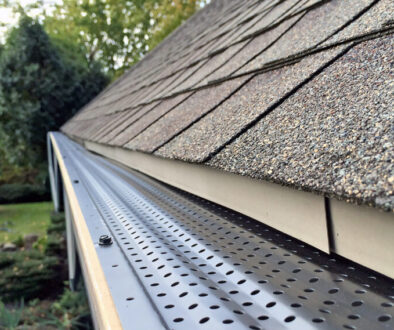
- If you’re considering guards, position it as: “They can help in the right setups, but they don’t eliminate maintenance.”
If you’re weighing guard options, here’s a realistic breakdown of whether gutter guards work in Southern Oregon—and when they actually help.
When It’s a Red Flag
Most overflow problems are fixable with cleaning and a few corrections. But these signs usually mean water is affecting materials or the structure—and it’s time to take it more seriously.
- Soft or spongy fascia/trim or gutters pulling away from the roof edge
- Recurring overflow in the same exact spot even after a full cleanout
- Water getting behind the gutter line (wet soffits, drips at the eaves, staining that starts at the roof edge)
- Persistent wet soil at the foundation or visible erosion/trenching after storms
- Interior signs (repeated ceiling/wall staining, musty crawlspace air that spikes after rain)
When to Call a Pro
From an inspection standpoint, bring someone in when the risk or uncertainty is higher than the DIY payoff.
- You suspect rot (fascia feels soft, gutters sag, fasteners won’t hold)
- Steep pitch or brittle roofing makes access unsafe
- Overflow persists after cleaning (pitch issues, undersizing, valley dumps, hidden downspout restrictions)
- Water is saturating the foundation zone and you need a discharge/drainage plan
- You want documentation (before/after photos, inspection notes) for insurance or future resale questions
Final Field Note
If you’re choosing between fixes, follow the stain line. Roof-edge rot points to trapped water at the fascia; vertical streaks point to overflow down the wall; splash and erosion point to water dumping at the base. Control the water first—clean, restore flow, and fix discharge—then repair what it damaged.
FAQs
-
Look for sagging gutters, peeling/swollen paint along the roof edge, and loose hangers. If the gutter line bows or feels unstable, assume moisture has been sitting there and inspect more closely.
-
Often they start cosmetic, but they’re proof that water is repeatedly running down the wall. If stains keep returning, treat it as a drainage/overflow issue first, then clean or repaint.
-
It can. Repeated overflow saturates soil at the perimeter, which increases crawlspace moisture risk and can contribute to long-term movement in certain soil and drainage conditions.
-
Start with a full cleanout and confirm downspouts are flowing. If overflow happens only at one spot, check for a valley dump, a low section holding water, or a partially blocked downspout.
-
Fix the water behavior first. Otherwise you’re repairing fascia, repainting siding, or regrading soil while the same overflow keeps happening.