
Gutters(Maintenance, Overflow, and Where Water Should Go)
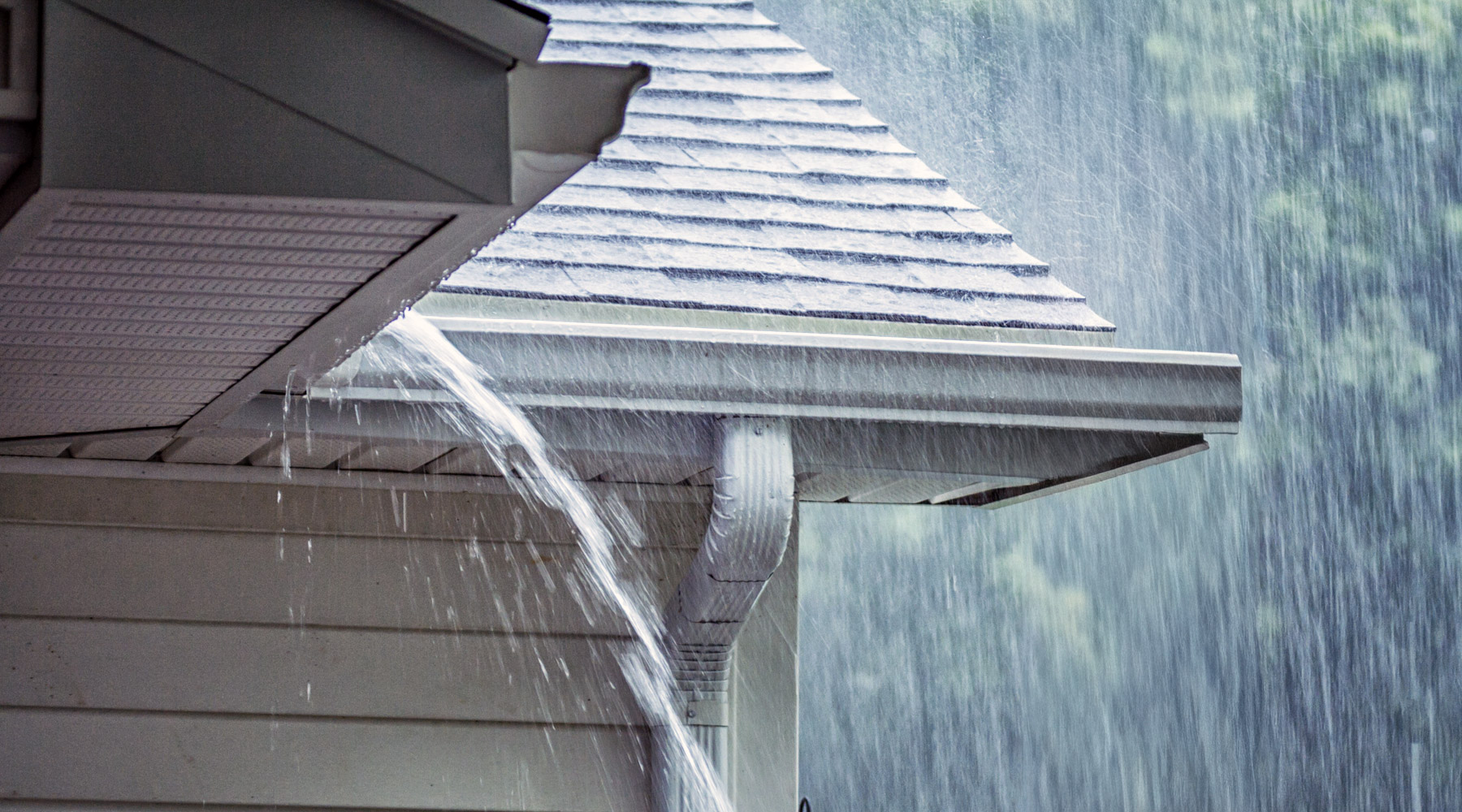
Gutters are simple, but the failure modes aren’t. Most “gutter problems” are really water-routing problems — overflow, fascia rot, foundation splash, crawlspace moisture, or downspout discharge that never should have been aimed at the house.
This hub is designed to help you diagnose what’s happening, prioritize the right fix, and avoid spending money on the wrong solution (especially when the real issue is downspout routing, pitch, or a hidden clog).
Need Local Help?
Recommended Reading
If you only read a few things, start with these.


What “Functional Gutters” Means (and What Most Homeowners Miss)
Functional gutters aren’t just “clean.” They’re routing water predictably:
- Gutters are pitched correctly (water moves to outlets)
- Downspouts aren’t bottlenecked (no slow-drain backups)
- Water discharges far enough away (no foundation splash zone)
- Fascia/soffit edges stay dry (no backflow behind gutters)
- Extensions or drains don’t create a new clog point underground
If you want a plain-English overview of where water should go and the common failure points, start here: Downspouts & Drainage: Where Should Water Actually Go?
Cleaning vs Repair(How to Tell Which One You Need)
- Cleaning fixes clogs and flow
- Repair fixes pitch, joints, separation, outlet issues, and fascia interaction
- Repeated overflow in the same spot is often a repair clue, not a cleaning clue

Don’t Panic (If You’re Worried About Insurance or Selling)
Gutters rarely “fail catastrophically,” but the damage they cause can.
If you’re selling or dealing with an insurance inspection, focus on visible condition + documentation: clean flow, no staining trails, no active overflow points, and photos after rain if you can capture them.
Should You Clean Gutters Before Selling Your Home?
Can Clogged Gutters Affect Your Homeowners’ Insurance?

Find Local Help (in Oregon)
If you’d rather not guess, these pages explain what to ask and how to avoid “quick fixes” that don’t solve routing problems:
Find Gutter Help (Oregon) – Coming Soon
Find Gutter Help (Southern Oregon)
FAQs
-
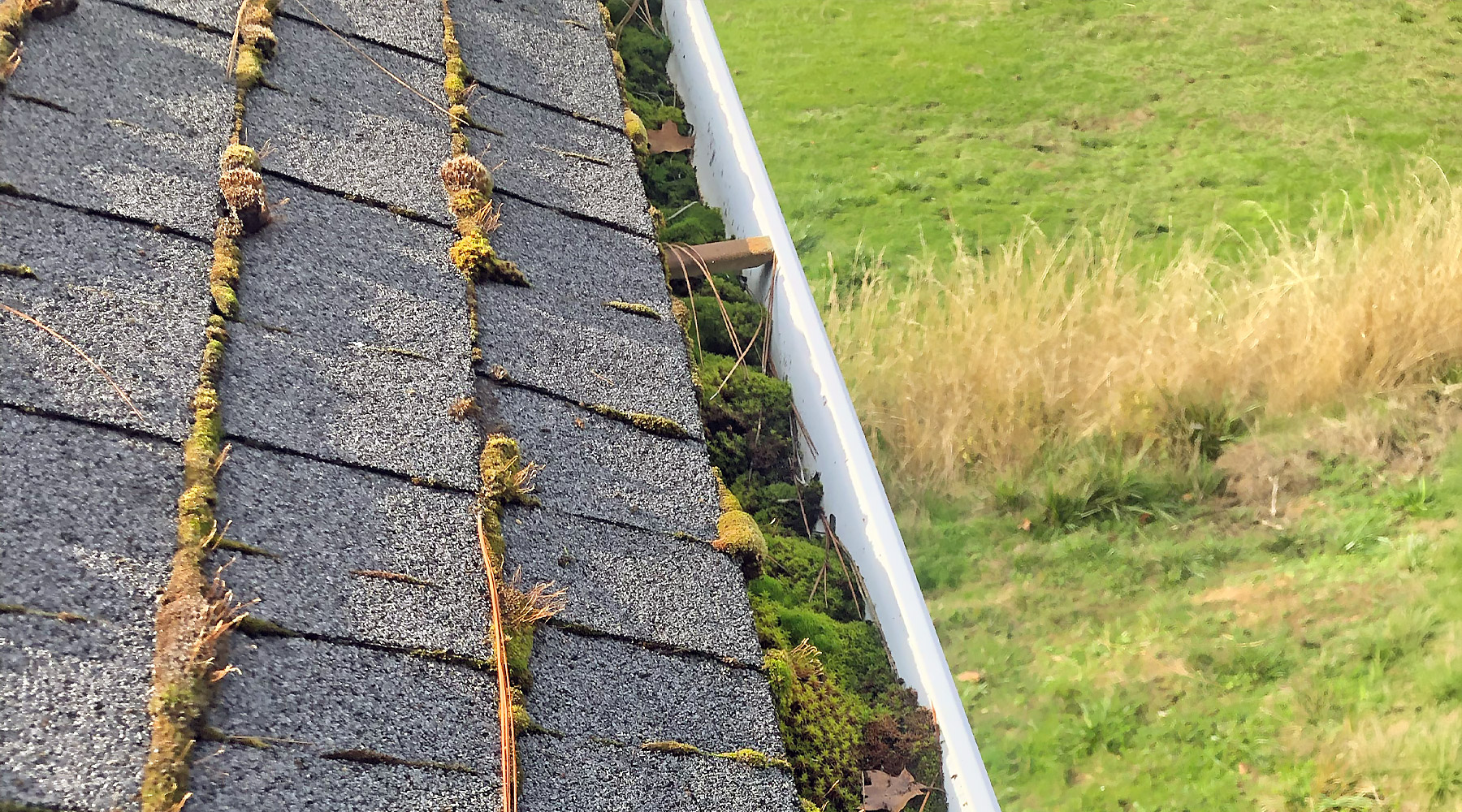
Most homes do best with at least one cleaning per year, but the real driver is debris load (trees) and how quickly gutters refill. If your home is under canopy or you see clogs during fall/winter storms, plan on two cleanings per year and spot checks after major wind events.
-
Overflow after cleaning usually means the problem isn’t “just debris.” Common causes include improper pitch, an undersized or clogged downspout, a blocked underground drain line, or water shooting past the gutter during heavy rain (often from roof edges or fast runoff zones). If overflow happens in the same spot every storm, it’s often a setup/repair issue, not a cleaning issue.
-
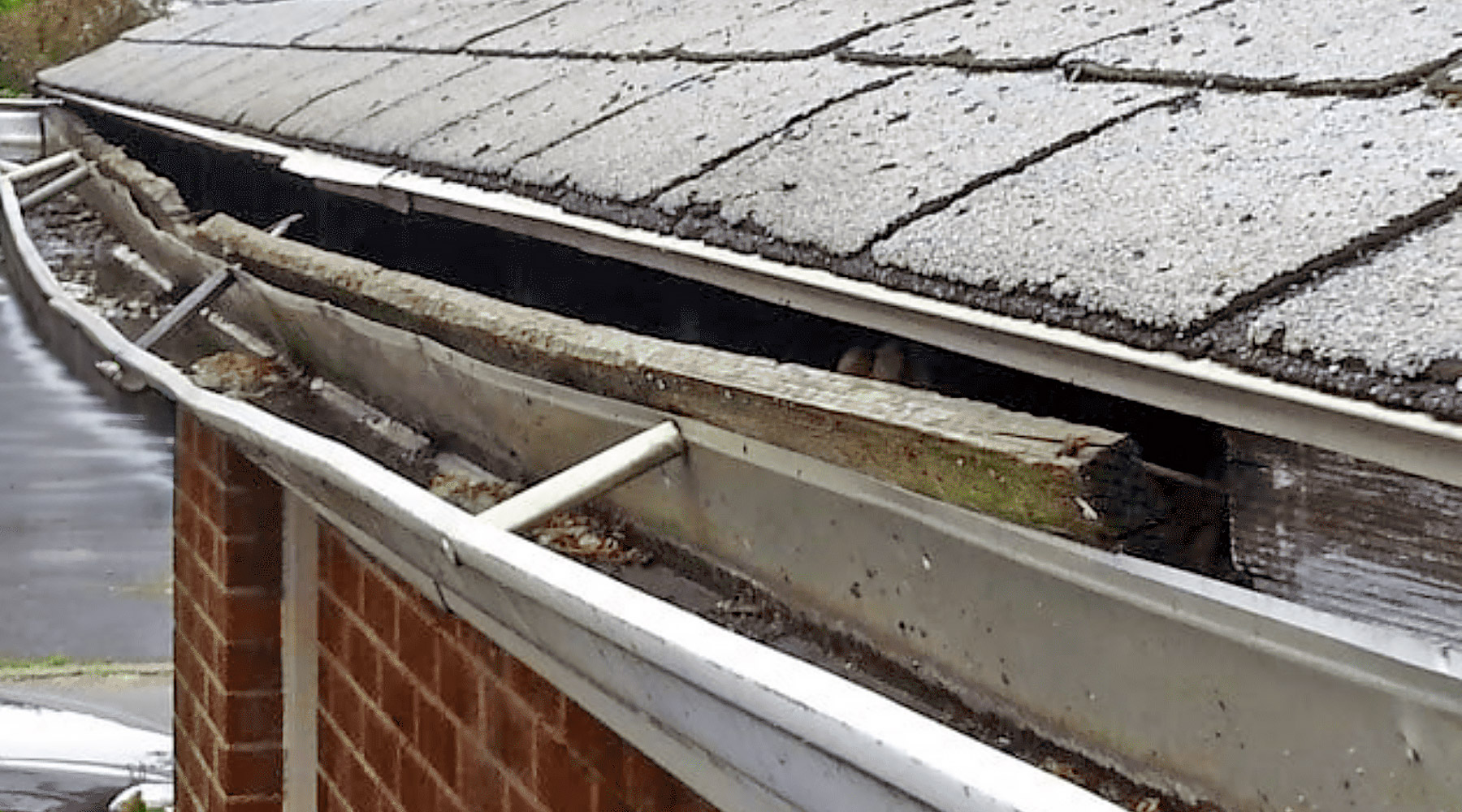
Cleaning helps when water can’t flow because of debris. Repair is more likely when you see sagging sections, standing water in the gutter, separation at seams, leaks at corners/outlets, or recurring overflow at the same location. If the gutter looks clean but still spills during rain, it’s a strong sign you need a pitch/outlet/fastener fix.
-
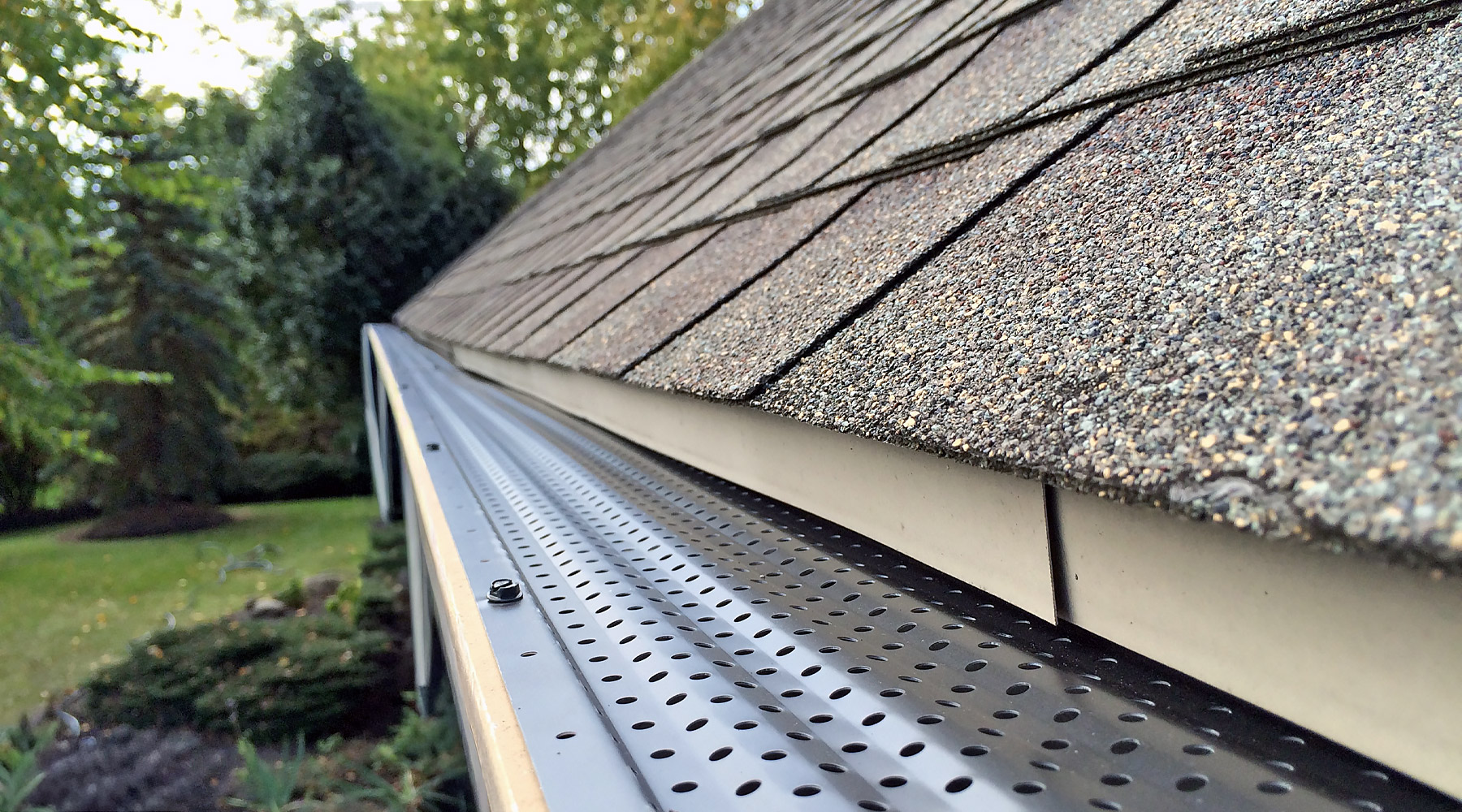
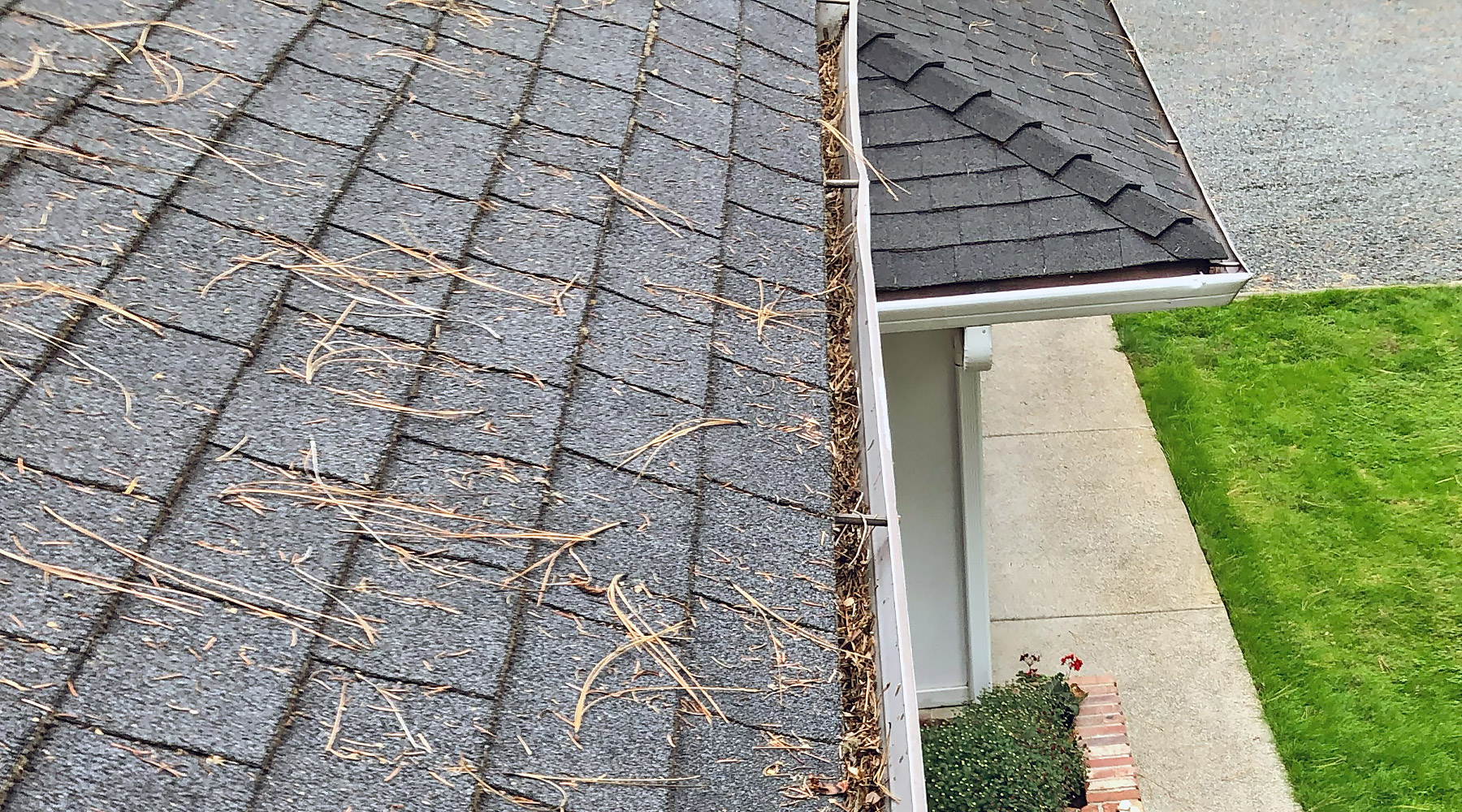
Sometimes — but they’re not a “never clean again” solution. Guards work best when debris is mostly leaves and the roof has a clean runoff path. They often struggle with pine needles, shingle grit, and small debris that still gets through and builds up. The best question isn’t “do they work?” — it’s what debris do you have and where will it accumulate?
-
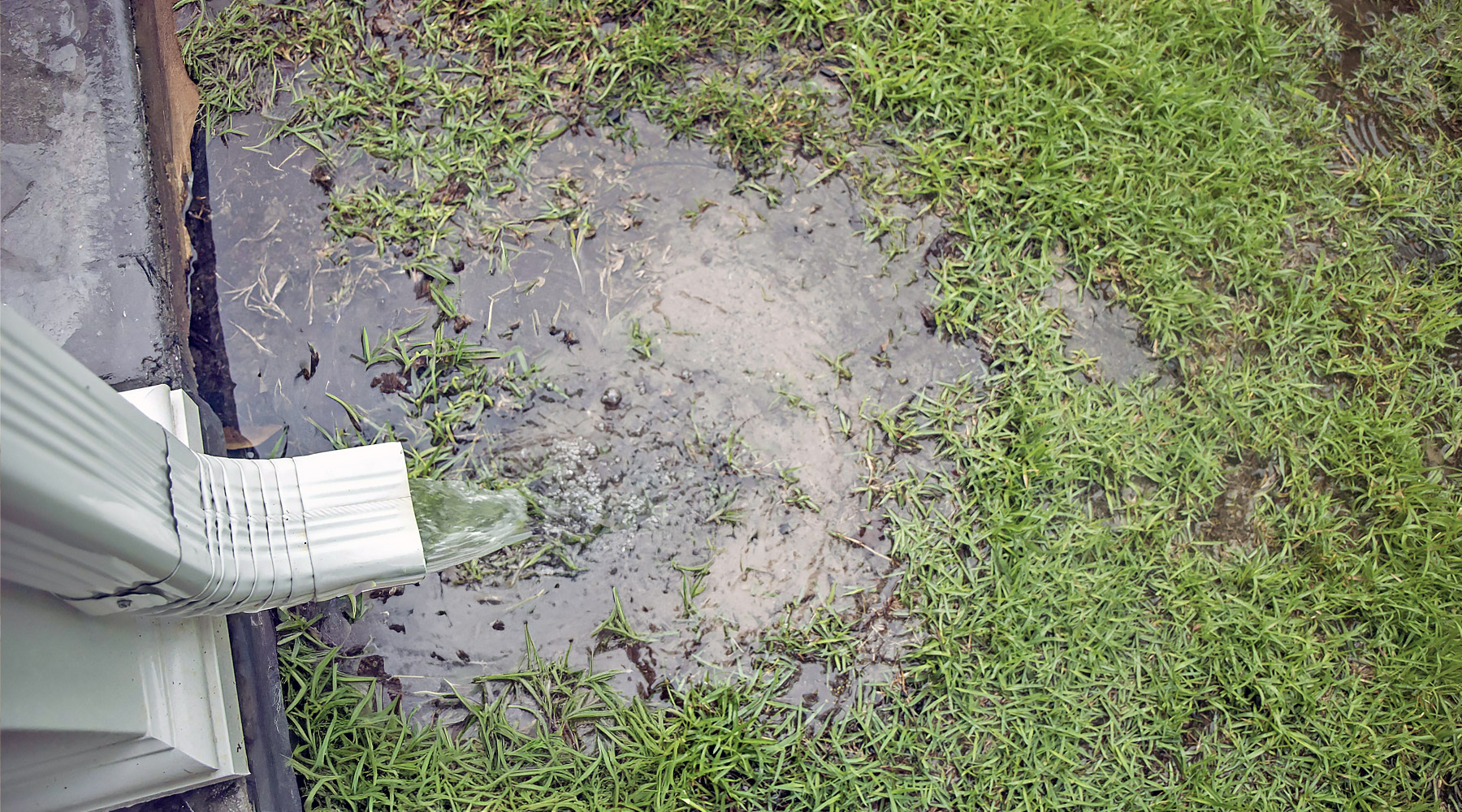
As a practical rule, discharge should reach a spot where water won’t splash back onto the foundation or re-enter the crawlspace zone. Many homes need extensions that move water several feet away — and in some cases, farther depending on slope, soil, and where water naturally wants to run. The goal is simple: water should leave the perimeter and keep moving away.
-
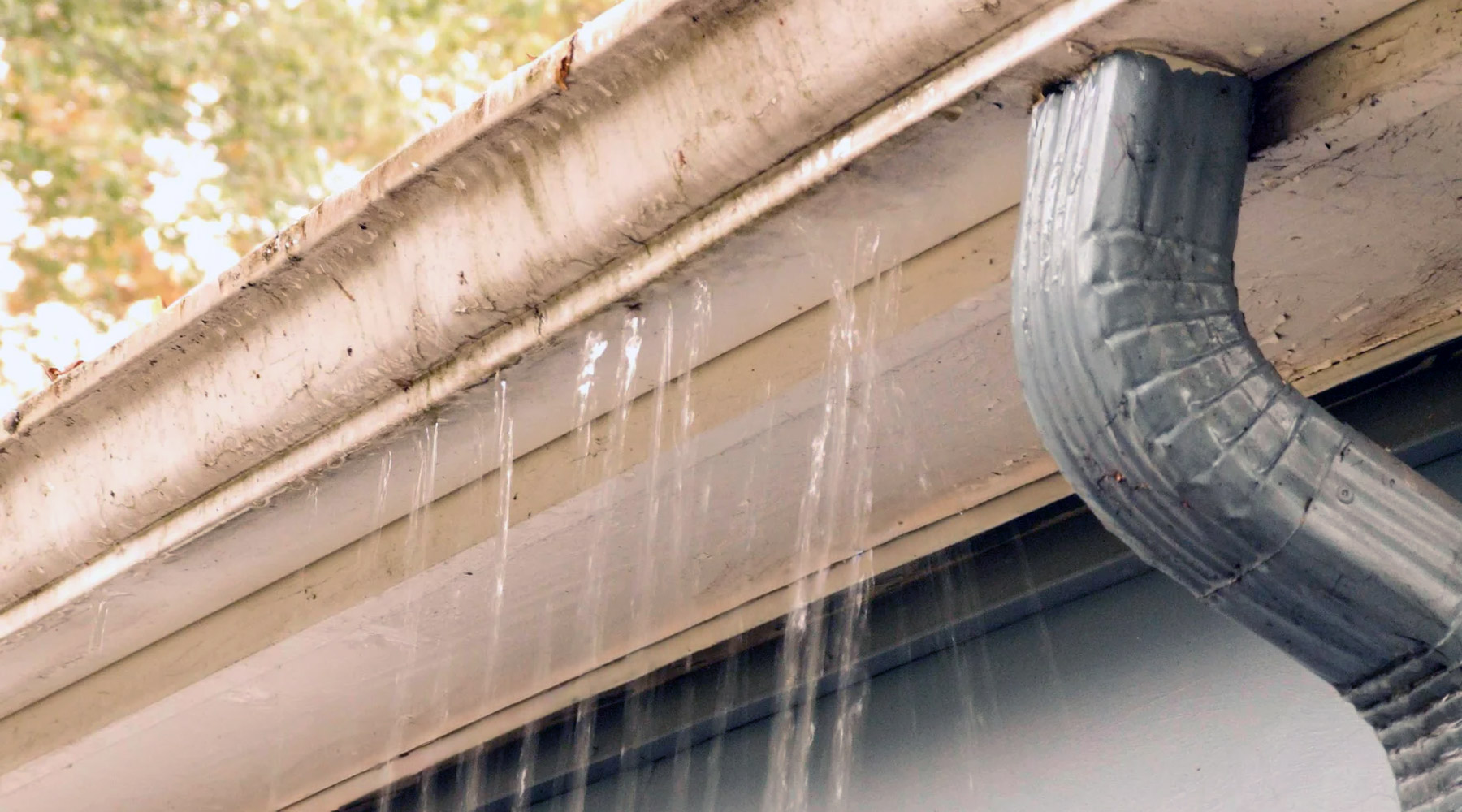
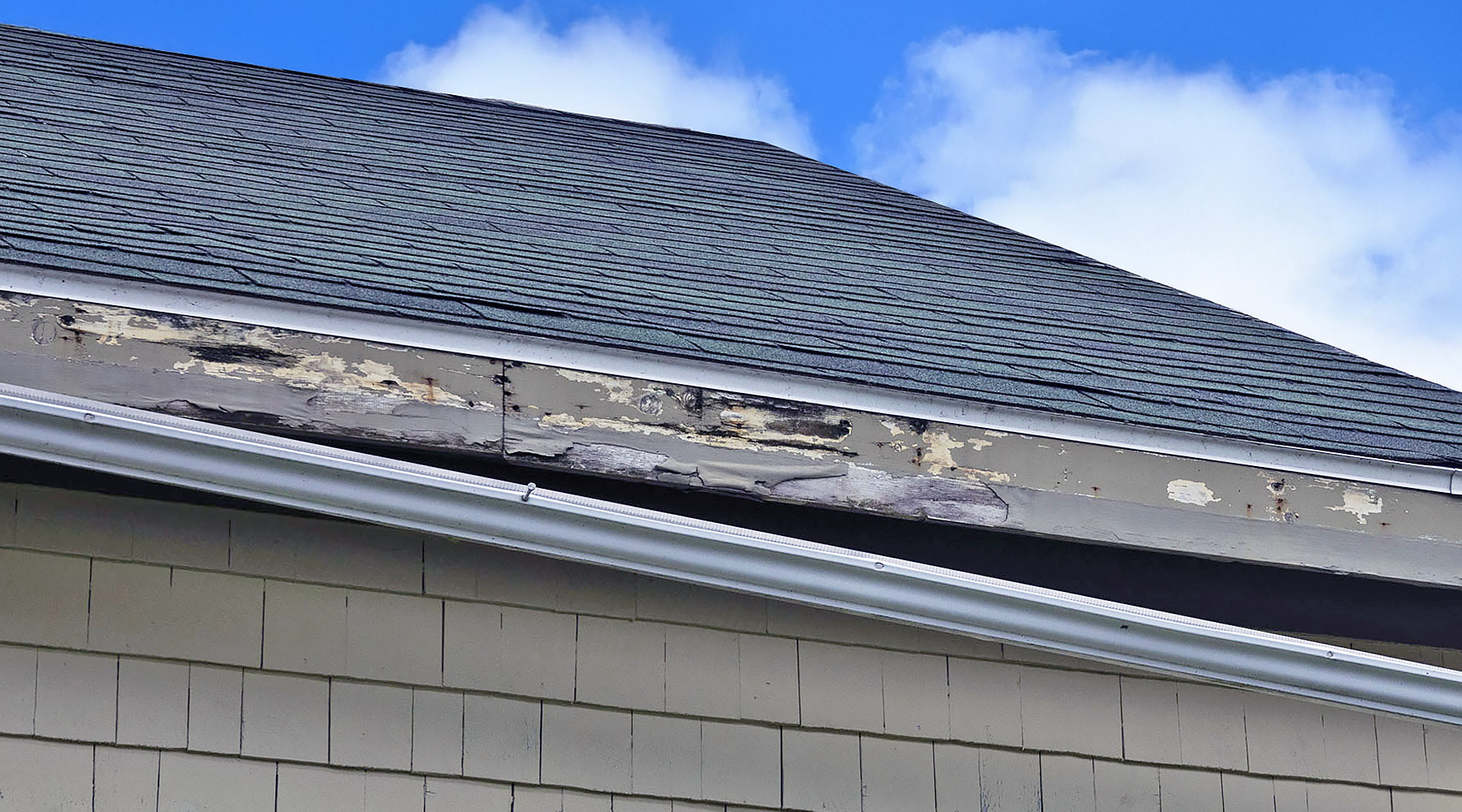
Yes. When gutters clog, water can back up behind the gutter edge, soak the fascia board, and drip onto soffits repeatedly. Over time this can lead to staining, rot, peeling paint, and soft wood, even if the roof itself isn’t leaking. Overflow is often visible from the ground, but backflow behind the gutter is easy to miss until damage shows up.
-
They can — especially when downspouts dump water next to the house or underground lines are blocked. Many “drainage problems” start with a simple issue: roof water never makes it far enough away. Before paying for drains or regrading, it’s worth confirming gutters are flowing correctly and downspouts are discharging to a safe location.