Dry Wells in Southern Oregon: When They Work (and When They Don’t)
A dry well is an underground infiltration system designed to receive stormwater (often roof runoff) and let it soak into the surrounding soil over time. It can be a clean solution for the right site—but it’s not a cure for poor grading, clay-heavy soils, or seasonal groundwater.
In Southern Oregon, results vary dramatically by neighborhood because infiltration depends on soil structure, compaction, and how saturated the ground gets in winter—so two homes a mile apart can behave completely differently.
This guide helps you decide when a dry well is a smart tool, when it becomes a repeat problem, and what to check before you dig.
Key Takeaways
-
Dry wells can work well for clean roof runoff if your soil actually infiltrates and you have a safe overflow plan.
-
Most “dry well failures” happen because of bad soil (clay), bad siting (too close to the home), or no pre-filtering (they silt in).
-
If you don’t have a reliable outlet/overflow path, a dry well often becomes a buried holding tank.
-
The best approach is usually roof runoff control → downspout routing → grading → then infiltration, not the other way around.
-
In Southern Oregon, performance varies a lot by neighborhood—two homes a mile apart can behave differently.
What a Dry Well Actually Does
A dry well is an underground “infiltration chamber” meant to temporarily hold roof runoff and let it soak into the surrounding soil. It’s not a pump system, and it’s not a magic fix for a chronically wet yard.
Homeowners use “dry well” to mean a few setups (infiltration chamber, gravel pit, perforated gallery), but the success criteria is the same: clean water in, soil that infiltrates, and a safe overflow route.
Think of it like this:
- If your soil infiltrates and you’re managing roof runoff, a dry well can reduce puddling and splash.
- If your yard already struggles to absorb water, a dry well can hide the problem until it fills and backs up.
When Dry Wells Usually Work in Southern Oregon
Dry wells tend to perform best when all of the following are true:
1) The water source is mostly roof runoff (not hillside seepage)
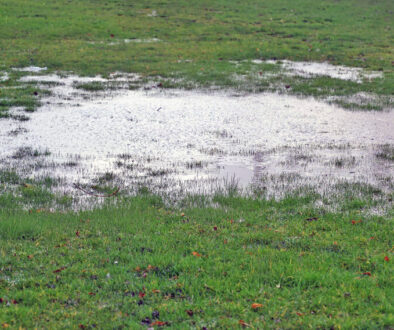
Dry wells are best for downspouts, not groundwater problems. If the wet area stays soggy 24–72 hours after the last decent rain, you may be dealing with subsurface saturation instead of a roof-runoff issue (that’s a different fix).
If you’re not sure which category you’re in, it helps to separate surface drainage vs underground drainage before you spend money on an infiltration system.
2) Your soil can actually infiltrate
If you dig and find dense clay that stays sticky/wet, infiltration is slow. In that case, dry wells fill faster than they drain.
3) You have a “clean water” situation (or you can pre-filter it)
Dry wells hate sediment. They perform better when you reduce:
- roof grit / granules
- needles and leaf fragments
- fine silt washing off hardscape
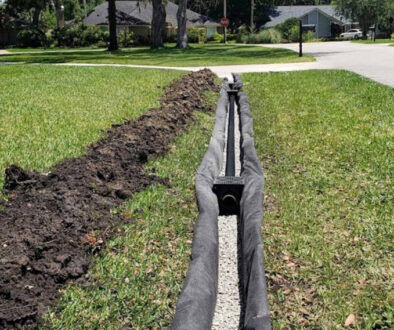
A simple pre-filter at the downspout (and keeping gutters clean) is what helps prevent the classic “it worked for a year… then failed” story.”
This is also why staying consistent with gutter maintenance in Southern Oregon is one of the simplest ways to keep a dry well from silting in early.
4) You have a real overflow plan
Even good dry wells can be overwhelmed during heavy storms. The difference between “working” and “failing” is whether overflow goes somewhere safe when capacity is exceeded.
When Dry Wells Usually Don’t Work (or Become a Repeat Problem)
Here’s the short list of “common failure setups”:
1) Clay-heavy soils or compacted fill
If infiltration is slow, the well becomes a storage tank. Water backs up, and you end up with:
- soggy soil near the home
- water returning to the downspout
- surface pooling “out of nowhere” during bigger storms
2) High seasonal groundwater or perched water
If the ground is already saturated (or groundwater rises in winter), infiltration capacity collapses. You can’t soak water into soil that’s already full.
3) No pre-filtering (the dry well silts in)
If leaf litter and roof grit are allowed into the system, the well clogs. This is the #1 “it worked, then it didn’t” story.
4) Too close to the house or installed as a foundation fix
Dry wells are not a substitute for discharging water away from the structure. If the goal is “stop foundation moisture,” your first fix is usually routing water away + correcting grading—then evaluate infiltration.
5) You’re trying to solve surface grading with a buried solution
If water is visibly flowing across the surface toward the home, that’s often a grading / hardscape pitch issue first.
The Quick Decision Test (Field-Friendly)
Use this simple logic before you plan a trench:
- If water shows up during rain and you can see it moving/pooling: start with surface drainage / grading.
- If the yard stays spongy long after rain stops: investigate subsurface saturation (interception/drainage strategy).
- If the main issue is roof water dumping and splashing at the base: start with downspout discharge, then consider a dry well only if your soil and overflow plan support it.
Rules & Permitting Note for Oregon Homeowners
In Oregon, some dry wells and similar infiltration setups can fall under Underground Injection Control (UIC) concepts, depending on design and what enters the system. Start here before you commit money to an underground solution:
- Oregon DEQ UIC overview + contacts
- UIC FAQ (plain-English)
- DEQ fact sheet: how to identify UIC-type stormwater systems
When It’s a Red Flag
Consider bringing in a pro when:
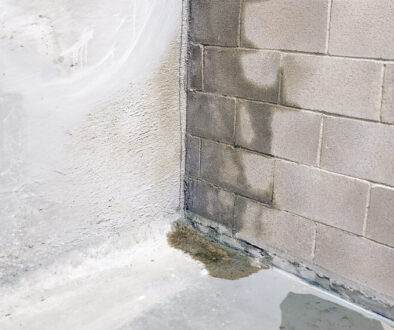
- water reaches a crawlspace, garage, or interior (active intrusion)
- you can’t identify a safe overflow/outlet
- the site involves retaining walls, slabs, or foundation-adjacent grading changes
- you suspect seasonal groundwater, hillside seepage, or persistent saturation
- you’re considering a pump system (adds failure points and maintenance)
When to Call a Pro
A dry well is a good “tool,” but it’s easy to misapply. It’s time to bring in help when:
- you need to confirm whether the problem is roof runoff vs groundwater
- you’re not sure where overflow will go during a hard storm
- the property has tight access, hardscape trenching, or multiple downspouts tying together
- you want someone to evaluate the “whole path” (roof → gutter → downspout → discharge → grade)
Final Field Note
Most drainage upgrades fail for one reason: they move water without a clear plan for where it goes during a hard storm.
Dry wells can work well for clean roof runoff when your soil can infiltrate and you have a safe overflow path when capacity is exceeded. If you’re unsure, watch your property during the next real rain: splash marks, sediment lines, and where water pools first usually tell you what the actual problem is.
FAQs
-
Yes—when roof runoff is the main source, soils infiltrate well, and the system has pre-filtering plus overflow for bigger storms.
-
Most fail from clay/slow infiltration, silt buildup, high seasonal saturation, or no overflow plan.
-
Sometimes, but many wet yards are grading or subsurface-water issues that need different fixes first.
-
Yes. Dirty gutters push grit and organic debris into the system, which accelerates clogging and shortens dry well life.
-
Usually no. The first goal is getting water away from the structure; infiltration too close can keep soil wet.