The Cost of Getting a Roof Cleaned in Southern Oregon (What Actually Impacts Price)
Key Takeaways
Roof cleaning in Southern Oregon typically ranges from several hundred dollars for light maintenance to low thousands for heavy, rooted moss.
Price depends more on roof condition, slope, and access than just square footage.
Thick moss removal costs more because it requires controlled manual work — not just treatment.
Cheap pressure washing can shorten roof lifespan and increase long-term cost.
Preventative maintenance every few years is usually far less expensive than deferred heavy removal or premature replacement.
What Does Roof Cleaning Cost in Southern Oregon?
Most homeowners want a number first.
Here’s the realistic answer:
In Southern Oregon, roof cleaning typically falls into three general tiers:
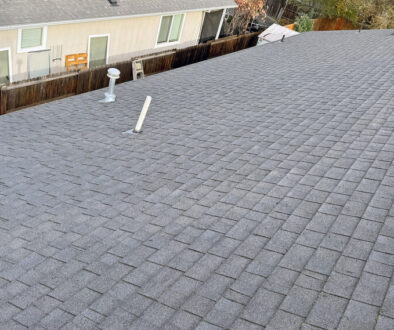
Light maintenance cleaning (thin moss / algae film):
Often several hundred dollars.
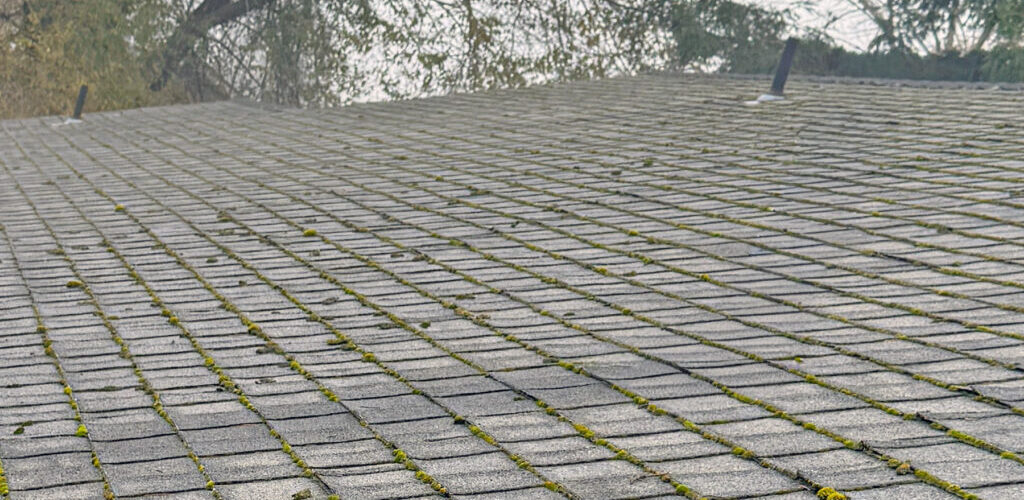
Moderate moss growth (patches, valleys, early thickening):
Usually mid-range pricing depending on size, slope, and access.
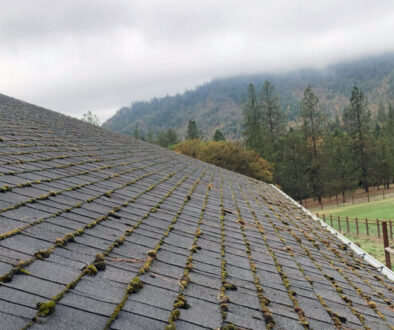
Heavy, rooted moss removal (thick mats, long-neglected roofs):
Often moves into the low thousands — especially on larger or steeper homes.
That’s not because someone is “spraying more chemicals.”
It’s because labor, risk, time, and technique increase significantly once moss becomes mechanical instead of cosmetic.
Two homes with the same square footage can have very different cleaning costs. The difference almost always comes down to condition and exposure — not just size.
Quick reality check: if your roof has thick moss mats, packed valleys, or heavy canopy debris, the job stops being “a treatment” and starts being restoration work — and pricing follows that reality.
What Actually Drives the Price?
Roof cleaning cost isn’t random. It’s driven by measurable variables.
Most reputable quotes are built from the same core inputs — even if the company’s pricing model looks different.
1. Roof Size
Larger roofs require more time, product, and setup.
But size alone doesn’t determine price. A clean, walkable roof can be straightforward even if it’s big — while a smaller roof with heavy moss can take far longer.
2. Roof Slope and Complexity
A single-story, walkable roof is very different from:
- Steep pitches
- Multi-level transitions
- Dormers and valleys
- Two-story access
Complexity increases time and safety planning. More transitions typically means more problem areas (valleys, shaded pockets, dormer sides) where moss and debris collect.
On steep roofs, the work pace slows — because it has to. A “fast” approach on a steep roof usually means corners are being cut somewhere.
3. Moss Thickness
There’s a major difference between:
- Surface growth
- Patch clusters
- Thick, rooted mats
Once moss lifts shingle edges or embeds into granules, removal becomes slower and more controlled.
Heavy moss often requires:
- Manual loosening
- Careful debris clearing
- Follow-up treatment
That’s labor-intensive work — and it should be.
Thick moss isn’t just “green stuff.” It’s a moisture-holding layer that changes how the roof dries, which is why it returns faster when removal is rushed.
4. Debris Volume
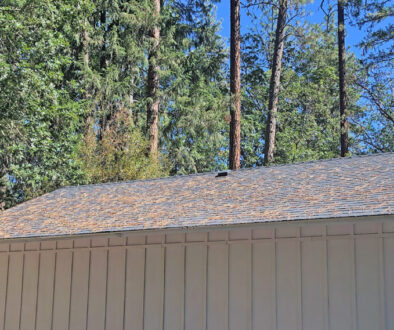
In neighborhoods with mature canopies (Ashland, Jacksonville, parts of Grants Pass, and Medford), pine needles and leaf buildup:
- Trap moisture
- Block airflow
- Accelerate regrowth
If valleys are packed, clearing that debris properly adds time.
But skipping it guarantees a faster return.
Debris is often the “hidden driver” behind cost differences. Two roofs can look equally mossy from the street — but one has heavy valley packing and one doesn’t. That one detail can change the labor requirement dramatically.
5. Access and Safety Setup
Factors that increase cost:
- Limited ladder placement
- Landscaping protection
- Power lines nearby
- Slippery metal valleys
- Insurance documentation requirements
Safe work takes planning.
Good crews also plan for controlled runoff and protection — not just for plants, but for siding, hardscapes, and anything sensitive beneath the roofline.
6. Cleaning Method Used
Not all methods cost the same.
Low-bid pressure washing is often cheaper up front — but may cost more long term.
Controlled manual removal + soft treatment typically takes longer but preserves granules.
If you’re comparing approaches, understanding the difference between methods can prevent long-term damage.
If you’re evaluating bids, it helps to ask what method is being used and why. A low number often means speed is being prioritized over preservation.
That’s not always obvious at first glance — but over a 3–5 year window, method choice affects both regrowth rate and shingle wear.
Practical tip: if a quote feels unusually low, ask one question: “How are you preventing granule loss on asphalt shingles?” The answer (or lack of one) tells you a lot.
Is Roof Cleaning Priced Per Square Foot?
Sometimes — but not always.
Some companies price by square footage. Others price by condition tier. In reality, both size and condition matter.
A lightly mossed 2,000 sq ft roof may cost less than a heavily rooted 1,600 sq ft roof that requires manual removal and debris clearing.
Square footage gives a baseline. Condition determines the real labor.
Also: “roof square footage” and “home square footage” aren’t the same thing. Multi-level homes often have a smaller footprint but a more complex roof layout — which can increase cost even if the home isn’t huge.
How to Get an Accurate Roof Cleaning Quote
What to ask:
- What method are you using — and why for my roof type?
- How do you prevent granule loss on asphalt shingles?
- Are valleys cleared and gutters checked/cleared as part of the job?
- What runoff/landscaping protection is included?
- Do you include follow-up treatment or guidance to slow regrowth?
If you want a realistic estimate, provide:
- Roof age (if known)
- Photos of moss areas (especially north-facing slopes)
- Whether insurance has requested documentation
- Any known leak or shingle concerns
Accurate information upfront usually prevents surprise pricing adjustments later.
If you’re sending photos, include:
- A wide shot of each roof plane
- Closeups of valleys and transitions
- Any areas where moss is thick enough to lift or mat
This helps you avoid the classic situation where a “ballpark quote” becomes a very different number once the crew sees packed valleys, steep pitch, or brittle shingles.
Why Cheap Quotes Can Cost More
In Southern Oregon, summer UV exposure is intense.
When protective granules are stripped (often by aggressive pressure washing), shingles age faster.
The roof may look clean today — but:
- Granule loss is permanent
- UV exposure increases
- Brittleness accelerates
The cheapest bid is rarely the most preservation-focused.
Another hidden cost is regrowth speed. A rushed “cosmetic clean” that doesn’t address debris or root structure may look great briefly — then moss returns fast, and you’re paying again sooner than you expected.
In other words: low upfront cost can turn into higher long-term cost through premature aging or repeated cleanings.
Cleaning vs Replacement: The Cost Reality
This is where perspective matters.
Roof cleaning:
Hundreds to low thousands.
Full roof replacement in Southern Oregon:
Often tens of thousands, depending on size and material.
If cleaning extends usable roof life by even a few years, the cost comparison shifts dramatically.
That’s why early intervention matters.
Cleaning doesn’t “make an old roof new,” but it can prevent moss and debris from accelerating wear. Think of it like keeping brakes maintained on a vehicle — it won’t stop aging, but it prevents avoidable damage.
Manufacturer Guidance (Worth Knowing Before You Pick a Method)
If you’re comparing quotes, it helps to know what at least one major shingle manufacturer says about cleaning methods—because “cheap” often means “aggressive.”
For example, GAF notes that using a pressure washer to rinse or clean shingles can lead to granule loss and shorten roof life.
In other words, a roof can look cleaner today and still lose its lifespan in the process.
Why this matters for price: crews that avoid high-pressure rinsing usually work slower and more carefully (controlled removal + treatment + protection), which can cost more up front—but it’s often the safer long-term play on asphalt shingles.
How Frequency Impacts Long-Term Cost
Waiting until moss becomes thick and rooted is more expensive than maintaining it early.
Homes with:
- North-facing slopes
- Heavy canopy
- Slow drying cycles
may benefit from a predictable cleaning schedule every few years.
Homes with more sun exposure may last longer.
The key is matching frequency to exposure — not guessing.
Cost principle: maintenance cleaning is usually a “contained job.” Deferred moss removal is often a “restoration job.” The longer you wait, the more likely you’ll shift into the higher tier.
When Cleaning Isn’t the Right Financial Decision
Sometimes cleaning isn’t the answer.
If shingles are:
- Severely granule-depleted
- Brittle and cracking
- Curling at edges
- Already leaking
Spending money on cleaning may not make sense.
In those cases, evaluation for replacement is more appropriate.
Condition determines cost-effectiveness.
Also, on older roofs, the “right decision” may be a lighter-touch approach: debris management, gentle treatment, or strategic mitigation — rather than aggressive removal that risks breaking brittle shingles.
The Southern Oregon Variable
Moss grows here because roofs stay damp longer, which is why roof moss grows so fast here — not because we get extreme rainfall.
That means:
- North-facing slopes cost more to maintain.
- Heavy canopy properties require more debris control.
- Timing matters.
Cleaning at the right season reduces both risk and repeat labor.
Homes in Ashland and Jacksonville often see heavier moss due to tree canopy and slower drying cycles. East Medford and more exposed areas may experience slower buildup — but UV intensity can accelerate shingle aging once granules are compromised.
Local exposure patterns affect both growth rate and cleaning frequency, which ultimately affects long-term cost.
If you want the “big picture” view of how these variables work together across the year, it helps to anchor method and timing decisions inside a broader Southern Oregon roof maintenance plan — not just a one-off cleaning.
A Practical Way to Think About Cost
Instead of asking:
“What’s the cheapest way to make it look clean?”
A better question is:
“What preserves the roof system at the lowest lifetime cost?”
Roof maintenance isn’t about appearance.
It’s about slowing predictable aging.
In Southern Oregon, that aging accelerates when moss is ignored — or removed aggressively.
Good cost thinking looks like this:
- Catch it early whenever possible
- Prioritize granule preservation over speed
- Clear debris where moisture is being held
- Use a method that slows regrowth cycles
Final Perspective
Roof cleaning cost varies because roof conditions vary.
If moss is light and caught early, maintenance is typically manageable.
If it’s been years, the work becomes more technical.
Either way, the real financial comparison isn’t between two cleaning bids.
It’s between:
- Controlled preservation
- And accelerated deterioration
Understanding that difference is what protects both roof lifespan and long-term cost.
If you’re unsure which category your roof falls into — light maintenance or heavy restoration — a visual evaluation usually clarifies it quickly.
The earlier moss is addressed, the simpler and more affordable the solution tends to be.
When It’s a Red Flag
Most roof cleaning decisions are just “maintenance timing.” But a few situations move into higher-risk territory — where the wrong method (or rushed work) can create damage fast.
- Your roof is older and brittle (curling, cracking, missing granules, or edges that break easily).
- Moss is thick enough to lift shingle edges or you’re seeing heavy valley packing that holds moisture.
- You have active leaks or interior staining you’re trying to “solve” with cleaning.
- Steep pitch / multi-story access makes setup and fall protection a real factor (not optional).
- You’re seeing rot signs at roof edges (soft fascia, loose gutters, or staining that starts at the roofline).
- The quote is unusually low and the plan is vague (“we’ll just pressure wash it” without explaining shingle protection).
If any of those apply, the goal should shift from “get it clean” to avoid roof damage while reducing regrowth.
When to Call a Pro
From a field perspective, roof cleaning is one of those jobs where the “cost” is tied to risk control. If the roof is steep, moss is thick, or access is complicated, professional work isn’t just about convenience — it’s about preventing damage.
- You can’t safely access the roof (steep pitch, multiple levels, brittle surfaces, or limited ladder placement).
- Moss is rooted or matted and will require controlled manual removal — not just treatment.
- You want proof/documentation (before/after photos, condition notes, insurance-related requests).
- You’re comparing bids and need clarity on what’s included (debris clearing, valley work, gutter clearing, runoff protection, post-treatment).
- The roof has existing wear and you want a “preserve first” approach instead of an aggressive clean.
Simple bid filter: ask each company how they protect shingles (granules) and how they handle valleys + debris. If they can’t explain that clearly, you’re not comparing methods — you’re comparing risk.
Final Field Note
Roof cleaning cost makes the most sense when you treat it like preservation, not a cosmetic reset. Light maintenance is priced like maintenance. Heavy moss removal is priced like restoration — because it’s slower, riskier, and requires more controlled work.
If you’re trying to make a smart decision quickly, use this rule:
- If it’s light growth: prioritize a method that slows regrowth and protects granules.
- If it’s thick, rooted moss: prioritize controlled removal + debris clearing + follow-up treatment.
- If the roof is worn out: don’t pay for “perfect clean” — pay for the next best step (evaluation and risk reduction).
The goal isn’t to make the roof look new. It’s to keep it drying normally and avoid avoidable wear — for the lowest lifetime cost.
FAQs
-
Roof cleaning in Southern Oregon typically ranges from several hundred dollars for light maintenance to low thousands for heavy, rooted moss removal. Final pricing depends more on roof condition, slope, and access than square footage alone.
-
Roof cleaning is sometimes priced per square foot, but most companies adjust pricing based on roof condition and complexity. A smaller roof with thick moss can cost more than a larger roof with light growth.
-
Roof cleaning costs increase with steep slopes, multi-story access, thick or rooted moss, heavy debris buildup, and safety requirements. Labor and controlled manual removal—not just treatment—are what raise pricing.
-
Pressure washing is often cheaper upfront, but it can increase long-term cost on asphalt roofs by stripping protective granules. Soft washing and controlled removal typically preserve roof lifespan better.
-
Most professional roof cleanings include moss treatment, but not all quotes are structured the same way. It’s important to confirm whether removal, treatment, debris clearing, and documentation are included.
-
In Southern Oregon, many homes benefit from cleaning every few years depending on shade and exposure. Addressing moss early is almost always less expensive than waiting for thick, rooted growth.
-
Insurance requirements can affect roof cleaning cost if documentation or specific photo angles are required. Additional documentation adds time but helps protect coverage and renewal eligibility.
-
Roof cleaning is usually worth the cost when it extends the usable life of your roof by even a few years. In Southern Oregon, early moss control often costs a fraction of premature roof replacement and helps prevent accelerated aging caused by trapped moisture and granule loss. When done with the right method, cleaning is typically a preservation expense — not just a cosmetic one.