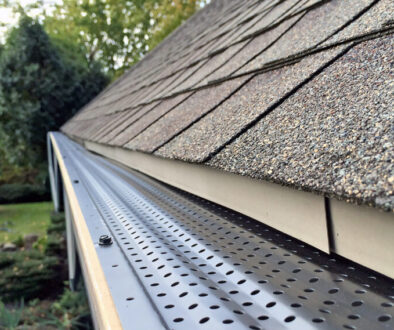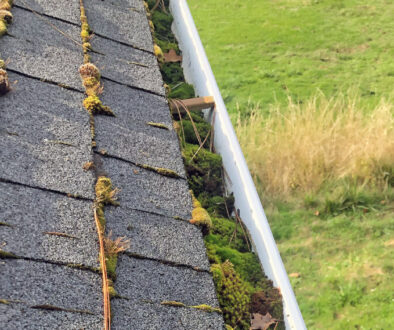
Should You Clean Your Gutters Before Selling Your Home in Southern Oregon?
Key Takeaways
Clean gutters are a quick “signal” to buyers that the home has been maintained.
Overflow stains, soggy corners, and trenching can look like bigger water or roof issues than they really are.
The best time to clean gutters is before photos, before showings, and after major leaf drop.
If gutters are leaking/sagging or pulling away, cleaning alone won’t fix it—repairs may be the better ROI.
A quick rain check (or hose test) is the fastest way to confirm everything is draining correctly.
When you’re prepping a home for sale, it’s easy to focus on paint, flooring, landscaping, and staging. Gutters rarely make the list — until a buyer notices a water stain, a soggy corner, or a gutter line that looks like it’s been neglected.
In Southern Oregon, gutters matter because our rain tends to arrive in seasonal bursts. When storms hit, your roof concentrates runoff fast — and if the gutters or downspouts aren’t moving that water correctly, the symptoms show up immediately (streaks, drips, splash marks, and wet perimeter soil).
If you’re selling, the goal isn’t “perfect gutters.” It’s avoiding preventable red flags during photos, showings, inspections, and buyer negotiations.
Short answer: Yes — in most cases, you should
Cleaning gutters before listing is usually a small-cost, high-upside task because:
- It improves curb appeal (especially on one-story homes where buyers can see the gutter line).
- It reduces obvious signs of water problems (overflow marks, wet fascia, messy splash zones).
- It lowers the chances of a buyer assuming “if this wasn’t maintained, what else wasn’t?”
And if your gutters still leak or overflow after cleaning, you’ve learned something important before the inspection report does.
What buyers (and inspectors) notice fast
Most buyers won’t say “those gutters are dirty,” but they will notice:
- Dark streaks under the gutter line
- Peeling paint on fascia/trim
- Drips hitting patios, entryways, or walk paths
- Eroded mulch beds or trenching near corners
- Puddling near the foundation after rain
Those things can look like roof leaks, drainage failures, or foundation issues — even when the real fix is simple.
If you want a quick reference for the bigger downstream risks, this guide explains what repeated overflow can lead to over time: What happens if you don’t clean your gutters?
When it matters most to clean gutters before selling
If you’re choosing the “best” moment, prioritize these windows:
1) Before listing photos
Photos don’t show “leaf buildup,” but they do show staining, sagging lines, and messy roof edges. Clean gutters can help the exterior look crisp and cared for.
2) Before the first wave of showings
Buyers form their impression of maintenance quickly. Clean gutters are one less thing that makes them wonder what’s been ignored.
3) Before the inspection (or repair request window)
Even a minor note like “debris in gutters” can turn into a buyer asking for credits or repairs — especially if there’s any visible overflow staining.
Cleaning vs repair: what’s worth doing before you sell?
A clean-out helps if the gutter system is basically healthy.
But if you’re seeing persistent issues, cleaning might not be enough — and in some cases, a simple repair makes the home feel far more “buttoned up.”
Cleaning is usually enough if:
- Water exits strongly at downspouts
- Overflow only happens during heavy debris periods
- The gutter line looks straight and secure
Repairs are worth considering if:
- Gutters pull away from the fascia
- Seams drip consistently
- A corner repeatedly overflows even when mostly clear
- There are obvious pitch issues or low spots
If you’re unsure which bucket you’re in, this article makes the difference clear: Signs your gutters need repair (not just cleaning)
The “sale prep” rain test (5 minutes)
You don’t need a ladder to learn a lot.
On a rainy day (or using a hose at the roof edge if safe), check:
- Downspout output
- Does each one discharge strongly?
- Is one delayed or weak?
- Corner behavior
- Any corner dumping or overflowing?
- Any dripping at seams?
- Landing zone
- Does water flow away from the home?
- Any pooling within a few feet of the foundation?
If the discharge is the issue (not the gutter itself), start here: Downspouts & drainage: where should water actually go?
What to expect cost-wise (and why buyers care)
In most cases, gutter cleaning is one of the most affordable “inspection-proofing” tasks you can do.
If you want to set expectations (and decide whether to DIY or hire it out), this breakdown is useful: The cost of gutter cleaning in Southern Oregon
A practical recommendation for sellers
If you’re selling in Southern Oregon, a simple approach works best:
- Clean gutters before listing (especially after leaf drop or if it’s been a while)
- Confirm that discharge is moving water away from the home
- Address obvious repairs if you see sagging, separation, or repeated leak points
This isn’t about perfection. It’s about removing the easy reasons for a buyer to ask for credits.
FAQs
-
Yes. It reduces visible staining, messy roof edges, and “maintenance neglect” signals in exterior shots.
-
Often, yes — especially if there’s debris visible from the ground or any sign of overflow, staining, or improper drainage.
-
Yes. Clean gutters can still create issues if downspouts dump water too close to the home or the landing zone is flat/compacted and pools.
-
Usually. It’s a relatively low-cost way to reduce buyer objections and avoid the impression that the home hasn’t been maintained.
-
Overflow stains and recurring wet corners — they can look like bigger drainage or roof problems than they actually are.